
Genus Allium in Family Amaryllidaceae
In botanical taxonomy, a genus (plural genera) is a rank used to group closely related species within a family. In the hierarchy, genus sits below family and above species.
Genera are defined by shared morphological, anatomical, and genetic characteristics (for example, features of flowers, fruits, seeds, or leaves) that indicate a close evolutionary relationship among the species they contain.
Each genus can include one or more species. Examples include Rosa (roses) and Solanum (nightshades, including tomato and eggplant).
Do you wish to read more about plant taxonomy? Click here!
Genus Description
Suggest a correction!Allium, placed in Amaryllidaceae subfamily Allioideae, comprises approximately 950 species of perennial geophytes with tuniced bulbs and characteristic onion or garlic odor. The genus is native mainly to the temperate Northern Hemisphere, with major centers in Central Asia, the Mediterranean, and western North America, and occurs from arid steppe and semi‑desert to meadow, alpine, and coastal habitats (POWO, 2024; WFO, 2024; Friesen et al., 2006). Allium sativum is the conserved type species (NABPG, 1992; IPNI, accessed 2024).
Diagnosis centers on tuniced bulbs, usually with a persistent leaf base sheath; leaves may be linear, hollow and cylindrical (as in A. fistulosum) or flat, solid, and channeled (as in A. cepa). Inflorescences are umbels subtended by 1–3 membranous spathes that often split reflexedly; flowers are six‑tepaled, with free or sometimes basally connate tepal bases, and a superior, tricarpellary ovary with axile placentation. The fruit is a loculicidal capsule with black, often angled seeds (APG IV, 2016; Nadudvari & Weiner, 2006).
Diversity and distribution are greatest in the Irano‑Turanian region and the Mediterranean basin, with secondary radiations in the Himalayas, eastern Asia, and western North America. Many species are drought‑adapted, with seasonality structured by a summer dormancy (Friesen et al., 2006).
Intrinsic biology is documented by generalist and specialist pollinators, including bees, flies, and lepidopterans, and by seed dispersal primarily by gravity, sometimes facilitated by capsule dehiscence and morphological seed traits. The base chromosome number is x=8; polyploidy, including cultivated garlic’s triploid form, is frequent (APG IV, 2016; Hirsch & Keller, 1990; Mann & Sturtevant, 1954).
Taxonomy and phylogeny recognize multiple subgenera based on recent molecular analyses, including Allium subg. Allium, subg. Cepa, subg. Polyprason, subg. Reticulatobulbosa, and subg. Buthmannia. Recircumscriptions have incorporated formerly segregate genera such as Nectaroscordum into Allium s.l. (Friesen et al., 2006; Li et al., 2020). Species boundaries remain debated in several complexes and centers of endemism, and solutions to definitional ambiguities continue to evolve with expanded sampling.
Human relevance is broad, with Allium cepa, A. fistulosum, and A. cepa var. proliferum as major vegetables; A. sativum as garlic; and many ornamentals, including A. ampeloprasum, A. moly, and ornamental Allium cultivars, cultivated globally for bulbs, cut flowers, and garden display (Messiaen & Rouamba, 2004; Rina et al., 2004).
Conservation and outlook are locally impacted by habitat loss, overharvesting, and habitat fragmentation in wild Allium flora. Filling global diversity gaps and securing ex situ resources remain priorities for future research and management (POWO, 2024; WFO, 2024; Friesen et al., 2006).
-
Allium × agarmyschicum (N.Friesen & Seregin)
-
Allium × tokaliense (Kamelin & Levichev)
-
Allium aaseae (Ownbey)
-
Allium abbasii (R.M.Fritsch)
-
Allium abramsii ((Traub) McNeal)
-
Allium acidoides (Stearn)
-
Allium aciphyllum (J.M.Xu)
-
Allium acuminatum (Hook.)
-
Allium acutiflorum (Loisel.)
-
Allium aegilicum (Tzanoud.)
-
Allium aeginiense (Brullo, Giusso & Terrasi)
-
Allium aetnense (Brullo, Pavone & Salmeri)
-
Allium affine (Ledeb.)
-
Allium afghanicum (Wendelbo)
-
Allium aflatunense (B.Fedtsch.)
-
Allium agrigentinum (Brullo & Pavone)
-
Allium akaka (S.G.Gmel. ex Schult. & Schult.f.)
1 -
Allium aksekiense (Özhatay, Koyuncu & E.Kaya)
-
Allium alabasicum (Y.Z.Zhao)
-
Allium aladaghense (Memariani & Joharchi)
-
Allium alaicum (Vved.)
-
Allium alamutense (Razyfard, Zarre & R.M.Fritsch)
-
Allium albiflorum (Omelczuk)
-
Allium albotunicatum (O.Schwarz)
-
Allium albovianum (Vved.)
-
Allium alekii (R.M.Fritsch & M.V.Agab.)
-
Allium alexandrae (Vved.)
-
Allium alexeianum (Regel)
-
Allium alibile (A.Rich.)
-
Allium alpinarii (Özhatay & Kollmann)
-
Allium altaicum (Pall.)
-
Allium altissimum (Regel)
-
Allium altoatlanticum (Seregin)
-
Allium altyncolicum (N.Friesen)
-
Allium amethystinum (Tausch)
-
Allium ampeloprasum (L.)
-
Allium amphibolum (Ledeb.)
-
Allium amplectens (Torr.)
-
Allium anacoleum (Hand.-Mazz.)
-
Allium anatolicum (Özhatay & B.Mathew)
-
Allium anceps (Kellogg)
-
Allium angolensis (Baker)
-
Allium angulosum (L.)
-
Allium anisopodium (Ledeb.)
2 -
Allium anisotepalum (Vved.)
-
Allium antalyense (Eren, Çinbilgel & Parolly)
-
Allium antiatlanticum (Emb. & Maire)
-
Allium anzalonei (Brullo, Pavone & Salmeri)
-
Allium apergii (Trigas, Iatroú & Tzanoud.)
-
Allium apolloniensis (Biel, Kit Tan & Tzanoud.)
-
Allium apulum (Brullo, Guglielmo, Pavone & Salmeri)
-
Allium archeotrichon (Brullo, Pavone & Salmeri)
-
Allium arkitense (R.M.Fritsch)
-
Allium arlgirdense (Blakelock)
-
Allium armenum (Boiss. & Kotschy)
-
Allium armerioides (Boiss.)
-
Allium aroides (Popov & Vved.)
-
Allium arsuzense (Eker & Koyuncu)
-
Allium artemisietorum (Eig & Feinbrun)
-
Allium asarense (R.M.Fritsch & Matin)
-
Allium ascalonicum (L.)
-
Allium aschersonianum (Barbey)
-
Allium asclepiadeum (Bornm.)
-
Allium asirense (B.Mathew)
-
Allium asperiflorum (Miscz. ex Grossh.)
-
Allium assadii (Seisums)
-
Allium atropurpureum (Waldst. & Kit.)
-
Allium atrorubens (S.Watson)
2 -
Allium atrosanguineum (Schrenk)
3 -
Allium atroviolaceum (Boiss.)
-
Allium aucheri (Boiss.)
-
Allium auriculatum (Kunth)
-
Allium austrodanubiense (N.Friesen & Seregin)
-
Allium austroiranicum (R.M.Fritsch)
-
Allium austrokyushuense (M.Hotta)
-
Allium austrosibiricum (N.Friesen)
-
Allium autumnale (P.H.Davis)
-
Allium autumniflorum (F.O.Khass. & Akhani)
-
Allium azaurenum (Gomb.)
-
Allium aznavense (R.M.Fritsch)
-
Allium azutavicum (Kotukhov)
-
Allium backhousianum (Regel)
-
Allium baekdusanense (Y.N.Lee)
-
Allium baeticum (Boiss.)
-
Allium bajtulinii (Bajtenov & I.I.Kamenetskaya)
-
Allium bakhtiaricum (Regel)
-
Allium balansae (Boiss.)
-
Allium balkhanicum ((R.M.Fritsch & F.O.Khass.) R.M.Fritsch)
-
Allium baluchistanicum (Wendelbo)
-
Allium barsczewskii (Lipsky)
-
Allium barthianum (Asch. & Schweinf.)
-
Allium basalticum (Fragman & R.M.Fritsch)
-
Allium bassitense (J.Thiébaut)
-
Allium baytopiorum (Kollmann & Özhatay)
-
Allium beesianum (W.W.Sm.)
-
Allium bekeczalicum (Lazkov)
-
Allium bellulum (Prokh.)
-
Allium bidentatum (Fisch. ex Prokh. & Ikonn.-Gal.)
2 -
Allium bigelovii (S.Watson)
-
Allium bilgeae (Yild.)
-
Allium bingoelense (Yild. & Kiliç)
-
Allium birkinshawii (Mouterde)
-
Allium bisceptrum (S.Watson)
-
Allium bisotunense (R.M.Fritsch)
-
Allium blandum (Wall.)
-
Allium blomfieldianum (Asch. & Schweinf.)
-
Allium boissieri (Regel)
-
Allium bolanderi (S.Watson)
2 -
Allium bornmuelleri (Hayek)
-
Allium borszczowii (Regel)
-
Allium botschantzevii (Kamelin)
-
Allium bourgeaui (Rech.f.)
3 -
Allium brachyodon (Boiss.)
-
Allium brachyscapum (Vved.)
-
Allium brachyspathum (Brullo, Pavone & Salmeri)
-
Allium bracteolatum (Wendelbo)
-
Allium brandegeei (S.Watson)
-
Allium brevicaule (Boiss. & Balansa)
-
Allium brevidens (Vved.)
2 -
Allium brevidentatum (F.Z.Li)
-
Allium brevidentiforme (Vved.)
-
Allium brevipes (Ledeb.)
-
Allium breviscapum (Stapf)
-
Allium brevistylum (S.Watson)
-
Allium brulloi (Salmeri)
-
Allium brussalisii (Tzanoud. & Kypr.)
-
Allium bucharicum (Regel)
-
Allium bungei (Boiss.)
-
Allium burjaticum (N.Friesen)
-
Allium burlewii (Davidson)
-
Allium caeruleum (Pall.)
-
Allium caesioides (Wendelbo)
-
Allium caesium (Schrenk)
-
Allium caespitosum (Siev. ex Bong. & C.A. Mey.)
-
Allium calabrum ((N.Terracc.) Brullo, Pavone & Salmeri)
-
Allium calamarophilon (Phitos & Tzanoud.)
-
Allium callidyction (C.A.Mey. ex Kunth)
-
Allium callimischon (Link)
2 -
Allium calocephalum (Wendelbo)
-
Allium calyptratum (Boiss.)
-
Allium campanulatum (S.Watson)
-
Allium canadense (L.)
5 -
Allium canariense ((Regel) N.Friesen & P.Schönfelder)
1 -
Allium candargyi (Karavok. & Tzanoud.)
-
Allium candolleanum (Albov)
-
Allium capitellatum (Boiss.)
-
Allium cappadocicum (Boiss. & Balansa)
-
Allium caput-medusae (Airy Shaw)
-
Allium cardiostemon (Fisch. & C.A.Mey.)
-
Allium carinatum (L.)
2 -
Allium carmeli (Boiss.)
-
Allium caroli-henrici (Wendelbo)
-
Allium carolinianum (Redouté)
-
Allium caspium ((Pall.) M.Bieb.)
2 -
Allium cassium (Boiss.)
-
Allium castellanense ((Garbari, Miceli & Raimondo) Brullo, Guglielmo, Pavone & Salmeri)
-
Allium cathodicarpum (Wendelbo)
-
Allium cepa (L.)
-
Allium cephalonicum (Brullo, Pavone & Salmeri)
-
Allium cernuum (Roth)
-
Allium chalcophengos (Airy Shaw)
-
Allium chalkii (Tzanoud. & Kollmann)
-
Allium chamaemoly (L.)
-
Allium chamaespathum (Boiss.)
-
Allium chamarense (M.M.Ivanova)
-
Allium changduense (J.M.Xu)
-
Allium chienchuanense (J.M.Xu)
-
Allium chinense (G.Don)
-
Allium chitralicum (F.T.Wang & Tang)
-
Allium chiwui (F.T.Wang & Tang)
-
Allium chloranthum (Boiss.)
-
Allium chloroneurum (Boiss.)
-
Allium chlorotepalum (R.M.Fritsch & M.Jaeger)
-
Allium chodsa-bakirganicum (Gaffarov & Turak.)
-
Allium choriotepalum (Wendelbo)
-
Allium chorkessaricum (F.O.Khass. & Tojibaev)
-
Allium chrysantherum (Boiss. & Reut.)
-
Allium chrysanthum (Regel)
-
Allium chrysocephalum (Regel)
-
Allium chychkanense (R.M.Fritsch)
-
Allium circassicum (Kolak.)
-
Allium circinatum (Sieber)
1 -
Allium circumflexum (Wendelbo)
-
Allium cisferganense (R.M.Fritsch)
-
Allium cithaeronis (Bogdanovic, C.Brullo, Brullo, Giusso, Musarella & Salmeri)
-
Allium clathratum (Ledeb.)
-
Allium clausum (Vved.)
-
Allium clivorum (R.M.Fritsch)
-
Allium colchicifolium (Boiss.)
-
Allium columbianum ((Ownbey & Mingrone) P.M.Peterson, Annable & Rieseberg)
-
Allium commutatum (Guss.)
-
Allium condensatum (Turcz.)
-
Allium confragosum (Vved.)
-
Allium consanguineum (Kunth)
-
Allium constrictum ((Ownbey & Mingrone) P.M.Peterson, Annable & Rieseberg)
-
Allium convallarioides (Grossh.)
-
Allium cornutum (Clementi)
-
Allium corsicum (Jauzein, J.-M.Tison, Deschâtres & H.Couderc)
-
Allium coryi (M.E.Jones)
-
Allium costatovaginatum (Kamelin & Levichev)
-
Allium crameri (Asch. & Boiss.)
-
Allium cratericola (Eastw.)
-
Allium crenulatum (Wiegand)
-
Allium cretaceum (N.Friesen & Seregin)
-
Allium crispum (Greene)
-
Allium cristophii (Trautv.)
2 -
Allium croaticum (Bogdanovic, Brullo, Mitic & Salmeri)
-
Allium crystallinum (Vved.)
-
Allium cucullatum (Wendelbo)
-
Allium cupani (Raf.)
3 -
Allium cupanii (Raf.)
-
Allium cupuliferum (Regel)
2 -
Allium curtum (Boiss. & Gaill.)
2 -
Allium cuthbertii (Small)
-
Allium cyaneum (Regel)
-
Allium cyathophorum (Bureau & Franch.)
-
Allium cyprium (Brullo, Pavone & Salmeri)
1 -
Allium cyrilli (Ten.)
3 -
Allium czelghauricum (Bordz.)
-
Allium daghestanicum (Grossh.)
-
Allium damascenum (Feinbrun)
-
Allium daninianum (Brullo, Pavone & Salmeri)
-
Allium darwasicum (Regel)
-
Allium dasyphyllum (Vved.)
-
Allium decaisnei (C.Presl)
-
Allium deciduum (Özhatay & Kollmann)
-
Allium decipiens (Fisch. ex Schult. & Schult.f.)
2 -
Allium decoratum (Turginov & Tojibaev)
-
Allium delicatulum (Siev. ex Schult. & Schult.f.)
-
Allium dentigerum (Prokh.)
-
Allium denudatum (Redouté)
-
Allium derderianum (Regel)
-
Allium deserti-syriaci (Feinbrun)
-
Allium desertorum (Forssk.)
-
Allium diabolense ((Ownbey & Aase ex Traub) McNeal)
-
Allium dichlamydeum (Greene)
-
Allium dictuon (H.St.John)
-
Allium dictyoprasum (C.A.Mey. ex Kunth)
-
Allium dictyoscordum (Vved.)
-
Allium dilatatum (Zahar.)
-
Allium dinsmorei (Rech.f.)
-
Allium diomedeum (Brullo, Guglielmo, Pavone & Salmeri)
-
Allium dirphianum (Brullo, Guglielmo, Pavone, Salmeri & Terrasi)
-
Allium djimilense (Boiss. ex Regel)
-
Allium dodecadontum (Vved.)
-
Allium dodecanesi (Karavok. & Tzanoud.)
-
Allium dolichomischum (Vved.)
-
Allium dolichostylum (Vved.)
-
Allium dolichovaginatum (R.M.Fritsch)
-
Allium douglasii (Hook.)
-
Allium drepanophyllum (Vved.)
-
Allium drobovi (Vved.)
-
Allium drummondii (Regel)
-
Allium drusorum (Feinbrun)
-
Allium dshungaricum (Vved.)
-
Allium dumetorum (Feinbrun & Szel.)
-
Allium durangoense (Traub)
-
Allium dyctioprasum (C.A.Mey. ex Kunth)
-
Allium ebusitanum (Font Quer)
-
Allium eduardi (Stearn ex Airy Shaw)
-
Allium efeae (Özhatay & I.Genç)
-
Allium egorovae (M.V.Agab. & Ogan.)
-
Allium ekeri (E.Kaya & Koçyigit)
-
Allium ekimianum (Eksi, Koyuncu & Özkan)
-
Allium elburzense (Wendelbo)
-
Allium eldivanense (Özhatay)
-
Allium elegans (Drobow)
-
Allium elegantulum (Kitag.)
-
Allium ellisii (Hook.f.)
-
Allium elmaliense (Deniz & Sümbül)
-
Allium elmendorfii (M.E.Jones ex Ownbey)
-
Allium enginii (Özhatay & B.Mathew)
-
Allium erdelii (Zucc.)
-
Allium eremoprasum (Vved.)
-
Allium ericetorum (Thore)
-
Allium eriocoleum (Vved.)
-
Allium ertugrulii (Demir. & Uysal)
-
Allium erubescens (K.Koch)
-
Allium erythraeum (Griseb.)
-
Allium erzincanicum (Özhatay & Kandemir)
-
Allium esfahanicum (R.M.Fritsch)
-
Allium esfandiarii (Matin)
-
Allium euboicum (Rech.f.)
-
Allium eugeni (Vved.)
-
Allium eulae (Cory ex T.M.Howard)
-
Allium eurotophilum (Wiggins)
-
Allium eusperma (Airy Shaw)
-
Allium exaltatum ((Meikle) Brullo, Pavone, Salmeri & Venora)
-
Allium exile (Boiss. & Orph.)
-
Allium falcifolium (Hook. & Arn.)
-
Allium fanjingshanense (C.D.Yang & G.Q.Gou)
-
Allium fantasmasense (Traub)
-
Allium farctum (Wendelbo)
-
Allium farreri (Stearn)
-
Allium fasciculatum (Rendle)
-
Allium favosum (Zahar.)
-
Allium fedtschenkoi (Nábelek)
-
Allium feinbergii (Oppenh.)
-
Allium ferganicum (Vved.)
-
Allium fethiyense (Özhatay & B.Mathew)
-
Allium fetisowi (Regel)
-
Allium fibriferum (Wendelbo)
-
Allium fibrillum (M.E.Jones)
-
Allium filidens (Regel)
3 -
Allium filidentiforme (Vved.)
-
Allium fimbriatum (S.Watson)
4 -
Allium fistulosum (L.)
-
Allium flavellum (Vved.)
-
Allium flavescens (Besser)
-
Allium flavidum (Ledeb.)
-
Allium flavovirens (Regel)
-
Allium flavum (L.)
5 -
Allium formosum (Sennikov & Lazkov)
-
Allium forrestii (Diels)
-
Allium franciniae (Brullo & Pavone)
-
Allium fraseri ((Ownbey) Shinners)
-
Allium frigidum (Boiss. & Heldr.)
-
Allium fritschii (F.O.Khass. & Yengal.)
-
Allium funckiifolium (Hand.-Mazz.)
-
Allium furkatii (R.M.Fritsch)
-
Allium fuscoviolaceum (Fomin)
-
Allium fuscum (Waldst. & Kit.)
-
Allium gabardaghense (Firat)
-
Allium galanthum (Kar. & Kir.)
-
Allium galileum (Brullo, Guglielmo, Pavone & Salmeri)
-
Allium garbarii (Peruzzi)
-
Allium garganicum (Brullo, Pavone, Salmeri & Terrasi)
-
Allium gasyunense (Mouterde)
-
Allium geyeri (S.Watson)
2 -
Allium giganteum (Regel)
-
Allium gilgiticum (F.T.Wang & Tang)
-
Allium gillii (Wendelbo)
-
Allium glaciale (Vved.)
-
Allium glandulosum (Link & Otto)
-
Allium glomeratum (Prokh.)
-
Allium glumaceum (Boiss. & Hausskn.)
-
Allium goekyigitii (Ekim, H.Duman & Güner)
-
Allium goloskokovii (Vved.)
-
Allium gomphrenoides (Boiss. & Heldr.)
-
Allium gooddingii (Ownbey)
-
Allium gorumsense ((Regel) Boiss.)
-
Allium goulimyi (Tzanoud.)
-
Allium gracillimum (Vved.)
-
Allium gramineum (K.Koch)
-
Allium grande (Lipsky)
-
Allium graveolens ((R.M.Fritsch) R.M.Fritsch)
-
Allium greuteri (Brullo & Pavone)
-
Allium griffithianum (Boiss.)
-
Allium grisellum (J.M.Xu)
-
Allium grosii (Font Quer)
-
Allium guanxianense (J.M.Xu)
-
Allium guatemalense (Traub)
-
Allium gubanovii (Kamelin)
-
Allium guicciardii (Heldr.)
-
Allium gunibicum (Miscz. ex Grossh.)
-
Allium gusaricum (Regel)
-
Allium guttatum (Steven)
4 -
Allium gypsaceum (Popov & Vved.)
-
Allium gypsodictyum (Vved.)
-
Allium haemanthoides (Boiss. & Reut. ex Regel)
-
Allium haematochiton (S.Watson)
-
Allium hamedanense (R.M.Fritsch)
-
Allium hamrinense (Hand.-Mazz.)
-
Allium haneltii (F.O.Khass. & R.M.Fritsch)
-
Allium haussknechtii (Nábelek)
-
Allium hedgei (Wendelbo)
-
Allium heldreichii (Boiss.)
-
Allium helicophyllum (Vved.)
-
Allium hemisphaericum ((Sommier) Brullo)
-
Allium henryi (C.H.Wright)
-
Allium herderianum (Regel)
-
Allium hermoneum ((Kollmann & Shmida) Brullo, Guglielmo, Pavone & Salmeri)
-
Allium heteronema (F.T.Wang & Tang)
-
Allium hexaceras (Vved.)
-
Allium hickmanii (Eastw.)
-
Allium hierosolymorum (Regel)
-
Allium hindukuschense (Kamelin & Seisums)
-
Allium hintoniorum (B.L.Turner)
-
Allium hirtovaginum (Candargy)
-
Allium hissaricum (Vved.)
-
Allium hoffmanii (Ownbey ex Traub)
-
Allium hollandicum (R.M.Fritsch)
-
Allium hookeri (Thwaites)
1 -
Allium hooshidaryae (Mashayekhi, Zarre & R.M.Fritsch)
-
Allium horvatii (Lovric)
-
Allium howellii (Eastw.)
2 -
Allium huber-morathii (Kollmann, Özhatay & Koyuncu)
-
Allium humile (Kunth)
-
Allium huntiae (Traub)
-
Allium hyalinum (Curran)
-
Allium hymenorrhizum (Ledeb.)
2 -
Allium hymettium (Boiss. & Heldr.)
-
Allium hypsistum (Stearn)
-
Allium ilgazense (Özhatay)
-
Allium iliense (Regel)
-
Allium inaequale (Janka)
-
Allium inconspicuum (Vved.)
-
Allium incrustatum (Vved.)
-
Allium inderiense (Fisch. ex Bunge)
-
Allium inops (Vved.)
-
Allium insubricum (Boiss. & Reut.)
-
Allium insufficiens (Vved.)
-
Allium integerrimum (Zahar.)
-
Allium intradarvazicum (R.M.Fritsch)
-
Allium inutile (Makino)
-
Allium ionandrum (Wendelbo)
-
Allium ionicum (Brullo & Tzanoud.)
-
Allium iranicum ((Wendelbo) Wendelbo)
-
Allium iranshahrii (R.M.Fritsch)
-
Allium isakulii (R.M.Fritsch & F.O.Khass.)
-
Allium isauricum (Hub.-Mor. & Wendelbo)
-
Allium israeliticum (Fragman & R.M.Fritsch)
-
Allium ivasczenkoae (Kotukhov)
-
Allium jacquemontii (Kunth)
-
Allium jaegeri (R.M.Fritsch)
-
Allium jakuticum (Sinitsyna & N.Friesen)
-
Allium jaxarticum (Vved.)
-
Allium jepsonii ((Ownbey & Aase ex Traub) S.S.Denison & McNeal)
-
Allium jesdianum (Boiss. & Buhse)
2 -
Allium jodanthum (Vved.)
-
Allium joharchii (F.O.Khass. & Memariani)
-
Allium jubatum (J.F.Macbr.)
-
Allium jucundum (Vved.)
-
Allium juldusicola (Regel)
-
Allium juldusicolum (Regel)
-
Allium julianum (Brullo, Gangale & Uzunov)
-
Allium junceum (Sm.)
2 -
Allium kandemirii (I.Genç & Özhatay)
-
Allium karacae (Koyuncu)
-
Allium karamanoglui (Koyuncu & Kollmann)
-
Allium karataviense (Regel)
-
Allium karelinii (Poljak.)
-
Allium karistanum (Brullo, Pavone & Salmeri)
-
Allium karyeteini (Post)
-
Allium kaschianum (Regel)
-
Allium kastambulense (Kollmann)
-
Allium kasteki (Popov)
-
Allium kayae (Özhatay & Koyuncu)
-
Allium kazerouni (Parsa)
-
Allium kermesinum (Rchb.)
-
Allium keusgenii (R.M.Fritsch)
-
Allium kharputense (Freyn & Sint.)
-
Allium khozratense (R.M.Fritsch)
-
Allium kiiense ((Murata) Hir.Takah.bis & M.Hotta)
-
Allium kingdonii (Stearn)
-
Allium kirilovii (N.Friesen & Seregin)
-
Allium kirindicum (Bornm.)
-
Allium klarputense (Freyn & Sint.)
-
Allium koelzii ((Wendelbo) Perss. & Wendelbo)
-
Allium koenigianum (Grossh.)
-
Allium kokanicum (Regel)
-
Allium kollmannianum (Brullo, Pavone & Salmeri)
-
Allium komarowii (Lipsky)
-
Allium kopetdagense (Vved.)
-
Allium kopsedorum (R.M.Fritsch)
-
Allium koreanum (H.J.Choi & B.U.Oh)
-
Allium korolkowi (Regel)
-
Allium kossoricum (Fomin)
-
Allium kotschyi (Boiss.)
-
Allium koyuncui (H.Duman & Özhatay)
-
Allium kuhrangense (Akhavan, Saeidi & R.M.Fritsch)
-
Allium kuhsorkhense (R.M.Fritsch & Joharchi)
-
Allium kujukense (Vved.)
-
Allium kunthianum (Vved.)
-
Allium kuramense (F.O.Khass. & N.Friesen)
-
Allium kurdistanicum (Maroofi & R.M.Fritsch)
-
Allium kurssanovii (Popov)
-
Allium kurtzianum (Asch. & Sint. ex Kollmann)
-
Allium kwakense ((R.M.Fritsch) R.M.Fritsch)
-
Allium kysylkumi (Kamelin)
-
Allium lachnophyllum (Paine)
-
Allium lacunosum (S.Watson)
3 -
Allium lagarophyllum (Brullo, Pavone & Tzanoud.)
-
Allium lalesaricum (Freyn & Bornm.)
-
Allium lamondiae (Wendelbo)
-
Allium lasiophyllum (Vved.)
-
Allium latifolium (Jaub. & Spach)
-
Allium lazikkiyense (Koçyigit, Özhatay & E.Kaya)
-
Allium ledebourianum (Schult. & Schult.f.)
-
Allium lehmannianum (Merckl. ex Bunge)
-
Allium lehmannii (Lojac.)
-
Allium lemmonii (S.Watson)
-
Allium lenkoranicum (Miscz. ex Grossh.)
-
Allium leptomorphum (Vved.)
-
Allium leucocephalum (Turcz. ex Ledeb.)
-
Allium leucosphaerum (Aitch. & Baker)
-
Allium libani (Boiss.)
-
Allium lilacinum (Klotzsch)
-
Allium liliputianum (Koçyigit, Özhatay & E.Kaya)
-
Allium lineare (L.)
-
Allium linearifolium (H.J.Choi & B.U.Oh)
-
Allium lipskyanum (Vved.)
-
Allium listera (Stearn)
-
Allium litardierei (J.-M.Tison)
-
Allium litvinovii (Drobow ex Vved.)
-
Allium lojaconoi (Brullo, Lanfr. & Pavone)
-
Allium longanum (Pamp.)
-
Allium longevaginatum (Wendelbo)
-
Allium longicollum (Wendelbo)
-
Allium longifolium ((Kunth) Spreng.)
-
Allium longipapillatum (R.M.Fritsch & Matin)
-
Allium longiradiatum ((Regel) Vved.)
-
Allium longisepalum (Bertol.)
-
Allium longistylum (Baker)
-
Allium lopadusanum (Bartolo, Brullo & Pavone)
-
Allium loratum (Baker)
-
Allium lusitanicum (Lam.)
-
Allium luteolum (Halácsy)
-
Allium lutescens (Vved.)
-
Allium lycaonicum (Siehe ex Hayek)
-
Allium maackii ((Maxim.) Prokh. ex Kom.)
-
Allium macedonicum (Zahar.)
-
Allium machmelianum (Post)
-
Allium macleanii (Baker)
-
Allium macranthum (Baker)
-
Allium macrochaetum (Boiss. & Hausskn.)
-
Allium macropetalum (Rydb.)
-
Allium macrostemon (Bunge)
-
Allium macrostylum (Regel)
-
Allium macrum (S.Watson)
-
Allium madidum (S.Watson)
-
Allium maghrebinum (Brullo, Pavone & Salmeri)
-
Allium mahneshanense (Razyfard, Zarre & R.M.Fritsch)
-
Allium mairei (H.Lév.)
-
Allium majus (Vved.)
-
Allium makrianum (C.Brullo, Brullo, Giusso & Salmeri)
-
Allium malyschevii (N.Friesen)
-
Allium maniaticum (Brullo & Tzanoud.)
-
Allium mannii (Traub & T.M.Howard)
-
Allium maowenense (J.M.Xu)
-
Allium maraschicum (Koçyigit & Özhatay)
-
Allium marathasicum (Brullo, Pavone & Salmeri)
-
Allium mareoticum (Bornm. & Gauba)
-
Allium margaritae (B.Fedtsch.)
-
Allium margaritiferum (Vved.)
-
Allium marginatum (Janka)
-
Allium mariae (Bordz.)
-
Allium marmoratum (Seregin)
-
Allium marschalianum (Vved.)
-
Allium massaessylum (Batt. & Trab.)
-
Allium materculae (Bordz.)
-
Allium mauritanicum (Brullo, Pavone & Salmeri)
-
Allium maximowiczii (Regel)
-
Allium megalobulbon (Regel)
-
Allium meikleanum (Brullo, Pavone & Salmeri)
-
Allium melanantherum (Pancic)
-
Allium melananthum (Coincy)
-
Allium melanogyne (Greuter)
-
Allium melliferum (Traub)
-
Allium membranaceum (Ownbey ex Traub)
-
Allium meronense (Fragman & R.M.Fritsch)
-
Allium meteoricum (Heldr. & Hausskn. ex Halácsy)
-
Allium mexicanum (Traub)
-
Allium michaelis (F.O.Khass. & Tojibaev)
-
Allium michoacanum (Traub)
-
Allium micranthum (Wendelbo)
-
Allium microdictyon (Prokh.)
-
Allium microdictyum (Prokh.)
-
Allium microspathum (Ekberg)
-
Allium minus ((S.O.Yu, S.Lee & W.Lee) H.J.Choi & B.U.Oh)
-
Allium minutiflorum (Regel)
-
Allium minutum (Vved.)
-
Allium mirum (Wendelbo)
-
Allium mirzajevii (Tscholok.)
-
Allium moderense (R.M.Fritsch)
-
Allium moly (L.)
2 -
Allium monachorum (Stepanov)
-
Allium monanthum (Maxim.)
-
Allium mongolicum (Regel)
-
Allium monophyllum (Vved. ex Czerniak.)
-
Allium montanostepposum (N.Friesen & Seregin)
-
Allium montelburzense (R.M.Fritsch, Salmaki & Zarre)
-
Allium montibaicalense (N.Friesen)
-
Allium monticola (Davidson)
-
Allium moschatum (L.)
-
Allium mozaffarianii (Maroofi & R.M.Fritsch)
-
Allium multibulbosum (Jacq.)
-
Allium multiflorum (Desf.)
-
Allium munzii ((Traub) McNeal)
-
Allium myrianthum (Boiss.)
-
Allium najafdaricum (R.M.Fritsch)
-
Allium nanodes (Airy Shaw)
-
Allium naqabense (Al-Eisawi & Omar)
-
Allium narcissiflorum (Vill.)
-
Allium nathaliae (Seregin)
-
Allium neapolitanum (Cirillo)
-
Allium nebrodense (Guss.)
-
Allium negevense (Kollmann)
-
Allium nemrutdaghense (Kit Tan & Sorger)
-
Allium neriniflorum ((Herb.) G.Don)
-
Allium nevadense (S.Watson)
-
Allium nevii (S.Watson)
-
Allium nevsehirense (Koyuncu & Kollmann)
-
Allium nevskianum (Vved. ex Wendelbo)
-
Allium nigrum (L.)
1 -
Allium noeoanum (Reut. ex Regel)
-
Allium notabile (Feinbrun)
-
Allium nuristanicum (Kitam.)
-
Allium nutans (L.)
-
Allium obliquum (L.)
-
Allium obtusum (Lemmon)
1 -
Allium occultum (Tzanoud. & Trigas)
-
Allium ochotense (Prokh.)
-
Allium oleraceum (L.)
-
Allium oliganthum (Kar. & Kir.)
-
Allium olivieri (Boiss.)
-
Allium oltense (Grossh.)
-
Allium olympicum (Boiss.)
-
Allium omeiense (Z.Y.Zhu)
-
Allium opacum (Rech.f.)
-
Allium ophiophyllum (Vved.)
-
Allium optimae (Greuter)
-
Allium oreodictyum (Vved.)
-
Allium oreophiloides (Regel)
2 -
Allium oreophilum (C.A.Mey.)
-
Allium oreoprasoides (Vved.)
-
Allium oreoprasum (Schrenk)
-
Allium oreoscordum (Vved.)
-
Allium oreotadzhikorum (R.M.Fritsch)
-
Allium orestis (Kalpoutz., Trigas & Constantin.)
-
Allium orientale (Boiss.)
-
Allium orientoiranicum (Neshati, Zarre & R.M.Fritsch)
-
Allium orunbaii (F.O.Khass. & R.M.Fritsch)
-
Allium oschaninii (O.Fedtsch.)
-
Allium ovalifolium (Hand.-Mazz.)
3 -
Allium ownbeyi (Traub)
-
Allium paepalanthoides (Airy Shaw)
-
Allium palentinum (Losa & P.Monts.)
-
Allium pallasii (Murray)
-
Allium pamiricum (Wendelbo)
-
Allium pangasicum (Turak.)
-
Allium paniculatum (L.)
5 -
Allium panjaoense (Wendelbo)
-
Allium panormitanum (Brullo, Pavone & Salmeri)
-
Allium papillare (Boiss.)
-
Allium paradoxum ((M.Bieb.) G.Don)
-
Allium parciflorum (Viv.)
-
Allium parishii (S.Watson)
-
Allium parnassicum ((Boiss.) Halácsy)
-
Allium parryi (S.Watson)
-
Allium parvulum (Vved.)
-
Allium parvum (Kellogg)
-
Allium passeyi (N.H.Holmgren & A.H.Holmgren)
-
Allium pelagicum (Brullo, Pavone & Salmeri)
-
Allium pendulinum (Ten.)
-
Allium peninsulare (Lemmon ex Greene)
1 -
Allium pentadactyli (Brullo, Pavone & Spamp)
-
Allium perdulce (S.V.Fraser)
2 -
Allium permixtum (Guss.)
-
Allium peroninianum (Azn.)
-
Allium perpendiculum (Koçyigit, Özhatay & E.Kaya)
-
Allium pervestitum (Klokov)
-
Allium petraeum (Kar. & Kir.)
-
Allium petri (F.O.Khass. & R.M.Fritsch)
-
Allium pevtzovii (Prokh.)
-
Allium phanerantherum (Boiss. & Hausskn.)
2 -
Allium phariense (Rendle)
-
Allium phitosianum (Brullo, Guglielmo, Pavone, Salmeri & Terrasi)
-
Allium phrygium (Boiss. & Balansa)
-
Allium phthioticum (Boiss. & Heldr.)
-
Allium pictistamineum (O.Schwarz)
-
Allium pilosum (Sm.)
-
Allium platakisii (Tzanoud. & Kypr.)
-
Allium platycaule (S.Watson)
-
Allium platyspathum (Schrenk)
2 -
Allium plummerae (S.Watson)
-
Allium plurifoliatum (Rendle)
2 -
Allium podolicum (Błocki ex Raciborski & Szafer)
-
Allium pogonotepalum (Wendelbo)
-
Allium polyanthum (Schult. & Schult.f.)
-
Allium polyrhizum (Turcz. ex Regel)
-
Allium ponticum (Miscz. ex Grossh.)
-
Allium popovii (Vved.)
-
Allium potosiense (Traub)
-
Allium praecox (Brandegee)
-
Allium praemixtum (Vved.)
-
Allium prattii (C.H.Wright)
-
Allium proponticum (Stearn & Özhatay)
1 -
Allium prostratum (Trevir.)
-
Allium protensum (Wendelbo)
-
Allium pruinatum (Link ex Spreng.)
-
Allium przewalskianum (Regel)
-
Allium psebaicum (Mikheev)
-
Allium pseudoalbidum (N.Friesen & Özhatay)
-
Allium pseudoampeloprasum (Miscz. ex Grossh.)
-
Allium pseudobodeanum (R.M.Fritsch & Matin)
-
Allium pseudocalyptratum (Mouterde)
-
Allium pseudoflavum (Vved.)
-
Allium pseudofraseri (T.M.Howard)
-
Allium pseudohollandicum (R.M.Fritsch)
-
Allium pseudojaponicum (Makino)
-
Allium pseudophanerantherum (Rech.f.)
-
Allium pseudosenescens (H.J.Choi & B.U.Oh)
-
Allium pseudostamineum (Kollmann & Shmida)
-
Allium pseudostrictum (Albov)
-
Allium pseudowinklerianum (R.M.Fritsch & F.O.Khass.)
-
Allium pskemense (B.Fedtsch.)
-
Allium pueblanum (Traub)
-
Allium pumilum (Vved.)
-
Allium punctum (L.F.Hend.)
-
Allium purpureoviride (Koyuncu & I.Genç)
-
Allium pustulosum (Boiss. & Hausskn.)
-
Allium pycnotrichum (Trigas, Kalpoutz. & Constantin.)
-
Allium pyrenaicum (Costa & Vayr.)
-
Allium ramosum (L.)
-
Allium rausii (Brullo, Guglielmo, Pavone, Salmeri & Terrasi)
-
Allium ravenii (F.O.Khass., Shomur. & Kadyrov)
-
Allium rechingeri (Wendelbo)
-
Allium regelianum (A.K.Becker)
-
Allium regelii (Trautv.)
-
Allium registanicum (Wendelbo)
-
Allium remediorum ((R.M.Fritsch) R.M.Fritsch)
-
Allium retrorsum ((Özhatay & Kollmann) Brullo, Guglielmo, Pavone & Salmeri)
-
Allium reuterianum (Boiss.)
-
Allium rhabdotum (Stearn)
-
Allium rhetoreanum (Nábelek)
-
Allium rhizomatum (Wooton & Standl.)
-
Allium rhodiacum (Brullo, Pavone & Salmeri)
-
Allium rhodopeum (Velen.)
2 -
Allium rhynchogynum (Diels)
-
Allium rinae (F.O.Khass., Shomur. & Tojibaev)
-
Allium ritsi (Iatroú & Tzanoud.)
-
Allium robertianum (Kollmann)
-
Allium robinsonii (L.F.Hend.)
-
Allium roborowskianum (Regel)
-
Allium robustum (Kar. & Kir.)
-
Allium rollovi (Grossh.)
-
Allium rosenbachianum (Regel)
-
Allium rosenorum (R.M.Fritsch)
-
Allium roseum (L.)
3 -
Allium rothii (Zucc.)
-
Allium rotundum (L.)
-
Allium rouyi (Gaut.)
-
Allium roylei (Stearn)
-
Allium rubellum (M.Bieb.)
-
Allium rubens (Schrad. ex Willd.)
-
Allium rubriflorum ((Adamovic) Anackov, N.Friesen & Seregin)
-
Allium rubrovittatum (Boiss. & Heldr.)
-
Allium rude (J.M.Xu)
-
Allium ruhmerianum (Asch. ex E.A.Durand & Barratte)
-
Allium rumelicum (Koçyigit & Özhatay)
-
Allium runemarkii (Trigas & Tzanoud.)
-
Allium runyonii (Ownbey)
-
Allium rupestre (Steven)
-
Allium rupestristepposum (N.Friesen)
-
Allium rupicola (Boiss. ex Mouterde)
-
Allium sabulosum (Steven ex Bunge)
-
Allium sabzakense (Wendelbo)
-
Allium sacculiferum (Maxim.)
-
Allium sahandicum (R.M.Fritsch)
-
Allium sairamense (Regel)
-
Allium salinum (A.I.Baranov & Skvortsov)
-
Allium samniticum (Brullo, Pavone & Salmeri)
-
Allium samothracicum (Tzanoud., Strid & Kit Tan)
-
Allium samurense (Tscholok.)
-
Allium sanandajense (Maroofi & R.M.Fritsch)
-
Allium sanbornii (Alph.Wood)
2 -
Allium sandrasicum (Kollmann, Özhatay & Bothmer)
-
Allium sannineum (Gomb.)
-
Allium saposhnikovii (Nikitina)
-
Allium saralicum (R.M.Fritsch)
-
Allium sarawschanicum (Regel)
-
Allium sativum (L.)
-
Allium savii (Parl.)
-
Allium saxatile (M.Bieb.)
-
Allium scaberrimum (M.Serres)
-
Allium scabriflorum (Boiss.)
-
Allium scabriscapum (Boiss.)
-
Allium schachimardanicum (Vved.)
-
Allium scharobitdinii (F.O.Khass. & Tojibaev)
-
Allium schergianum (Boiss.)
-
Allium schischkinii (Sobolevsk.)
-
Allium schistosum (N.Friesen & Seregin)
-
Allium schmitzii (Cout.)
-
Allium schoenoprasoides (Regel)
-
Allium schoenoprasum (L.)
-
Allium schrenkii (Regel)
-
Allium schubertii (Zucc.)
-
Allium schugnanicum (Vved.)
-
Allium scilloides (Douglas ex S.Watson)
-
Allium scorodoprasum (L.)
-
Allium scorzonerifolium (Desf. ex Redouté)
-
Allium scotostemon (Wendelbo)
-
Allium scrobiculatum (Vved.)
-
Allium seirotrichum (Ducell. & Maire)
-
Allium semenovii (Regel)
-
Allium senescens (L.)
2 -
Allium serbicum (Vis. & Pancic)
-
Allium sergii (Vved.)
-
Allium serpentinicum (I.Genç & Özhatay)
-
Allium serra (McNeal & Ownbey)
-
Allium setifolium (Schrenk)
-
Allium severtzovioides (R.M.Fritsch)
-
Allium sewerzowi (Regel)
-
Allium sharsmithiae ((Ownbey & Aase ex Traub) McNeal)
-
Allium shatakiense (Rech.f.)
-
Allium shelkovnikovi (Grossh.)
-
Allium shevockii (McNeal)
-
Allium shirnakiense (Behçet & Rüstem.)
-
Allium sibthorpianum (Schult. & Schult.f.)
-
Allium siculum (Ucria)
2 -
Allium sieheanum (Hausskn. ex Kollmann)
-
Allium sikkimense (Baker)
-
Allium simillimum (L.F.Hend.)
-
Allium sinaiticum (Boiss.)
-
Allium sindjarense (Boiss. & Hausskn. ex Regel)
-
Allium sinkiangense (F.T.Wang & Y.C.Tang)
-
Allium sintenisii (Freyn)
-
Allium siphonanthum (J.M.Xu)
-
Allium sipyleum (Boiss.)
-
Allium siskiyouense (Ownbey ex Traub)
-
Allium sivasicum (Özhatay & Kollmann)
-
Allium sochense (R.M.Fritsch & U.Turak.)
-
Allium songpanicum (J.M.Xu)
-
Allium sordidiflorum (Vved.)
-
Allium sosnovskyanum (Miscz. ex Grossh.)
-
Allium spathaceum (Steud. ex A.Rich.)
-
Allium spathulatum (F.O.Khass. & R.M.Fritsch)
-
Allium speculae (Ownbey & Aase)
-
Allium sphaerocephalon (L.)
5 -
Allium spicatum ((Prain) N.Friesen)
-
Allium spirale (Schweigg.)
1 -
Allium spirophyllum (Wendelbo)
-
Allium splendens (Willd. ex Schult. & Schult.f.)
2 -
Allium sprengeri (Regel)
-
Allium spurium (G.Don)
-
Allium stamineum (Boiss.)
-
Allium staticiforme (Sm.)
-
Allium stearnianum (Koyuncu, Özhatay & Kollmann)
2 -
Allium stearnii (Pastor & Valdés)
-
Allium stellatum (Nutt. ex Ker Gawl.)
-
Allium stellerianum (Willd.)
-
Allium stenopetalum (Boiss. & Kotschy ex Regel)
-
Allium stephanophorum (Vved.)
-
Allium stipitatum (Regel)
-
Allium stocksianum (Boiss.)
-
Allium stoloniferum (Ownbey & T.D.Jacobson)
-
Allium stracheyi (Baker)
-
Allium straussii (Bornm.)
-
Allium strictum (Schrad.)
-
Allium struzlianum (Ogan.)
-
Allium stylosum (O.Schwarz)
-
Allium suaveolens (Jacq.)
-
Allium subakaka (Razyfard & Zarre)
-
Allium subangulatum (Regel)
-
Allium subhirsutum (L.)
-
Allium subkopetdagense ((R.M.Fritsch & F.O.Khass.) R.M.Fritsch)
-
Allium subnotabile (Wendelbo)
-
Allium subtilissimum (Ledeb.)
-
Allium subvillosum (Salzm. ex Schult. & Schult.f.)
-
Allium sulphureum (Vved.)
-
Allium suworowi (Regel)
-
Allium svetlanae (Vved. ex Filim.)
-
Allium synnotia (G.Don)
-
Allium szovitsii (Regel)
-
Allium taciturnum (Vved.)
-
Allium taeniopetalum (Popov & Vved.)
3 -
Allium taishanense (J.M.Xu)
-
Allium talassicum (Regel)
-
Allium talijevii (Klokov)
-
Allium talyschense (Miscz. ex Grossh.)
-
Allium tanguticum (Regel)
-
Allium taquetii (H.Lév. & Vaniot)
-
Allium tardans (Greuter & Zahar.)
-
Allium tardiflorum (Kollmann & Shmida)
-
Allium tarkhankuticum (Seregin)
-
Allium tatyanae (F.O.Khass. & F.Karimov)
-
Allium tauricola (Boiss.)
-
Allium tchihatschewii (Boiss.)
2 -
Allium tekesicola (Regel)
-
Allium tel-avivense (Eig)
-
Allium telaponense (Traub)
-
Allium telmatum (Bogdanovic, Brullo, Giusso & Salmeri)
-
Allium tenuicaule (Regel)
-
Allium tenuissimum (L.)
2 -
Allium teretifolium (Regel)
-
Allium texanum (T.M.Howard)
-
Allium textile (A.Nelson & J.F.Macbr.)
-
Allium therinanthum (C.Brullo, Brullo, Fragman, Giusso & Salmeri)
-
Allium thessalicum (Brullo, Pavone, Salmeri & Tzanoud.)
-
Allium thunbergii (G.Don)
3 -
Allium tianschanicum (Rupr.)
-
Allium tingitanum (Brullo, Pavone & Salmeri)
-
Allium togashii (H.Hara)
-
Allium tolmiei (Baker)
2 -
Allium tourneuxii (Chabert)
-
Allium trachycoleum (Wendelbo)
-
Allium trachyoscordum (Vved.)
-
Allium transvestiens (Vved.)
-
Allium traubii (T.M.Howard)
-
Allium trautvetterianum (Regel)
-
Allium tribracteatum (Torr.)
-
Allium trichocnemis (J.Gay)
-
Allium tricoccum (Aiton)
2 -
Allium trifoliatum (Cirillo)
-
Allium trifurcatum ((F.T.Wang & Tang) J.M.Xu)
-
Allium tripedale (Trautv.)
-
Allium tripterum (Nasir)
-
Allium triquetrum (L.)
-
Allium truncatum ((Feinbrun) Kollmann & D.Zohary)
-
Allium tschimganicum (B.Fedtsch.)
-
Allium tschulaktavicum (Bajtenov & Nelina)
-
Allium tubergeni (Freyn)
-
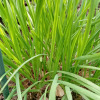
Allium tuberosum (Rottler ex Spreng.)
-
Allium tubiflorum (Rendle)
-
Allium tuchalense (F.O.Khass. & Noroozi)
-
Allium tulipifolium (Ledeb.)
-
Allium tuncelianum ((Kollmann) Özhatay, B.Mathew & Siraneci)
-
Allium tuolumnense ((Ownbey & Aase ex Traub) S.S.Denison & McNeal)
-
Allium turcicum (Özhatay & Cowley)
-
Allium turcomanicum (Regel)
-
Allium turkestanicum (Regel)
-
Allium turtschicum (Regel)
-
Allium tuvinicum ((N.Friesen) N.Friesen)
-
Allium tythocephalum (Schult. & Schult.f.)
-
Allium tytthanthum (Vved.)
-
Allium tzanoudakisanum (Brullo, Pavone & Salmeri)
-
Allium ubipetrense (R.M.Fritsch)
-
Allium ubsicola (Regel)
-
Allium umbilicatum (Boiss.)
-
Allium undulatipetalum (I.Genç & Özhatay)
-
Allium unifolium (Kellogg)
-
Allium urmiense (Kamelin & Seisums)
-
Allium ursinum (L.)
-
Allium urusakiorum (Özhatay, Seregin & N.Friesen)
-
Allium valdecallosum (Maire & Weiller)
-
Allium valentinae (Pavlov)
-
Allium validum (S.Watson)
-
Allium vallivanchense (R.M.Fritsch & N.Friesen)
-
Allium variegatum (Boiss.)
-
Allium vasilevskajae (Ogan.)
-
Allium vavilovii (Popov & Vved.)
-
Allium verticillatum (Regel)
-
Allium vescum (Wendelbo)
-
Allium victorialis (L.)
-
Allium victoris (Vved.)
-
Allium vineale (L.)
-
Allium vinicolor (Wendelbo)
-
Allium virgunculae (F.Maek. & Kitam.)
3 -
Allium viridiflorum (Pobed.)
-
Allium viridulum (Ledeb.)
-
Allium vodopjanovae (N.Friesen)
2 -
Allium vvedenskyanum (Pavlov)
-
Allium wallichii (Kunth)
-
Allium warzobicum (Kamelin)
-
Allium wendelboanum (Kollmann)
-
Allium wendelboi (Matin)
-
Allium weschniakowi (Regel)
-
Allium wiedemannianum (Regel)
-
Allium willeanum (Holmboe)
-
Allium winklerianum (Regel)
-
Allium woronowii (Miscz. ex Grossh.)
-
Allium xiangchengense (J.M.Xu)
-
Allium xichuanense (J.M.Xu)
-
Allium xiphopetalum (Aitch. & Baker)
-
Allium yanchiense (J.M.Xu)
-
Allium yildirimlii (Dural, Bagci & Ertugrul)
-
Allium yongdengense (J.M.Xu)
-
Allium yosemitense (Eastw.)
-
Allium yuanum (F.T.Wang & Tang)
-
Allium zagricum (R.M.Fritsch)
-
Allium zaissanicum (Kotukhov)
-
Allium zaprjagajevii (Kassacz)
-
Allium zebdanense (Boiss. & Noë)
-
Allium zergericum (F.O.Khass. & R.M.Fritsch)