
Genus Ficus in Family Moraceae
In botanical taxonomy, a genus (plural genera) is a rank used to group closely related species within a family. In the hierarchy, genus sits below family and above species.
Genera are defined by shared morphological, anatomical, and genetic characteristics (for example, features of flowers, fruits, seeds, or leaves) that indicate a close evolutionary relationship among the species they contain.
Each genus can include one or more species. Examples include Rosa (roses) and Solanum (nightshades, including tomato and eggplant).
Do you wish to read more about plant taxonomy? Click here!
Genus Description
Suggest a correction!Ficus (Moraceae) comprises approximately 800–850 species worldwide, with a pantropical distribution extending into warm temperate zones (POWO, 2024; WFO, 2024). It is a keystone element of tropical and subtropical forests, ranging from sea level to high mountains, and includes trees, shrubs, hemiepiphytes, and lianas. The lectotype for the genus is Ficus carica L. (POWO, 2024). Morphologically, Ficus is best recognized by the syconium: a highly modified inflorescence in which minute unisexual flowers are enclosed within a fleshy receptacle that opens through a ostiole guarded by bracts. Most species possess interpetiolar stipules forming conspicuous annular scars; leaves are alternate (sometimes opposite), entire to lobed, often bearing a milky latex. Syconia may be solitary, paired, cauliferous (on older wood), or ramiflorous (on young branches); flowers typically consist of separate male and female functions in the same syconium (protogynous in the genus), with ovary placement ranging from basal to apical and various placentation types. Fruits are achenes embedded within the syconium, with pulp derived from the enlarged receptacle.
The greatest species richness occurs in Southeast Asia and the Pacific, with secondary centers in the Americas and Africa; many species are regional endemics (Berg & Corner, 2005). The genus occupies a spectrum of habitats from mangroves and lowland rain forests to montane cloud forests, with some taxa adapted to dry savannas and others to secondary or urban environments. Central features of the reproductive system include obligate mutualism with Agaonidae fig wasps for pollination and pronounced phenological variation, including supra-annual masting in some species; frequent polyploidy is reported, with x=13 a widely cited base number across sections (Mocek et al., 2015). Dispersal is primarily by birds and mammals, with epizoochorous syndromes common in several taxa.
Taxonomically, subgenera Ficus (sections Ficus and Carica), Urostigma, Synoecia, and Sycomorus are traditional morphological groupings widely used in floras and monographs (Berg & Corner, 2005). Molecular phylogenies have restructured sectional and subgeneric boundaries, and a broad recircumscription of subgenus Urostigma is now generally adopted, whereas other subgenera remain better supported (Cruaud et al., 2012; Van der Ploeg et al., 2020). Consequently, recent treatments and global checklists reflect differing infrageneric arrangements, and precise alignment of legacy sections to clades remains in flux.
Culturally and economically, Ficus is highly significant beyond medicine. F. carica is a long‑cultivated fruit crop with extensive horticultural varieties; F. elastica, F. benjamina, and F. religiosa are widely grown ornamentals, while F. sycomorus and other species are important for timber and local food. Many species provide keystone resources for wildlife and ecosystem function, though some, notably weedy forms of F. carica, can become invasive in certain regions (GBIF, 2024). Habitat loss, overexploitation, and land‑use change are major threats to many taxa, and large phylogenetic uncertainties hamper targeted conservation planning; improved, well‑supported phylogenies integrated with standardized taxonomy are needed to safeguard diversity and ecosystem services (Rønsted et al., 2023).
-
Ficus abelii (Miq.)
-
Ficus abscondita (C.C.Berg)
-
Ficus abutilifolia (Miq.)
-
Ficus acamptophylla ((Miq.) Miq.)
-
Ficus acreana (C.C.Berg)
-
Ficus aculeata (A.Cunn. ex Miq.)
1 -
Ficus adelpha (K.Schum. & Lauterb.)
-
Ficus adenosperma (Miq.)
-
Ficus adhatodifolia (Schott ex Spreng.)
-
Ficus adolphi-friderici (Mildbr.)
-
Ficus aequatorialis (Dugand)
-
Ficus albert-smithii (Standl. in A.C.Sm.)
-
Ficus albipila ((Miq.) King)
-
Ficus albomaculata (C.C.Berg)
-
Ficus allutacea (Blume)
-
Ficus alongensis (Gagnep.)
-
Ficus altissima (Blume)
-
Ficus alutacea (Blume)
-
Ficus amadiensis (De Wild.)
-
Ficus amazonica (Miq.)
-
Ficus americana (Aubl.)
4 -
Ficus ampana (C.C.Berg)
-
Ficus ampelos (Burm.f.)
-
Ficus amplissima (Sm.)
-
Ficus amplocarpa (Govind. & P.Masilamoney)
-
Ficus ampulliformis (Corner)
-
Ficus anamalayana (Sudhakar & G.V.S.Murthy)
-
Ficus anastomosans (Wall.)
-
Ficus andamanica (Corner)
-
Ficus androchaete (Corner)
-
Ficus angolensis (Warb.)
-
Ficus annulata (Blume)
-
Ficus anserina ((Corner) C.C.Berg)
-
Ficus antandronarum ((H.Perrier) C.C.Berg)
1 -
Ficus apiocarpa (Miq.)
-
Ficus apollinaris (Dugand)
-
Ficus araneosa (King)
-
Ficus arawaensis (Corner)
-
Ficus arbuscula (K.Schum. & Lauterb.)
-
Ficus archboldiana (Summerh.)
-
Ficus archeri (Standl.)
-
Ficus ardisioides (Warb.)
1 -
Ficus arfakensis (King)
-
Ficus aripuanensis (C.C.Berg & Kooy)
-
Ficus armiti (King)
-
Ficus arnottiana ((Miq.) Miq.)
-
Ficus aspera (G.Forst.)
-
Ficus asperifolia (Hook. ex Miq.)
-
Ficus asperiuscula (Kunth & C.D.Bouché)
-
Ficus asperula (Bureau)
-
Ficus assamica (Miq.)
-
Ficus assimilis (Baker)
-
Ficus atricha (D.J.Dixon)
-
Ficus aurantiacifolia (Weiblen & Whitfeld)
-
Ficus aurata (Miq.)
-
Ficus aurea (Nutt.)
-
Ficus aureobrunnea (Pittier)
-
Ficus aureocordata (Corner)
-
Ficus auricoma (Corner ex C.C.Berg)
-
Ficus auriculata (Lour.)
-
Ficus auriculigera (Bureau)
-
Ficus aurita (Blume)
-
Ficus austrina (Corner)
-
Ficus austrocaledonica (Bureau)
-
Ficus baccaureoides (Corner)
-
Ficus badiopurpurea (Diels)
-
Ficus baeuerlenii (King)
-
Ficus bahiensis (C.C.Berg & Carauta)
-
Ficus bakeri (Elmer)
-
Ficus balete (Merr.)
-
Ficus balica (Miq.)
-
Ficus bambusifolia (Seem.)
-
Ficus banahaensis (Elmer)
-
Ficus banosensis (C.C.Berg)
-
Ficus baola (C.C.Berg)
-
Ficus barba-jovis (Corner)
-
Ficus barclayana (Miq.)
-
Ficus barraui (Guillaumin)
-
Ficus barteri (Sprague)
-
Ficus bataanensis (Merr.)
-
Ficus beccarii (King)
-
Ficus beddomei (King)
-
Ficus benghalensis (L.)
-
Ficus benguetensis (Merr.)
-
Ficus benjamina (L.)
-
Ficus bernaysii (King)
-
Ficus bhotanica (King)
-
Ficus biakensis (C.C.Berg)
-
Ficus binnendijkii ((Miq.) Miq.)
-
Ficus bistipulata (Griff.)
-
Ficus bivalvata (H.Perrier)
-
Ficus bizanae (Hutch. & Burtt Davy)
-
Ficus blepharophylla (Vázq.Avila)
-
Ficus boanensis (C.C.Berg)
-
Ficus bojeri (Baker)
-
Ficus boliviana (C.C.Berg)
-
Ficus bonijesulapensis (R.M.Castro)
-
Ficus boninsimae (Koidz.)
-
Ficus borneensis (Kochummen)
-
Ficus botryocarpa (Miq.)
2 -
Ficus botryoides (Baker)
-
Ficus bougainvillei (Rechinger)
-
Ficus brachyclada (Baker)
-
Ficus brachypoda ((Miq.) Miq.)
-
Ficus bracteata (Wall. ex Miq.)
-
Ficus brasiliensis (Link)
-
Ficus brenesii (Standl.)
-
Ficus brevibracteata (W.C.Burger)
-
Ficus brittonii (Bold.)
-
Ficus broadwayi (Urb.)
-
Ficus bruneiensis (Corner)
-
Ficus brunneo-aurata (Corner)
-
Ficus bubu (Warb.)
-
Ficus bubulia (C.C.Berg)
-
Ficus bukitrayaensis (C.C.Berg)
-
Ficus bullenei (I.M.Johnst.)
-
Ficus burretiana (Mildbr. & Hutch.)
-
Ficus burtt-davyi (Hutch.)
-
Ficus bussei (Warb. ex Mildbr. & Burret)
-
Ficus caatingae (R.M.Castro)
-
Ficus caballina (Standl.)
-
Ficus cahuitensis (C.C.Berg)
-
Ficus calcarata (Corner)
-
Ficus calcicola (Corner)
-
Ficus caldasiana (Dugand)
-
Ficus calimana (Dugand)
-
Ficus callophylla (Blume)
-
Ficus callosa (Willd.)
-
Ficus calopilina (Diels)
-
Ficus calyculata (Mill.)
-
Ficus calyptrata (Vahl)
-
Ficus calyptroceras (Miq.)
-
Ficus cambodica (Gagnep.)
-
Ficus camptandra (Diels)
-
Ficus capillipes (Gagnep.)
-
Ficus capreifolia (Delile)
-
Ficus carautana (L.J.Neves & Emygdio)
-
Ficus carchiana (C.C.Berg)
-
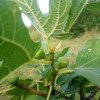
Ficus carica (L.)
1 -
Ficus carinata (C.C.Berg)
-
Ficus carpentariensis (D.J.Dixon)
-
Ficus carpenteriana (Elmer)
-
Ficus carri (Corner)
-
Ficus cartagenensis (Dugand)
-
Ficus carvajalii (Pedern., Pelissari & Romaniuc)
-
Ficus casapiensis (Miq.)
-
Ficus casearioides (King)
-
Ficus cassidyana (Elmer)
-
Ficus castellviana (Dugand)
-
Ficus catappifolia (Kunth & C.D.Bouché)
-
Ficus cataractarum (Vieill. ex Bureau)
-
Ficus cataupi (Elmer)
-
Ficus caulocarpa (Miq.)
-
Ficus cauta (Corner)
-
Ficus cavernicola (C.C.Berg)
-
Ficus cavroni (Carrière)
-
Ficus celebensis (Corner)
-
Ficus cerasicarpa (D.J.Dixon)
-
Ficus cereicarpa (Corner)
-
Ficus ceronii (C.C.Berg)
-
Ficus cervantesiana (Standl. & L.O.Williams)
-
Ficus cestrifolia (Schott ex Spreng.)
-
Ficus chaetostyla (Diels)
-
Ficus chapaensis (Gagnep.)
-
Ficus chaparensis (C.C.Berg & Villav.)
-
Ficus chaponensis (Dugand)
-
Ficus chartacea ((Kurz) Wall. ex King)
-
Ficus chirindensis (C.C.Berg)
-
Ficus chlamydocarpa (Mildbr. & Burret)
1 -
Ficus chocoensis (Dugand)
-
Ficus christianii (Carauta)
-
Ficus chrysochaete (Corner)
-
Ficus chrysolepis (Miq.)
1 -
Ficus cinnamomea (Corner)
-
Ficus citrifolia (Mill.)
-
Ficus clusiifolia (Schott)
-
Ficus coerulescens ((Rusby) Rossberg)
-
Ficus colobocarpa ((Diels ex Corner) C.C.Berg)
-
Ficus colubrinae (Standl.)
-
Ficus comitis (King)
-
Ficus complexa (Corner)
-
Ficus concinna ((Miq.) Miq.)
-
Ficus congesta (Roxb.)
-
Ficus conglobata (King)
-
Ficus conocephalifolia (Ridl.)
-
Ficus conraui (Warb.)
-
Ficus consociata (Blume)
-
Ficus copiosa (Steud.)
-
Ficus cordata (Thunb.)
-
Ficus cordatula (Merr.)
-
Ficus cornelisiana (Chantaras. & Y.Q.Peng)
-
Ficus corneri (Kochummen)
-
Ficus corneriana (C.C.Berg)
-
Ficus coronaria (King)
-
Ficus coronata (Spin)
-
Ficus coronulata (Miq.)
-
Ficus costaricana (Miq.)
-
Ficus costata (Aiton)
-
Ficus cotinifolia (Kunth)
-
Ficus cotopaxiensis (C.C.Berg)
-
Ficus crassicosta (Warb.)
-
Ficus crassinervia (Desf.)
-
Ficus crassipes (F.M.Bailey)
-
Ficus crassiramea ((Miq.) Miq.)
1 -
Ficus crassiuscula (Warb. ex Standl.)
-
Ficus crassivenosa (W.C.Burger)
-
Ficus crateriformis (Pedern. & Romaniuc)
-
Ficus craterostoma (Warb. ex Mildbr. & Burret)
-
Ficus cremersii (C.C.Berg)
-
Ficus crescentioides (Bureau)
-
Ficus crocata (Mart. ex Miq.)
-
Ficus cryptosyce (Corner)
-
Ficus cuatrecasasiana (Dugand)
-
Ficus cucurbitina (King)
-
Ficus cumingii (Miq.)
-
Ficus cundinamarcensis (Dugand)
-
Ficus cupulata (Haines)
-
Ficus curtipes (Corner)
-
Ficus cuspidata (Reinw. ex Blume)
-
Ficus cyathistipula (Warb.)
1 -
Ficus cyathistipuloides (De Wild.)
-
Ficus cyclophylla (Miq.)
-
Ficus cynaroides (Corner)
-
Ficus cyrtophylla ((Miq.) Miq.)
-
Ficus daimingshanensis (S.S.Chang)
-
Ficus dalbertisii (King)
-
Ficus dalhousieae (Miq.)
-
Ficus dammaropsis (Diels)
-
Ficus davidsoniae (Standl.)
-
Ficus decipiens (Reinw. ex Blume)
-
Ficus delosyce (Corner)
-
Ficus deltoidea (Jack)
1 -
Ficus demeusei (Warb.)
-
Ficus dendrocida (Kunth)
-
Ficus dens-echini (Corner)
-
Ficus densestipulata (De Wild.)
-
Ficus densifolia (Miq.)
-
Ficus depressa (Blume)
-
Ficus destruens (F.Muell. ex C.T.White)
-
Ficus detonsa (Corner)
-
Ficus devestiens (Corner)
-
Ficus dewolfii (Pedern. & Romaniuc)
-
Ficus diamantina (A.F.P.Machado & L.P.Queiroz)
-
Ficus diamantiphylla (Corner)
-
Ficus diandra (Corner)
-
Ficus dicranostyla (Mildbr.)
-
Ficus dimorpha (King)
-
Ficus dinganensis (S.S.Chang)
-
Ficus dissipata (Corner)
-
Ficus disticha (Blume)
1 -
Ficus distichoidea (Diels)
-
Ficus diversiformis (Miq.)
-
Ficus dodsonii (C.C.Berg)
-
Ficus donnell-smithii (Standl.)
-
Ficus drupacea (Thunb.)
-
Ficus dryepondtiana (Gentil)
-
Ficus duartei (C.C.Berg & Carauta)
-
Ficus duckeana (C.C.Berg & J.E.L.Ribeiro)
-
Ficus dugandii (Standl.)
-
Ficus dulciaria (Dugand)
-
Ficus dzumacensis (Guillaumin)
-
Ficus ecuadorensis (C.C.Berg)
-
Ficus edanoi (Merr.)
-
Ficus edelfeltii (King)
-
Ficus elastica (Roxb. ex Hornem.)
-
Ficus elasticoides (De Wild.)
-
Ficus eliadis (Standl.)
-
Ficus elmeri (Merr.)
-
Ficus endochaete (Summerh.)
-
Ficus endospermifolia (Corner)
-
Ficus enormis (Mart. ex Miq.)
-
Ficus erecta (Thunb.)
-
Ficus erinobotrya (Corner)
-
Ficus ernanii (Carauta, Pedern., P.P.Souza, A.F.P.Machado, M.D.M.Vianna & Romaniuc)
-
Ficus erythrosperma (Miq.)
-
Ficus esquiroli (H.Lév. & Vaniot)
-
Ficus estanislana (Dugand)
-
Ficus eumorpha (Corner)
-
Ficus eustephana (Diels)
-
Ficus exasperata (Vahl)
-
Ficus excavata (King)
-
Ficus eximia (Schott)
-
Ficus faulkneriana (C.C.Berg)
-
Ficus fengkaiensis (Doweld)
-
Ficus fergusonii ((King) T.B.Worth. ex Corner)
-
Ficus filicauda (Hand.-Mazz.)
1 -
Ficus fischeri (Warb. ex Mildbr. & Burret)
-
Ficus fiskei (Elmer)
-
Ficus fistulosa (Reinw. ex Blume)
1 -
Ficus flagellaris (Diels)
-
Ficus flavistipulata (C.C.Berg)
-
Ficus floccifera (Diels)
-
Ficus floresana (C.C.Berg)
-
Ficus formosana (Maxim.)
-
Ficus forstenii (Miq.)
-
Ficus francisci (H.J.P.Winkl.)
-
Ficus francoae (C.C.Berg)
-
Ficus fraseri (Miq.)
-
Ficus fresnoensis (Dugand)
-
Ficus fulva (Reinw. ex Blume)
-
Ficus fulvo-pilosa (Summerh.)
-
Ficus funiculicaulis (C.C.Berg)
-
Ficus funiculosa (Corner)
-
Ficus fuscata (Summerh.)
-
Ficus fusuiensis (S.S.Chang)
-
Ficus gamostyla (Kochummen)
-
Ficus garcia-barrigae (Dugand)
-
Ficus geniculata (Kurz)
1 -
Ficus geocarpa (Teijsm.)
-
Ficus geocharis (Corner)
-
Ficus gibbsiae (Ridl.)
-
Ficus gigantifolia (Merr.)
-
Ficus gigantosyce (Dugand)
-
Ficus gilapong (Miq.)
-
Ficus glaberrima (Blume)
1 -
Ficus glabristipulata (C.C.Berg)
-
Ficus glandifera (Summerh.)
-
Ficus glandulifera ((Wall. ex Miq.) King)
-
Ficus glareosa (Elmer)
-
Ficus globosa (Blume)
-
Ficus glumosa (Delile)
-
Ficus godeffroyi (Warb.)
1 -
Ficus goiana (C.C.Berg, Carauta & A.F.P.Machado)
-
Ficus goldmanii (Standl.)
-
Ficus gomelleira (Hort.Monac. ex Kunth & C.D.Bouché)
-
Ficus goniophylla (Corner)
-
Ficus gorontaloensis (C.C.Berg & Culmsee)
-
Ficus gracillima (Diels)
-
Ficus granatum (G.Forst.)
-
Ficus grandiflora (Corner)
-
Ficus gratiosa (Corner)
-
Ficus greenwoodii (Summerh.)
-
Ficus grevei (Baill.)
-
Ficus grewiifolia (Blume)
-
Ficus griffithii (Miq.)
-
Ficus grossularioides (Burm.f.)
-
Ficus gryllus (Corner)
-
Ficus guangxiensis (S.S.Chang)
-
Ficus guatiquiae (Dugand)
-
Ficus guayaquilensis (Dugand)
-
Ficus guizhouensis (X.S.Zhang)
-
Ficus gul (K.Schum. & Lauterb.)
-
Ficus guntheri (J.H.Torres)
-
Ficus gymnorygma (Summerh.)
-
Ficus habrophylla (G.Bennett & Seem.)
-
Ficus hadroneura (Diels)
-
Ficus hahliana (Diels)
-
Ficus halmaherae (Corner)
-
Ficus hartwegii (Miq.)
-
Ficus hatschbachii (C.C.Berg & Carauta)
-
Ficus hebetifolia (Dugand)
-
Ficus hederacea (Roxb.)
-
Ficus hemsleyana (King)
-
Ficus henneana (Miq.)
-
Ficus henryi (Warb. ex Diels)
-
Ficus herthae (Diels)
-
Ficus hesperidiiformis (King)
-
Ficus heteromorpha (Hemsl.)
-
Ficus heterophylla (L.f.)
-
Ficus heteropleura (Blume)
-
Ficus heteropoda (Miq.)
-
Ficus heteroselis (Bureau)
-
Ficus heterostyla (Merr.)
-
Ficus hirsuta (Schott)
-
Ficus hispida (L.f.)
-
Ficus holosericea (Schott)
-
Ficus hombroniana (Corner)
-
Ficus hondurensis (Standl. & L.O.Williams)
-
Ficus hookeriana (Corner)
-
Ficus hotteana (Ekman ex Rossb.)
-
Ficus humbertii (C.C.Berg)
-
Ficus hurlimannii (Guillaumin)
-
Ficus hypobrunnea (Corner)
-
Ficus hypogoea (King)
-
Ficus hypophaea (Schltr.)
-
Ficus ihuensis (Summerh.)
-
Ficus iidana (Rehder & E.H.Wilson)
-
Ficus ilias-paiei (Kochummen)
-
Ficus ilicina (Sond.)
-
Ficus illiberalis (Corner)
-
Ficus imbricata (Corner)
1 -
Ficus immanis (Corner)
-
Ficus inaequifolia (Elmer)
-
Ficus inaequipetiolata (Merr.)
-
Ficus indigofera (Rechinger)
-
Ficus ingens (Miq.)
-
Ficus insculpta (Summerh.)
-
Ficus insipida (Willd.)
-
Ficus intramarginalis (Miq.)
-
Ficus involucrata (Blume)
-
Ficus iodotricha (Diels)
-
Ficus ischnopoda (Miq.)
-
Ficus itoana (Diels)
-
Ficus ixoroides (Corner)
-
Ficus jacobii (Vázq.Avila)
1 -
Ficus jacobsii (C.C.Berg)
-
Ficus jaheriana (Corner)
-
Ficus jambiensis (C.C.Berg)
-
Ficus jansii (Boutique)
-
Ficus jaramilloi (Dugand)
-
Ficus jarawae (G.K.Upadhyay & Chakrab.)
-
Ficus jimiensis (C.C.Berg)
-
Ficus johannis (Boiss.)
1 -
Ficus juglandiformis (King)
-
Ficus kalimantana (C.C.Berg)
-
Ficus kamerunensis (Warb. ex Mildbr. & Burret)
-
Ficus karthalensis (C.C.Berg)
-
Ficus katendei (Verdc.)
-
Ficus kerkhovenii (Koord. & Valeton)
-
Ficus kjellbergii (Corner)
-
Ficus kochummeniana (C.C.Berg)
-
Ficus kofmaniae (C.C.Berg)
-
Ficus koutumensis (Corner)
-
Ficus krishnae (C.DC.)
-
Ficus krugiana (Warb.)
-
Ficus krukovii (Standl.)
-
Ficus kuchinensis (C.C.Berg)
-
Ficus kurzii (King)
-
Ficus lacor (Buch.-Ham.)
-
Ficus lacunata (Kvitvik)
-
Ficus laevicarpa (Elmer)
-
Ficus laevis (Blume)
1 -
Ficus lagoensis (C.C.Berg & Carauta)
-
Ficus lamponga (Miq.)
-
Ficus lanata (Blume)
-
Ficus lancibracteata (Corner)
-
Ficus langkokensis (Drake)
-
Ficus lapathifolia (Miq.)
-
Ficus lasiocarpa (Miq.)
-
Ficus lasiosyce (J.A.González & Poveda)
-
Ficus lateriflora (Vahl)
-
Ficus latimarginata (Corner)
-
Ficus latipedunculata (Pedern., Romaniuc & Mansano)
-
Ficus laureola (Warb. ex C.C.Berg & Carauta)
-
Ficus lauretana (Vázq.Avila)
-
Ficus laurifolia (hort. ex Lam.)
-
Ficus lawesii (King)
-
Ficus lawrancei (Standl.)
-
Ficus lecardii (Warb.)
-
Ficus lehmannii (Standl.)
-
Ficus leiocarpa (Warb.)
-
Ficus leiophylla (C.C.Berg)
-
Ficus leonensis (Hutch.)
-
Ficus lepicarpa (Blume)
-
Ficus leptocalama (Corner)
-
Ficus leptoclada (Benth.)
-
Ficus leptodictya (Diels)
-
Ficus leptogramma (Corner)
-
Ficus lifouensis (Corner)
-
Ficus lilliputiana (D.J.Dixon)
1 -
Ficus limosa (C.C.Berg)
-
Ficus linearifolia (Elmer)
-
Ficus lingua (Warb. ex De Wild. & T.Durand)
1 -
Ficus litseifolia (Corner)
-
Ficus longecuspidata (Warb.)
-
Ficus longibracteata (Corner)
-
Ficus longifolia (Schott)
-
Ficus longistipulata (Kochummen)
-
Ficus louisii (Boutique & J.Léonard)
-
Ficus louretana (Vasquez)
-
Ficus lowii (King)
-
Ficus lumutana (C.C.Berg)
-
Ficus luschnathiana (Miq.)
-
Ficus lutea (Vahl)
-
Ficus lyrata (Warb.)
-
Ficus macbridei (Standl. in J.F.Macbr.)
-
Ficus machetana (Dugand)
-
Ficus machupicchuensis (C.C.Berg)
-
Ficus macilenta (King)
-
Ficus maclellandii (King)
-
Ficus macrophylla (Pers.)
1 -
Ficus macropodocarpa (H.Lév. & Vaniot)
1 -
Ficus macrorrhyncha (K.Schum. & Lauterb.)
-
Ficus macrostyla (Corner)
-
Ficus macrosyce (Pittier)
-
Ficus macrothyrsa (Corner)
-
Ficus madagascariensis (C.C.Berg)
-
Ficus magdalenica (Dugand)
-
Ficus magnoliifolia (Blume)
-
Ficus magwana (C.C.Berg)
1 -
Ficus maialis (Guillaumin)
-
Ficus maitin (Pittier)
-
Ficus malayana (C.C.Berg & Chantaras.)
-
Ficus manuselensis (C.C.Berg)
-
Ficus mariae (C.C.Berg, Emygdio & Carauta)
-
Ficus marmorata (Bojer ex Baker)
-
Ficus maroma (A.Cast.)
-
Ficus maroniensis (Benoist)
-
Ficus masonii (Horne ex Baker)
-
Ficus matanoensis (C.C.Berg)
-
Ficus mathewsii (Miq.)
-
Ficus matiziana (Dugand)
-
Ficus mauritiana (Lam.)
-
Ficus maxima (Mill.)
-
Ficus maximoides (C.C.Berg)
-
Ficus megaleia (Corner)
-
Ficus megalophylla (Diels)
-
Ficus meistosyce (Standl. & L.O.Williams)
-
Ficus melinocarpa (Blume)
-
Ficus membranacea (C.Wright)
-
Ficus menabeensis (H.Perrier)
-
Ficus merrittii (Merr.)
-
Ficus mexicana (Miq.)
-
Ficus microcarpa (L.f.)
2 -
Ficus microdictya (Diels)
-
Ficus microphylla (Salzm. ex Miq.)
-
Ficus microsphaera (Warb.)
-
Ficus microsyce (Ridl.)
-
Ficus microtophora (Corner)
-
Ficus middletonii (Chantaras.)
-
Ficus midotis (Corner)
-
Ficus minahassae (Miq.)
-
Ficus miqueliana (C.C.Berg)
-
Ficus mollicula (Pittier)
-
Ficus mollior (F.Muell. ex Benth.)
-
Ficus mollis (Vahl)
-
Ficus mollissima (Ridl.)
-
Ficus montana (Burm.f.)
-
Ficus morobensis (C.C.Berg)
-
Ficus mucuso (Welw. ex Ficalho)
-
Ficus muelleriana (C.C.Berg)
-
Ficus multistipularis (Merr.)
-
Ficus mutabilis (Bureau)
-
Ficus mutisii (Dugand)
-
Ficus myiopotamica (C.C.Berg)
-
Ficus nana (Corner)
-
Ficus napoensis (S.S.Chang)
-
Ficus nasuta (Summerh.)
-
Ficus natalensis (Hochst.)
2 -
Ficus nebulosilvana (N.Medina)
-
Ficus neriifolia (Sm.)
2 -
Ficus nervosa (Roth)
2 -
Ficus nhatrangensis (Gagnep.)
-
Ficus nigro-punctata (Warb. ex Mildbr. & Burret)
-
Ficus nigrotuberculata (Pelissari & Romaniuc)
-
Ficus nishimurae (Koidz.)
-
Ficus nitidifolia (Bureau)
-
Ficus nota (Merr.)
-
Ficus novae-georgiae (Corner)
-
Ficus novahibernica (Corner)
-
Ficus numphaeifolia (L.)
-
Ficus nymphaeifolia (Mill.)
-
Ficus obliqua (G.Forst.)
-
Ficus obpyramidata (King)
-
Ficus obscura (Blume)
-
Ficus obtusifolia (Kunth)
-
Ficus obtusiuscula (Miq.)
-
Ficus ocoana (Dugand)
-
Ficus odoardoi (King)
-
Ficus odorata (Merr.)
-
Ficus oleifolia (King)
2 -
Ficus oleracea (Corner)
-
Ficus opposita (Miq.)
-
Ficus oreodryadum (Mildbr.)
-
Ficus oreophila (Ridl.)
-
Ficus oresbia (C.C.Berg)
-
Ficus orocuensis (Dugand)
-
Ficus orthoneura (H.Lév. & Vaniot)
-
Ficus osensis (C.C.Berg)
-
Ficus otophora (Corner & Guillaumin)
-
Ficus otophoroides (Corner)
-
Ficus ottoniifolia (Miq.)
4 -
Ficus ovatacuta (Corner)
-
Ficus ovatifolia (S.S.Chang)
-
Ficus oxymitroides (Corner)
-
Ficus pachyclada (Baker)
1 -
Ficus pachyneura (C.C.Berg)
-
Ficus pachyrrhachis (K.Schum. & Lauterb.)
-
Ficus pachysycia (Diels ex Corner)
-
Ficus padana (Burm.f.)
-
Ficus pakkensis (Standl.)
-
Ficus pallescens ((Weiblen) C.C.Berg)
-
Ficus pallida (Vahl)
-
Ficus palmarensis (N.Medina)
-
Ficus palmata (Forssk.)
1 -
Ficus paludica (Standl.)
-
Ficus pancheriana (Bureau)
-
Ficus pandurata (Hance)
-
Ficus pantoniana (King)
-
Ficus panurensis (Standl.)
-
Ficus paoana (C.C.Berg)
-
Ficus papuana (Corner)
-
Ficus paracamptophylla (Corner)
-
Ficus paraensis (Miq.)
-
Ficus parietalis (Blume)
-
Ficus parvibracteata (Corner)
-
Ficus pastasana (C.C.Berg)
-
Ficus patellata (Corner)
-
Ficus pedunculosa (Miq.)
-
Ficus pellucidopunctata (Griff.)
-
Ficus pendens (Corner)
-
Ficus perfulva (Elmer ex Merr.)
-
Ficus periptera (D.Fang & D.H.Qin)
1 -
Ficus pertusa (L.f.)
-
Ficus petiolaris (Kunth)
-
Ficus phaeobullata (Corner)
-
Ficus phaeosyce (K.Schum. & Lauterb.)
-
Ficus phanrangensis (Gagnep.)
-
Ficus phatnophylla (Diels)
-
Ficus pilulifera (Corner)
-
Ficus pisocarpa (Blume)
-
Ficus platyphylla (Delile)
-
Ficus platypoda (A.Cunn. ex Miq.)
-
Ficus plectonervata (N.Medina)
-
Ficus pleiadenia (Diels)
-
Ficus pleurocarpa (F.Muell.)
-
Ficus pleyteana (Corner)
-
Ficus podocarpifolia (Corner)
-
Ficus polita (Vahl)
1 -
Ficus politoria (Lam.)
-
Ficus polyantha (Warb.)
-
Ficus polynervis (S.S.Chang)
-
Ficus polyphlebia (Baker)
-
Ficus popayanensis (Standl.)
-
Ficus popenoei (Standl.)
1 -
Ficus populifolia (Vahl)
-
Ficus porphyrochaete (Corner)
-
Ficus porrecta ((Corner) C.C.Berg)
-
Ficus praestans (Corner)
-
Ficus praetermissa (Corner)
-
Ficus preussii (Warb.)
-
Ficus primaria (Corner)
-
Ficus pringlei (S.Watson)
-
Ficus pritchardii (Seem.)
-
Ficus profusa (Corner)
-
Ficus prolixa (G.Forst.)
1 -
Ficus prostrata ((Miq.) Buch.-Ham. ex Miq.)
-
Ficus pseudocaulocarpa (Chantaras.)
-
Ficus pseudoconcinna (Chantaras.)
-
Ficus pseudojaca (Corner)
-
Ficus pseudomangifera (Hutch.)
-
Ficus pseudopalma (Blanco)
-
Ficus pseudowassa (Corner)
-
Ficus pteroporum (Guillaumin)
-
Ficus pubigera ((Miq.) Wall. ex Brandis)
2 -
Ficus pubilimba (Merr.)
-
Ficus pubipetiola (Chantaras.)
-
Ficus pulchella (Schott ex Spreng.)
-
Ficus pumila (L.)
1 -
Ficus punctata (Thunb.)
-
Ficus pungens (Reinw. ex Blume)
-
Ficus pustulata (Elmer)
-
Ficus pygmaea (Welw. ex Hiern)
-
Ficus pyriformis (Hook. & Arn.)
-
Ficus quercetorum (Corner)
-
Ficus quichauensis (S.S.Chang)
-
Ficus quichuana (C.C.Berg)
-
Ficus quistocochensis (C.C.Berg)
-
Ficus racemifera (Roxb)
-
Ficus racemigera (Bureau)
-
Ficus racemosa (L.)
-
Ficus recurva (Blume)
3 -
Ficus recurvata (De Wild.)
-
Ficus reflexa (Thunb.)
2 -
Ficus religiosa (L.)
-
Ficus remifolia (Corner ex C.C.Berg)
-
Ficus repens (Roxb. ex Sm.)
-
Ficus retusa (L.)
-
Ficus rheedei (J.Graham)
-
Ficus rhizophoraephylla (King)
-
Ficus ribes (Reinw. ex Blume)
1 -
Ficus richteri (Dugand)
-
Ficus ridleyana (C.C.Berg & Chantaras.)
-
Ficus rieberiana (C.C.Berg)
-
Ficus riedelii (Teijsm. ex Miq.)
-
Ficus rigo (F.M.Bailey)
-
Ficus rimacana (C.C.Berg)
-
Ficus rivularis (Merr.)
-
Ficus robusta (Corner)
-
Ficus romeroi (Dugand)
-
Ficus roraimensis (C.C.Berg)
-
Ficus rosulata (C.C.Berg)
-
Ficus rubiginosa (Desf. ex Vent.)
-
Ficus rubra (Vahl)
-
Ficus rubrijuvenis (Weiblen & Whitfeld)
-
Ficus rubrivestimenta (Weiblen & Whitfeld)
-
Ficus rubrocuspidata (Corner)
-
Ficus rubromidotis (Corner)
-
Ficus rubrosyce (C.C.Berg)
-
Ficus ruficaulis (Merr.)
-
Ficus ruginervia (Corner)
-
Ficus rumphii (Blume)
-
Ficus ruspolii (Warb.)
-
Ficus ruyuanensis (X.S.Zhang)
-
Ficus rzedowskiana (Carvajal & Cuev.-Fig.)
-
Ficus sabahana (Kochummen)
-
Ficus saccata (Corner)
-
Ficus sageretina (Diels)
-
Ficus sagittata (Vahl)
-
Ficus sagittifolia (Warb. ex Mildbr. & Burret)
-
Ficus salicaria (C.C.Berg)
-
Ficus salicifolia (Vahl)
-
Ficus salomonensis (Rechinger)
-
Ficus samoensis (Summerh.)
-
Ficus sandanakana (C.C.Berg)
-
Ficus sangumae (Weiblen & Whitfeld)
-
Ficus sansibarica (Warb.)
1 -
Ficus santanderiana (Dugand)
-
Ficus sarawakensis (Corner)
-
Ficus sarmentosa (Buch.-Ham. ex Sm.)
7 -
Ficus saruensis (C.C.Berg)
-
Ficus satterthwaitei (Elmer)
-
Ficus saurauioides (Diels)
-
Ficus saussureana (DC.)
-
Ficus saxophila (Blume)
1 -
Ficus scaberrima (Blume)
-
Ficus scabra (G.Forst.)
-
Ficus scaposa (Corner)
-
Ficus scassellatii (Pamp.)
1 -
Ficus schefferiana (King)
-
Ficus schippii (Standl.)
-
Ficus schumacheri (Griseb.)
-
Ficus schumanniana (Warb.)
-
Ficus schwarzii (Koord.)
-
Ficus sciaphila (Corner)
-
Ficus sclerosycia (C.C.Berg)
-
Ficus scobina (Benth.)
-
Ficus scopulifera (C.C.Berg)
-
Ficus scott-elliotii (Mildbr. & Burret)
-
Ficus scratchleyana (King)
-
Ficus segoviae (Miq.)
-
Ficus semicordata (Buch.-Ham. ex Sm.)
1 -
Ficus semivestita (Corner)
-
Ficus septica (Burm.f.)
-
Ficus serraria (Miq.)
-
Ficus setiflorus (Stapf)
-
Ficus setulosa (C.C.Berg)
-
Ficus simplicissima (Lour.)
-
Ficus singalana (King)
-
Ficus sinociliata (Z.K.Zhou & M.G.Gilbert)
-
Ficus sinuata (Thunb.)
-
Ficus smithii (Horne ex Baker)
-
Ficus soatensis (Dugand)
-
Ficus sodiroi (Rossberg)
-
Ficus soepadmoi (Kochummen)
-
Ficus sohotonensis (C.C.Berg)
-
Ficus solomonensis (Doweld)
-
Ficus spathulifolia (Corner)
-
Ficus sphenophylla (Standl.)
-
Ficus spiralis (Corner)
-
Ficus squamosa (Roxb.)
-
Ficus stellaris (C.C.Berg)
1 -
Ficus stipata (King)
-
Ficus stolonifera (King)
-
Ficus storckii (Seem.)
-
Ficus stricta (Miq.)
-
Ficus stuhlmannii (Warb.)
-
Ficus subcaudata (C.C.Berg)
-
Ficus subcongesta (Corner)
-
Ficus subcordata (Blume)
-
Ficus subcostata (De Wild.)
-
Ficus subcuneata (Miq.)
-
Ficus subfulva (Corner)
-
Ficus subgelderi (Corner)
-
Ficus subglabritepala (C.C.Berg)
-
Ficus subincisa (Buch.-Ham. ex Sm.)
-
Ficus sublimbata (Corner)
-
Ficus submontana (C.C.Berg)
-
Ficus subnervosa (Corner)
-
Ficus subpisocarpa (Gagnep.)
1 -
Ficus subpuberula (Corner)
-
Ficus subsagittifolia (Mildbr. ex C.C.Berg)
-
Ficus subsidens (Corner)
-
Ficus subterranea (Corner)
-
Ficus subtrinervia (K.Schum. & Lauterb.)
-
Ficus subulata (Blume)
-
Ficus suffruticosa (Corner)
-
Ficus sulawesiana (C.C.Berg & Culmsee)
-
Ficus sulcata (Elmer)
-
Ficus sumacoana (C.C.Berg)
-
Ficus sumatrana ((Miq.) Miq.)
-
Ficus sundaica (Blume)
-
Ficus superba (Miq.)
-
Ficus supfiana (Schltr.)
-
Ficus supperforata (Corner)
-
Ficus sur (Forssk.)
-
Ficus sycomorus (L.)
-
Ficus talbotii (King)
-
Ficus tamayoana (Cuev.-Fig. & Carvajal)
-
Ficus tannoensis (Hayata)
-
Ficus tanypoda (Corner)
-
Ficus tarennifolia (Corner)
-
Ficus temburongensis (C.C.Berg)
-
Ficus tenuicuspidata (Corner)
-
Ficus tepuiensis (C.C.Berg)
-
Ficus tequendamae (Dugand)
-
Ficus ternatana (Miq.)
-
Ficus tesselata (Warb.)
-
Ficus tettensis (Hutch.)
-
Ficus thailandica (C.C.Berg & S.Gardner)
-
Ficus theophrastoides (Seem.)
1 -
Ficus thonningii (Blume)
-
Ficus ti-koua (Bureau)
-
Ficus tiliifolia (Baker)
-
Ficus tinctoria (G.Forst.)
1 -
Ficus tonduzii (Standl.)
-
Ficus tonsa (Miq.)
-
Ficus torrentium (H.Perrier)
-
Ficus torresiana (Standl.)
-
Ficus tovarensis (Pittier)
-
Ficus trachelosyce (Dugand)
-
Ficus trachycoma (Miq.)
-
Ficus trachypison (K.Schum.)
-
Ficus trapezicola (Dugand)
-
Ficus travancorica (King)
-
Ficus tremula (Warb.)
2 -
Ficus treubii (King)
-
Ficus trianae (Dugand)
-
Ficus trichocarpa (Blume)
-
Ficus trichocerasa (Diels)
1 -
Ficus trichoclada (Baker)
-
Ficus trichopoda (Baker)
-
Ficus tricolor (Miq.)
2 -
Ficus trigona (L.f.)
-
Ficus trigonata (L.)
-
Ficus triloba (Buch.-Ham. ex Voigt)
-
Ficus trimenii (King ex Trimen)
-
Ficus triradiata (Corner)
1 -
Ficus tristaniifolia (Corner)
-
Ficus trivia (Corner)
1 -
Ficus tsiangii (Merr. ex Corner)
-
Ficus tsjahela (Burm.f.)
-
Ficus tsjakela (Burm.f.)
-
Ficus tubulosa (Pelissari & Romaniuc)
-
Ficus tulipifera (Corner)
-
Ficus tunicata (Corner)
-
Ficus tuphapensis (Drake)
1 -
Ficus turrialbana (W.C.Burger)
-
Ficus ulmifolia (Lam.)
-
Ficus umbellata (Vahl)
-
Ficus umbonata (Reinw. ex Blume)
-
Ficus uncinata ((King) Becc.)
-
Ficus uniauriculata (Warb.)
-
Ficus uniglandulosa (Wall. & Miq.)
-
Ficus urnigera (Miq.)
-
Ficus ursina (Standl.)
-
Ficus usambarensis (Warb.)
-
Ficus vaccinioides (Hemsl. & King ex King)
-
Ficus valaria (C.C.Berg)
-
Ficus vallis-caucae (Dugand)
-
Ficus vallis-choudae (Delile)
-
Ficus variegata (Blume)
-
Ficus variifolia (Warb.)
-
Ficus variolosa (Lindl. ex Benth.)
-
Ficus vasculosa (Wall. & Miq.)
-
Ficus vasta (Forssk.)
-
Ficus velutina (Humb. & Bonpl. ex Willd.)
-
Ficus venezuelensis (C.C.Berg)
-
Ficus vermifuga (Miq.)
-
Ficus verruculosa (Warb.)
-
Ficus versicolor (Bureau)
-
Ficus verticillaris (Corner)
-
Ficus vieillardiana (Bureau)
-
Ficus villosa (Blume)
-
Ficus virens (Aiton)
2 -
Ficus virescens (Corner)
-
Ficus virgata (Reinw. ex Blume)
-
Ficus vitiensis (Seem.)
-
Ficus vittata (Vázq.Avila)
-
Ficus vogeliana (Miq.)
-
Ficus voponensis (Desv.)
-
Ficus vrieseana (Miq.)
-
Ficus wakefieldii (Hutch.)
-
Ficus wamanguana (Weiblen & Whitfeld)
-
Ficus warburgii (Elmer)
-
Ficus wassa (Roxb.)
-
Ficus watkinsiana (F.M.Bailey)
-
Ficus webbiana (Miq.)
-
Ficus wildemaniana (Warb. ex De Wild. & T.Durand)
-
Ficus xylophylla (Wall. ex Miq.)
-
Ficus yoponensis (Desv.)
-
Ficus ypsilophlebia (Dugand)
-
Ficus yunnanensis (S.S.Chang)
-
Ficus zuliensis (C.C.Berg & Simonis)