
Genus Dendrobium in Family Orchidaceae
In botanical taxonomy, a genus (plural genera) is a rank used to group closely related species within a family. In the hierarchy, genus sits below family and above species.
Genera are defined by shared morphological, anatomical, and genetic characteristics (for example, features of flowers, fruits, seeds, or leaves) that indicate a close evolutionary relationship among the species they contain.
Each genus can include one or more species. Examples include Rosa (roses) and Solanum (nightshades, including tomato and eggplant).
Do you wish to read more about plant taxonomy? Click here!
Genus Description
Suggest a correction!Dendrobium Sw., a large Orchidaceae genus, comprises about 1,500 species distributed from the Himalaya through Southeast Asia to New Guinea, northern Australia, and the Pacific islands, occupying tropical to subtropical forests from sea level to montane elevations (POWO, 2024; WFO, 2024). The type species of the genus is Dendrobium nobile (Sw.) (Jones & Chase, 2014).
Plants are sympodial epiphytes with fleshy pseudobulbs storing water and nutrients. Leaves are alternate, thick and leathery, sheathing the pseudobulb; stipules absent. Inflorescences arise from pseudobulb nodes or leaf axils, solitary or racemose; flowers are usually resupinate, dorsal sepal fusing laterally to the lateral sepals, forming a shield‑like structure. Labellum hinged at base, column bears a well‑developed pollinarium. Ovaries inferior, trilocular, parietal placentation, mature into dehiscent capsules with minute, dust‑like wind‑dispersed seeds.
Diversity and range are highest in the Malesian region, especially New Guinea and the Philippines, where numerous narrow endemics occur. Species also thrive in the Himalayas, southern China, and northern Queensland, often on exposed rocks or in humid dipterocarp forests. Elevational tolerances range from lowland rainforests to 2,500 m in montane cloud forests (Chase et al., 2015).
Intrinsic biology is dominated by insect pollination; many taxa attract bees, flies, or moths, while autogamy has been reported in a few lines. Dispersal relies on wind‑borne seeds; seed morphology shows the characteristic membranous testa of Orchidaceae. Chromosome studies reveal a base number of x = 19, with diploid counts of 2n = 38 commonly reported (Zhang et al., 2020).
Taxonomy and phylogeny have been repeatedly revised. The genus is subdivided into several subgenera (e.g., Dendrobium, Stachyobium, Phalaenopsis subgenus for some allies). Molecular analyses have prompted the segregation of Flickingeria and Epigeneium from Dendrobium, and many species formerly assigned to the “section Formosae” are now treated as separate lineages (Jones & Chase, 2014; Chase et al., 2015). Ongoing synonymizations and circumscription debates persist (POWO, 2024).
Human relevance is largely horticultural. Dendrobium nobile and numerous hybrids are cultivated for ornamental cut flowers, while Dendrobium species feature prominently in tropical orchid collections. A few taxa have become naturalized in certain Pacific islands, occasionally weedy (WFO, 2024).
Conservation concerns include habitat loss and over‑collection, leading to many species being listed in CITES Appendix II. Future work should focus on integrating genomic data with field surveys to refine conservation priorities and clarify phylogenetic boundaries.
-
Dendrobium × foederatum (St.Cloud)
-
Dendrobium × gracillimum ((Rupp) Leaney)
-
Dendrobium × grimesii (C.T.White & Summerh.)
-
Dendrobium × primulardii (Horridge)
-
Dendrobium × ruppiosum (Clemesha)
-
Dendrobium × superbiens (Rchb.f.)
2 -
Dendrobium × usitae (T.Yukawa)
-
Dendrobium × vexabile (Rchb.f.)
-
Dendrobium × von\-paulsenianum (A.D.Hawkes)
-
Dendrobium × yengiliense (T.M.Reeve)
-
Dendrobium aberrans (Schltr.)
2 -
Dendrobium acaciifolium (J.J.Sm.)
-
Dendrobium acanthephippiiflorum (J.J.Sm.)
-
Dendrobium acerosum (Lindl.)
-
Dendrobium aciculare (Lindl.)
-
Dendrobium acinaciforme (Roxb.)
-
Dendrobium aclinia (Rchb.f.)
-
Dendrobium acuiferum (Ormerod)
-
Dendrobium acuminatissimum (Lindl.)
2 -
Dendrobium acutifolium (Ridl.)
-
Dendrobium acutilingue (Schuit. & Peter B.Adams)
-
Dendrobium acutilobum (Schltr.)
-
Dendrobium acutimentum (J.J.Sm.)
-
Dendrobium acutisepalum (J.J.Sm.)
-
Dendrobium adae (F.M.Bailey)
-
Dendrobium adamsii (A.D.Hawkes)
-
Dendrobium aduncilobum (J.J.Sm.)
-
Dendrobium aduncum (Lindl.)
-
Dendrobium aemulum (R.Br.)
-
Dendrobium affine (Steud.)
-
Dendrobium agamense (J.J.Sm.)
-
Dendrobium agrostophylloides (Schltr.)
-
Dendrobium agrostophyllum (F.Muell.)
-
Dendrobium agusanense (Ames)
-
Dendrobium ainiae (Rusea & Besi)
-
Dendrobium ajoebii (J.J.Sm.)
-
Dendrobium alabense (J.J.Wood)
-
Dendrobium alaticaulinum (P.Royen)
-
Dendrobium albayense (Ames)
-
Dendrobium albiflorum (Ridl.)
-
Dendrobium albopurpureum ((Seidenf.) Schuit. & Peter B.Adams)
-
Dendrobium albosanguineum (Lindl. & Paxton)
-
Dendrobium alderwereltianum (J.J.Sm.)
-
Dendrobium alexandrae (Schltr.)
-
Dendrobium aliciae (Ames & Quisumb.)
-
Dendrobium aloefolium (Rchb.f.)
-
Dendrobium alticola (Schltr.)
-
Dendrobium amabile (O'Brien)
-
Dendrobium amboinense (Hook.)
-
Dendrobium amethystoglossum (Rchb.f.)
-
Dendrobium amiengense (Ormerod)
-
Dendrobium amoenum (Wall. ex Lindl.)
-
Dendrobium amphigenyum (Ridl.)
-
Dendrobium amplum (Lindl.)
-
Dendrobium anamalayanum (Chandrab., V.Chandras. & N.C.Nair)
-
Dendrobium anceps (Sw.)
-
Dendrobium ancipitum ((P.O'Byrne & J.J.Verm.) Schuit. & Peter B.Adams)
-
Dendrobium andersonianum (F.M.Bailey)
-
Dendrobium andreemillariae (T.M.Reeve)
-
Dendrobium angraecifolium (Schltr.)
-
Dendrobium angulatum (Lindl.)
-
Dendrobium angusticaule (P.J.Spence)
-
Dendrobium angustiflorum (J.J.Sm.)
-
Dendrobium angustifolium (Lindl.)
2 -
Dendrobium angustipetalum (J.J.Sm.)
-
Dendrobium angustispathum (J.J.Sm.)
-
Dendrobium angustitepalum ((W.K.Harris & M.A.Clem.) Schuit. & de Vogel)
-
Dendrobium anilii (P.M.Salim, J.Mathew & Szlach.)
-
Dendrobium anisobulbon (Schuit. & Peter B.Adams)
-
Dendrobium annae (J.J.Sm.)
-
Dendrobium annamense (Rolfe)
-
Dendrobium annemarieae (Cabactulan, Cootes, M.Leon & Pimentel)
-
Dendrobium annulatum (Juswara, Schuit. & J.Champ.)
-
Dendrobium annuligerum (Rchb.f.)
-
Dendrobium anosmum (Lindl.)
-
Dendrobium antennatum (Lindl.)
-
Dendrobium anthrene (Ridl.)
-
Dendrobium apertum (Schltr.)
-
Dendrobium aphanochilum (Kraenzl.)
-
Dendrobium aphrodite (Rchb.f.)
-
Dendrobium aphyllum (C.E.C.Fisch.)
-
Dendrobium apiculiferum (J.J.Sm.)
-
Dendrobium appendicula (Schltr.)
-
Dendrobium appendiculatum (Lindl.)
-
Dendrobium aprinoides (J.J.Sm.)
-
Dendrobium aprinum (J.J.Sm.)
-
Dendrobium aqueum (Lindl.)
-
Dendrobium arachnoideum (Schltr.)
-
Dendrobium araneola (Schltr.)
-
Dendrobium aratriferum (J.J.Sm.)
-
Dendrobium arawanum (Ormerod)
-
Dendrobium archipelagense (Howcroft & W.N.Takeuchi)
-
Dendrobium arcuatum (J.J.Sm.)
-
Dendrobium arfakense (J.J.Sm.)
-
Dendrobium argiense (J.J.Sm.)
-
Dendrobium aridum (J.J.Sm.)
-
Dendrobium aries (J.J.Sm.)
-
Dendrobium aristiferum (J.J.Sm.)
-
Dendrobium arjunoense ((J.J.Wood & J.B.Comber) Schuit. & Peter B.Adams)
-
Dendrobium armeniacum (P.J.Cribb)
-
Dendrobium armitiae (F.M.Bailey)
-
Dendrobium aromaticum (J.J.Sm.)
-
Dendrobium arthrobulbum (Kraenzl.)
-
Dendrobium arunachalense (C.Deori, S.K.Sarma, Phukan & A.A.Mao)
-
Dendrobium asahanense (Ormerod & Juswara)
-
Dendrobium asperatum (Schltr.)
-
Dendrobium asphale (Rchb.f.)
-
Dendrobium assamicum (Sud.Chowdhury)
-
Dendrobium atavus (J.J.Sm.)
-
Dendrobium atjehense (J.J.Sm.)
-
Dendrobium atroviolaceum (Rolfe)
-
Dendrobium attenuatum (Lindl.)
-
Dendrobium aurantiiflammeum (J.J.Wood)
-
Dendrobium aurantiiflavum (P.Royen)
-
Dendrobium aurantiiroseum (P.Royen ex T.M.Reeve)
-
Dendrobium aurantiivinosum (P.Royen)
-
Dendrobium aurantitepalum (de Vogel)
-
Dendrobium aureicolor (J.J.Sm.)
-
Dendrobium aureilobum (J.J.Sm.)
-
Dendrobium auriculatum (Ames & Quisumb.)
-
Dendrobium aurifex (Thoerle, Schuit. & Turkel)
-
Dendrobium austrocaledonicum (Schltr.)
-
Dendrobium awormangae (Ormerod)
-
Dendrobium axillare (Schltr.)
-
Dendrobium ayubii (J.B.Comber & J.J.Wood)
-
Dendrobium azureum (Schuit.)
-
Dendrobium baeuerlenii (F.Muell. & Kraenzl.)
-
Dendrobium baileyi (F.Muell.)
-
Dendrobium bakoense (J.J.Wood)
-
Dendrobium balimense (Ormerod)
-
Dendrobium balzerianum (Fessel & Lückel)
-
Dendrobium bambusiforme (Schltr.)
-
Dendrobium bambusinum (Ridl.)
-
Dendrobium bandaense (Schltr.)
-
Dendrobium bandii (Cavestro)
-
Dendrobium banghamii (Ames & C.Schweinf.)
-
Dendrobium bannaense (Y.Q.Tian & Y.B.Huang)
-
Dendrobium baoernianum (P.O'Byrne, P.T.Ong & J.J.Wood)
-
Dendrobium barbatulum (Lindl.)
-
Dendrobium barbatum (Breda)
-
Dendrobium barioense (J.J.Wood)
-
Dendrobium basifixum (de Vogel)
-
Dendrobium basilanense (Ames)
-
Dendrobium beamanianum (J.J.Wood & A.Lamb)
-
Dendrobium beamaniorum (J.J.Wood & A.L.Lamb)
-
Dendrobium begaudii ((Cavestro) Schuit. & Peter B.Adams)
-
Dendrobium beleense (Ormerod)
-
Dendrobium bellatulum (Rolfe)
-
Dendrobium bensoniae (Rchb.f.)
-
Dendrobium bialatum (J.J.Sm.)
-
Dendrobium bicameratum (Lindl.)
-
Dendrobium bicarinatum (Ames & C.Schweinf.)
-
Dendrobium bicaudatum (Reinw. ex Lindl.)
-
Dendrobium bicolense (Lubag-Arquiza)
-
Dendrobium biconvexum ((D.L.Jones & M.A.Clem.) J.M.H.Shaw)
-
Dendrobium bicostatum (J.J.Sm.)
-
Dendrobium bicristatum (Ormerod)
-
Dendrobium bidentiferum (J.J.Sm.)
-
Dendrobium bifalce (Lindl.)
-
Dendrobium biflorum ((G.Forst.) Sw.)
-
Dendrobium bifurcatum (T.Yukawa)
-
Dendrobium bigibbum (Lindl.)
4 -
Dendrobium bihamulatum (J.J.Sm.)
-
Dendrobium bilobulatum (Seidenf.)
-
Dendrobium bilobum (Lindl.)
-
Dendrobium biloculare (J.J.Sm.)
-
Dendrobium bismarckiense (Schltr.)
-
Dendrobium blanche-amesiae (A.D.Hawkes & A.H.Heller)
-
Dendrobium blaoense (Schuit. & Peter B.Adams)
-
Dendrobium blumei (Lindl.)
-
Dendrobium bobolei (Ormerod)
-
Dendrobium boosii (Cootes & W.Suarez)
-
Dendrobium boridiense (Ormerod)
-
Dendrobium bostrychodes (Rchb.f.)
-
Dendrobium bowmanii (Benth.)
-
Dendrobium brachycalyptra (Schltr.)
-
Dendrobium brachycentrum (Ridl.)
-
Dendrobium brachypus ((Endl.) Rchb.f.)
-
Dendrobium bracteosum (Rchb.f.)
-
Dendrobium braianense (Gagnep.)
-
Dendrobium brassii (T.M.Reeve & P.Woods)
-
Dendrobium brevibulbum (J.J.Sm.)
-
Dendrobium brevicaudum (D.L.Jones & M.A.Clem.)
-
Dendrobium brevicaule (Rolfe)
3 -
Dendrobium brevicolle (J.J.Sm.)
-
Dendrobium brevilabium (Schltr.)
-
Dendrobium brevimentum (Seidenf.)
-
Dendrobium brevitepalum (de Vogel)
-
Dendrobium brillianum (Ormerod & Cavestro)
-
Dendrobium brinkmanii (Ormerod)
-
Dendrobium brunnescens (Schltr.)
-
Dendrobium brunneum (Schuit. & Peter B.Adams)
-
Dendrobium brymerianum (Rchb.f.)
-
Dendrobium buffumii (A.D.Hawkes)
-
Dendrobium buinense (Ormerod)
-
Dendrobium bukidnonense (Ames & Quisumb.)
-
Dendrobium bulbophylloides (Schltr.)
-
Dendrobium bullenianum (Rchb.f.)
-
Dendrobium burkeanum (Ormerod)
-
Dendrobium bursigerum (Lindl.)
-
Dendrobium busuangense (Ames)
-
Dendrobium butchcamposii (Cootes, M.Leon & R.Boos)
-
Dendrobium butinii (M.Pignal & Munzinger)
-
Dendrobium cabadbarense (Ames)
-
Dendrobium cacuminis (Gagnep.)
-
Dendrobium cadetia (J.J.Sm.)
-
Dendrobium cadetiiflorum (J.J.Sm.)
-
Dendrobium cadetioides (Schltr.)
-
Dendrobium caladenia (Ormerod)
-
Dendrobium calcaratimentum (P.O'Byrne)
-
Dendrobium calcaratum (A.Rich.)
2 -
Dendrobium calcariferum (Carr)
-
Dendrobium calceolum (Roxb.)
-
Dendrobium calcicola (P.O'Byrne & P.T.Ong)
-
Dendrobium calicopis (Ridl.)
-
Dendrobium caliculi-mentum (R.S.Rogers)
-
Dendrobium callitrophilum (B.Gray & D.L.Jones)
-
Dendrobium calocephalum ((Z.H.Tsi & S.C.Chen) Schuit. & Peter B.Adams)
-
Dendrobium calophyllum (Rchb.f.)
-
Dendrobium calopogon (Rchb.f.)
-
Dendrobium calyptratum (J.J.Sm.)
-
Dendrobium camaridiorum (Rchb.f.)
-
Dendrobium campbellii (P.J.Cribb & B.A.Lewis)
-
Dendrobium canaliculatum (R.Br.)
2 -
Dendrobium cancroides (T.E.Hunt)
-
Dendrobium candidissimum (Cavestro & J.Champ.)
-
Dendrobium candoonense (Ames)
-
Dendrobium capillipes (Rchb.f.)
-
Dendrobium capitellatoides (J.J.Sm.)
-
Dendrobium capituliflorum (Rolfe)
-
Dendrobium capra (J.J.Sm.)
-
Dendrobium carinatum (Willd.)
-
Dendrobium cariniferum (Rchb.f.)
-
Dendrobium carinulatidiscum (J.J.Sm.)
-
Dendrobium carmindae (M.Leon, Cootes & R.Boos)
-
Dendrobium carnicarinum (Kores)
-
Dendrobium carolinense (Schltr.)
-
Dendrobium carrii (Rupp & C.T.White)
-
Dendrobium carronii (Lavarack & P.J.Cribb)
-
Dendrobium caryicola (Guillaumin)
-
Dendrobium casuarinae (Schltr.)
-
Dendrobium catillare (Rchb.f.)
-
Dendrobium caudiculatum ((M.A.Clem. & D.L.Jones) Schuit. & de Vogel)
-
Dendrobium cavipes (J.J.Sm.)
-
Dendrobium celebense (J.J.Sm.)
-
Dendrobium centrale (J.J.Sm.)
-
Dendrobium centrosepalum (Schuit., Juswara & Droissart)
-
Dendrobium ceraceum (Schltr.)
-
Dendrobium ceratostyloides (J.J.Sm.)
-
Dendrobium ceraula (Rchb.f.)
-
Dendrobium cerinum (Rchb.f.)
-
Dendrobium cervicaliferum (J.J.Sm.)
-
Dendrobium chalmersii (F.Muell.)
-
Dendrobium chamaephytum (Schltr.)
-
Dendrobium chameleon (Ames)
-
Dendrobium chapaense (Aver.)
-
Dendrobium chewiorum (J.J.Wood & A.L.Lamb)
-
Dendrobium chiangdaoense (Promm., Kidyoo, Buddh. & Suddee)
-
Dendrobium chiengmaiense (Schuit. & Peter B.Adams)
-
Dendrobium chionanthum (Schltr.)
-
Dendrobium chittimae (Seidenf.)
-
Dendrobium chloranthum (Schuit. & Peter B.Adams)
-
Dendrobium chordiforme (Kraenzl.)
-
Dendrobium christyanum (Rchb.f.)
-
Dendrobium chrysanthum (Wall.)
-
Dendrobium chryseum (Rolfe)
-
Dendrobium chrysobulbon (Schltr.)
-
Dendrobium chrysocrepis (C.S.P.Parish & Rchb.f. ex Hook.f.)
-
Dendrobium chrysographatum (Ames)
-
Dendrobium chrysopterum (Schuit. & de Vogel)
-
Dendrobium chrysosema (Schltr.)
-
Dendrobium chrysotainium (Schltr.)
-
Dendrobium chrysotoxum (Lindl.)
-
Dendrobium chrysotropis (Schltr.)
-
Dendrobium ciliatilabellum (Seidenf.)
-
Dendrobium cinnabarinum (Rchb.f.)
2 -
Dendrobium clausum (Schltr.)
-
Dendrobium clavator (Ridl.)
-
Dendrobium clavuligerum (J.J.Sm.)
-
Dendrobium cleistanthum (de Vogel, E.Winkel & Vugt)
-
Dendrobium cleistogamum (Schltr.)
-
Dendrobium clemensiae (Ames)
-
Dendrobium clementsii ((D.L.Jones) J.M.H.Shaw)
-
Dendrobium closterium (Rchb.f.)
2 -
Dendrobium cobra (Ormerod)
-
Dendrobium cochleatum (J.J.Sm.)
-
Dendrobium cochliodes (Schltr.)
-
Dendrobium codonosepalum (J.J.Sm.)
-
Dendrobium coelandria (Kraenzl.)
-
Dendrobium coeloglossum (Schltr.)
-
Dendrobium collinsii ((Lavarack) Schuit. & Peter B.Adams)
-
Dendrobium coloratum (J.J.Sm.)
-
Dendrobium comatum (Lindl.)
-
Dendrobium compactum (Rolfe ex Hemsl.)
-
Dendrobium compressibulbum (Schuit. & Peter B.Adams)
-
Dendrobium compressicaule (J.J.Sm.)
-
Dendrobium compressimentum (J.J.Sm.)
-
Dendrobium compressistylum (J.J.Sm.)
-
Dendrobium compressum (Lindl.)
-
Dendrobium conanthum (Schltr.)
-
Dendrobium concavum (J.J.Sm.)
-
Dendrobium concolor ((Z.H.Tsi & S.C.Chen) Schuit. & Peter B.Adams)
-
Dendrobium confinale (Kerr)
-
Dendrobium confluens (J.J.Sm.)
-
Dendrobium confundens (Kraenzl.)
-
Dendrobium conicum (J.J.Sm.)
-
Dendrobium connatum (Lindl.)
2 -
Dendrobium conspicuum (Bakh.f.)
-
Dendrobium constrictum (J.J.Sm.)
-
Dendrobium contextum (Schuit. & de Vogel ex J.M.H.Shaw)
-
Dendrobium convexipes (J.J.Sm.)
-
Dendrobium convexum ((Blume) Lindl.)
-
Dendrobium convolutum (Rolfe)
-
Dendrobium corallorhizon (J.J.Sm.)
-
Dendrobium coriaceum ((D.L.Jones & M.A.Clem.) J.M.H.Shaw)
-
Dendrobium correllianum (A.D.Hawkes & A.H.Heller)
-
Dendrobium corrugatilobum (J.J.Sm.)
-
Dendrobium corticicola (Schltr.)
-
Dendrobium corydaliflorum (J.J.Wood)
-
Dendrobium courtauldii (Summerh. ex J.J.Wood)
-
Dendrobium cowenii (P.O'Byrne & J.J.Verm.)
-
Dendrobium crabro (Ridl.)
-
Dendrobium crassicaule (Schltr.)
-
Dendrobium crassiflorum (J.J.Sm.)
-
Dendrobium crassifolium (Schltr.)
-
Dendrobium crassilabium (P.J.Spence)
-
Dendrobium crassimarginatum (L.O.Williams)
-
Dendrobium crassinervium (J.J.Sm.)
-
Dendrobium crassulum (J.J.Sm.)
-
Dendrobium crenatifolium (J.J.Sm.)
-
Dendrobium crenatilabre (J.J.Sm.)
-
Dendrobium crenatilobum ((P.O'Byrne & J.J.Verm.) Schuit. & Peter B.Adams)
-
Dendrobium crenicristatum (Ridl.)
-
Dendrobium crenulatum (J.J.Sm.)
-
Dendrobium crepidatum (Lindl. & Paxton)
-
Dendrobium crispatum ((G.Forst.) Sw.)
-
Dendrobium crispilinguum (P.J.Cribb)
-
Dendrobium crispum (Dalzell)
-
Dendrobium crocatum (Hook.f.)
-
Dendrobium croceocentrum (J.J.Sm.)
-
Dendrobium cromwellense (de Vogel)
-
Dendrobium crucilabre (J.J.Sm.)
-
Dendrobium cruentum (Rchb.f.)
-
Dendrobium crumenatum (Sw.)
-
Dendrobium cruttwellii (T.M.Reeve)
-
Dendrobium crystallinum (Rchb.f.)
-
Dendrobium cuculliferum (J.J.Sm.)
-
Dendrobium cucullitepalum (J.J.Sm.)
-
Dendrobium cucumerinum (MacLeay ex Lindl.)
-
Dendrobium cultrifolium (Schltr.)
-
Dendrobium cumulatum (Lindl.)
-
Dendrobium cuneatum (Schltr.)
-
Dendrobium cuneilabium ((Schltr.) J.J.Sm.)
-
Dendrobium cuneilabrum (J.J.Sm.)
-
Dendrobium cunninghamii (Lindl.)
-
Dendrobium curviflorum (Rolfe)
-
Dendrobium curvimentum (J.J.Sm.)
-
Dendrobium curvisepalum (Ridl.)
-
Dendrobium curvum (Ridl.)
-
Dendrobium cuspidatum (Lindl.)
-
Dendrobium cuthbertsonii (F.Muell.)
-
Dendrobium cyanocentrum (Schltr.)
-
Dendrobium cyanopterum (Kraenzl.)
-
Dendrobium cyatopoides (J.J.Sm.)
-
Dendrobium cyclobulbon (Schltr.)
-
Dendrobium cyclolobum (Schltr.)
-
Dendrobium cyclopense (J.J.Sm.)
-
Dendrobium cylindricum (J.J.Sm.)
-
Dendrobium cymatoleguum (Schltr.)
-
Dendrobium cymbicallum (P.O'Byrne & J.J.Wood)
-
Dendrobium cymbidioides ((Blume) Lindl.)
-
Dendrobium cymbiforme (Rolfe)
-
Dendrobium cymboglossum (J.J.Wood & A.Lamb)
-
Dendrobium cymbulipes (J.J.Sm.)
-
Dendrobium cyrilianum (P.O'Byrne, Gokusing & J.J.Wood)
-
Dendrobium cyrtolobum (Schltr.)
-
Dendrobium cyrtosepalum (Schltr.)
-
Dendrobium cyrusianum (P.O'Byrne, Gokusing & J.J.Wood)
-
Dendrobium dactyliferum (Rchb.f.)
-
Dendrobium dactylodes (Rchb.f.)
-
Dendrobium daenikerianum (Kraenzl.)
-
Dendrobium dahlemense (Schltr.)
-
Dendrobium daimandaui (J.J.Wood)
-
Dendrobium daklakense (Tich, Schuit. & J.J.Verm.)
-
Dendrobium dalatense (Gagnep.)
-
Dendrobium danipense (Ormerod)
-
Dendrobium dantaniense (Guillaumin)
-
Dendrobium darjeelingense (Pradhan)
-
Dendrobium davaoense (Lubag-Arquiza)
-
Dendrobium dearei (Rchb.f.)
-
Dendrobium debile (Schltr.)
-
Dendrobium decoratum ((M.A.Clem. & Cootes) Schuit. & Peter B.Adams)
-
Dendrobium decumbens (Schltr.)
-
Dendrobium dedeksantosoi (Metusala)
-
Dendrobium deflexilobum (J.J.Wood & A.L.Lamb)
-
Dendrobium dekockii (J.J.Sm.)
-
Dendrobium delacouri (Guillaumin)
-
Dendrobium deleonii (Cabactulan, Cootes & R.B.Pimentel)
-
Dendrobium deltatum (Seidenf.)
-
Dendrobium dempoense (J.J.Sm.)
-
Dendrobium dendrocolla (J.J.Sm.)
-
Dendrobium dendrocolloides (J.J.Sm.)
-
Dendrobium denigratum (J.J.Sm.)
-
Dendrobium denneanum (Kerr)
-
Dendrobium densiflorum (Lindl. ex Wall.)
-
Dendrobium dentatum (Seidenf.)
-
Dendrobium denudans (D.Don)
-
Dendrobium deplanchei (Rchb.f.)
-
Dendrobium derekcabactulanii (Cootes, R.B.Pimentel & M.Leon)
-
Dendrobium derryi (Ridl.)
-
Dendrobium devogelii (J.J.Wood)
-
Dendrobium devonianum (Paxton)
-
Dendrobium devosianum (J.J.Sm.)
-
Dendrobium dianiae (Metusala, P.O'Byrne & J.J.Wood)
-
Dendrobium diaphanum (Schltr.)
-
Dendrobium diceras (Schltr.)
-
Dendrobium dichaeoides (Schltr.)
-
Dendrobium dichroma (Schltr.)
-
Dendrobium dichrotropis (Schltr.)
-
Dendrobium dicuphum (F.Muell.)
-
Dendrobium dielsianum (Schltr.)
-
Dendrobium diffusum (L.O.Williams)
-
Dendrobium dilatatocolle (J.J.Sm.)
-
Dendrobium dimorphum (J.J.Sm.)
-
Dendrobium diodon (Rchb.f.)
2 -
Dendrobium dionaeoides (J.J.Sm.)
-
Dendrobium discerptum (J.J.Sm.)
-
Dendrobium discolor (Lindl.)
6 -
Dendrobium disoides (Schltr.)
-
Dendrobium dissitifolium (Ridl.)
-
Dendrobium distichobulbum (P.J.Cribb)
-
Dendrobium distichum (Rchb.f.)
-
Dendrobium ditschiense (J.J.Sm.)
-
Dendrobium dixanthum (Rchb.f.)
-
Dendrobium dixonianum (Rolfe ex Downie)
-
Dendrobium djamuense (Schltr.)
-
Dendrobium dockrillii (Ormerod)
-
Dendrobium doloissumbinii (J.J.Wood)
-
Dendrobium donnesiae (Anon.)
-
Dendrobium doormanii (J.J.Sm.)
-
Dendrobium doormantopense (Ormerod)
-
Dendrobium draconis (Rchb.f.)
-
Dendrobium dulce (J.J.Sm.)
-
Dendrobium dupense (de Vogel)
-
Dendrobium durum (J.J.Sm.)
-
Dendrobium eboracense (Kraenzl.)
-
Dendrobium echinocarpum (J.J.Sm.)
-
Dendrobium ecolle (J.J.Sm.)
-
Dendrobium efogiense (Ormerod)
-
Dendrobium eksanianum (P.J.Spence)
-
Dendrobium elatum (Schltr.)
-
Dendrobium elineae ((Calaramo, Naive, Cootes, H.Nuytemans & J.C.Martyr) Naive & Calaramo)
-
Dendrobium elliottianum (P.O'Byrne)
-
Dendrobium ellipsophyllum (Tang & F.T.Wang)
-
Dendrobium elongaticolle (Schltr.)
-
Dendrobium elongatum (Lindl.)
2 -
Dendrobium emarginatum (J.W.Moore)
-
Dendrobium endertii (J.J.Sm.)
-
Dendrobium engae (T.M.Reeve)
-
Dendrobium enigmaticum (Ormerod)
-
Dendrobium ephemerum (J.J.Sm.)
-
Dendrobium epiphyticum ((D.L.Jones & M.A.Clem.) J.M.H.Shaw)
-
Dendrobium equitans (Kraenzl.)
-
Dendrobium erectifolium (J.J.Sm.)
-
Dendrobium erectilobum (P.J.Spence)
-
Dendrobium erectopatens (J.J.Sm.)
-
Dendrobium erectum (Schltr.)
-
Dendrobium eriiflorum (Griff.)
-
Dendrobium eriopexis (Schltr.)
-
Dendrobium erostelle (Seidenf.)
-
Dendrobium erosum (Lindl.)
-
Dendrobium erubescens (Schltr.)
-
Dendrobium erythraeum (Schuit. & de Vogel)
-
Dendrobium erythropogon (Rchb.f.)
-
Dendrobium erythrosema ((P.O'Byrne & J.J.Verm.) Schuit. & Peter B.Adams)
-
Dendrobium escritorii (Ames)
-
Dendrobium eserre (Seidenf.)
-
Dendrobium esuriens (Rchb.f.)
-
Dendrobium eumelinum (Schltr.)
-
Dendrobium eurorum (Ames)
-
Dendrobium euryanthum (Schltr.)
-
Dendrobium exasperatum (Schltr.)
-
Dendrobium exile (Schltr.)
-
Dendrobium exilifolium (Ames & C.Schweinf.)
-
Dendrobium eximium (Schltr.)
-
Dendrobium extra-axillare (Schltr.)
-
Dendrobium eymanum (Ormerod)
-
Dendrobium faciferum (J.J.Sm.)
-
Dendrobium fairchildiae (Ames & Quisumb.)
-
Dendrobium falcatum (J.J.Sm.)
-
Dendrobium falcipetalum (Schltr.)
-
Dendrobium falconeri (Hook.)
-
Dendrobium falcorostrum (Fitzg.)
-
Dendrobium fallacinum (Ormerod)
-
Dendrobium fanjingshanense (Z.H.Tsi ex X.H.Jin & Y.W.Zhang)
-
Dendrobium fargesii (Finet)
-
Dendrobium farinatum (Schildh. & Schraut)
-
Dendrobium fariniferum (Schltr.)
-
Dendrobium farmeri (Paxton)
-
Dendrobium fellowsii (F.Muell.)
-
Dendrobium ferdinandi (Kraenzl.)
-
Dendrobium fililobum (F.Muell.)
-
Dendrobium fimbriatum (Hook.)
-
Dendrobium fimbrilabium (J.J.Sm.)
-
Dendrobium findleyanum (C.S.P.Parish & Rchb.f.)
-
Dendrobium finetianum (Schltr.)
-
Dendrobium finisterrae (Schltr.)
-
Dendrobium finniganense (D.L.Jones)
-
Dendrobium fissum (Schltr.)
-
Dendrobium fitrianum (Juswara, Schuit., P.O'Byrne & J.Champ.)
-
Dendrobium flabelliforme (Schltr.)
-
Dendrobium flabelloides (J.J.Sm.)
-
Dendrobium flagellum (Schltr.)
-
Dendrobium flavicolle (Schltr.)
-
Dendrobium flebiliflorum (Ormerod)
-
Dendrobium fleckeri (Rupp & C.T.White)
-
Dendrobium fleischeri (J.J.Sm.)
-
Dendrobium flexicaule (Z.H.Tsi, S.C.Sun & L.G.Xu)
-
Dendrobium flexile (Ridl.)
-
Dendrobium floresianum (Metusala & P.O'Byrne)
-
Dendrobium flos-wanua (Metusala, P.O'Byrne & J.J.Wood)
-
Dendrobium fluctuosum (J.J.Sm.)
-
Dendrobium foetens (Kraenzl.)
-
Dendrobium forbesii (Ridl.)
-
Dendrobium formosum (Roxb. ex Lindl.)
-
Dendrobium forrestii ((Ormerod) Schuit. & Peter B.Adams)
-
Dendrobium foxii (Ridl.)
-
Dendrobium fractiflexum (Finet)
-
Dendrobium fractum (T.M.Reeve)
-
Dendrobium franssenianum (J.J.Sm.)
-
Dendrobium friedericksianum (Rchb.f.)
-
Dendrobium fruticicola (J.J.Sm.)
-
Dendrobium fruticosum (Schuit. & de Vogel)
-
Dendrobium fugax (Rchb.f.)
-
Dendrobium fulgescens (J.J.Sm.)
-
Dendrobium fulgidum (Schltr.)
2 -
Dendrobium fuligineum (J.J.Sm.)
-
Dendrobium fuliginosum ((M.A.Clem. & D.L.Jones) P.F.Hunt)
-
Dendrobium fulminicaule (J.J.Sm.)
-
Dendrobium funiforme (Blume)
-
Dendrobium furcatopedicellatum (Hayata)
-
Dendrobium furcatum (Reinw. ex Lindl.)
-
Dendrobium furfuriferum (J.J.Sm.)
-
Dendrobium fuscescens (Griff.)
-
Dendrobium fuscifaucium (Souvann. & Kumar)
-
Dendrobium fusciflorum (Ormerod)
-
Dendrobium fytchianum (Batem)
-
Dendrobium gaoligongense ((Hong Yu & S.G.Zhang) Schuit. & Peter B.Adams)
-
Dendrobium garrettii (Seidenf.)
-
Dendrobium gatiense (Schltr.)
-
Dendrobium gayoense (Handoyo, Cootes & Yudistira)
-
Dendrobium gemellum (Lindl.)
-
Dendrobium geminatum ((Blume) Lindl.)
-
Dendrobium gemmiferum (Kraenzl.)
-
Dendrobium georgei (J.Mathew)
-
Dendrobium geotropum (T.M.Reeve)
-
Dendrobium gerlandianum (Kraenzl.)
-
Dendrobium gibbiferum (J.J.Sm.)
-
Dendrobium gibbosum (Gilli)
-
Dendrobium gibsonii (Paxton)
-
Dendrobium ginalopeziae ((Cootes, M.Leon & Naive) Naive & Alejandro)
-
Dendrobium gintingii (Cavestro & Ormerod)
-
Dendrobium giriwoense (J.J.Sm.)
-
Dendrobium gjellerupii (J.J.Sm.)
-
Dendrobium glabrum (J.J.Sm.)
-
Dendrobium glaucoviride (J.J.Sm.)
-
Dendrobium glebulosum (Schltr.)
-
Dendrobium globiflorum (Schltr.)
-
Dendrobium glomeratum (Rolfe)
-
Dendrobium glomeroides (Ormerod)
-
Dendrobium glossorhynchoides (Schltr.)
-
Dendrobium gnomus (Ames)
-
Dendrobium gobiense (Schltr.)
-
Dendrobium goilalae (Ormerod)
-
Dendrobium goldfinchii (F.Muell.)
-
Dendrobium goldschmidtianum (Kraenzl.)
-
Dendrobium goliathense (J.J.Sm.)
-
Dendrobium goodallianum (de Vogel, E.Winkel & Vugt)
-
Dendrobium gopalanii (M.Sulaiman & Murugan)
-
Dendrobium gouldii (Rchb.f.)
-
Dendrobium gracile (Lindl.)
-
Dendrobium gracilentum (Schltr.)
-
Dendrobium gracilicaule (F.Muell.)
2 -
Dendrobium gracilicolle (Schltr.)
-
Dendrobium gracilipes (Burkill)
-
Dendrobium gramineum (Ridl.)
-
Dendrobium grande (Hook.f.)
-
Dendrobium grastidioides (J.J.Sm.)
-
Dendrobium gratiosissimum (Rchb.f.)
-
Dendrobium greenianum (P.J.Cribb & B.A.Lewis)
-
Dendrobium gregulus (Seidenf.)
-
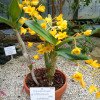
Dendrobium griffithianum (Lindl.)
-
Dendrobium grootingsii (J.J.Sm.)
-
Dendrobium grossum (Schltr.)
-
Dendrobium guamense (Ames)
-
Dendrobium guerreroi (Ames & Quisumb.)
-
Dendrobium guibertii (Carrière)
-
Dendrobium guttenbergii (J.J.Sm.)
-
Dendrobium guttulatum (Schltr.)
-
Dendrobium gynoglottis (Carr)
-
Dendrobium habbemense (P.Royen)
-
Dendrobium hainanense (Rolfe)
-
Dendrobium halmaheirense (J.J.Sm.)
-
Dendrobium hamadryas (Schltr.)
-
Dendrobium hamaticalcar (J.J.Wood & Dauncey)
-
Dendrobium hamatum (Rolfe)
-
Dendrobium hamiferum (P.J.Cribb)
-
Dendrobium hampelii (Cootes & Boos)
-
Dendrobium hancockii (Rolfe)
-
Dendrobium hansmeyerense (Ormerod)
-
Dendrobium hartleyi (Ormerod)
-
Dendrobium harveyanum (Rchb.f.)
-
Dendrobium hasseltii (Lindl.)
-
Dendrobium hastilabium (Kraenzl.)
-
Dendrobium hawkesii (A.H.Heller)
-
Dendrobium hekouense (Z.J.Liu & L.J.Chen)
-
Dendrobium helix (P.J.Cribb)
-
Dendrobium hellerianum (A.D.Hawkes)
-
Dendrobium hellwigianum (Kraenzl. ex Warb.)
-
Dendrobium hemimelanoglossum (Guillaumin)
-
Dendrobium hendersonii (A.D.Hawkes & A.H.Heller)
-
Dendrobium henryi (Schltr.)
-
Dendrobium hentyanum (Ormerod)
-
Dendrobium heokhuii (P.O'Byrne & J.J.Wood)
-
Dendrobium hepaticum (J.J.Sm.)
-
Dendrobium herbaceum (Lindl.)
2 -
Dendrobium hercoglossum (Rchb.f.)
-
Dendrobium herpetophytum (Schltr.)
-
Dendrobium hesperis ((Seidenf.) Schuit. & Peter B.Adams)
-
Dendrobium heterobulbum (Schltr.)
-
Dendrobium heterocarpum (Wall. ex Lindl.)
-
Dendrobium heteroglossum (Schltr.)
-
Dendrobium heteroideum (Blume)
-
Dendrobium heyneanum (Lindl.)
-
Dendrobium hippocrepiferum (Schltr.)
-
Dendrobium hirsutifolium (J.J.Wood)
-
Dendrobium hirtulum (Rolfe)
-
Dendrobium hispidum (A.Rich.)
-
Dendrobium hkinhumense (Ormerod & C.S.Kumar)
-
Dendrobium hocklengii (P.T.Ong)
-
Dendrobium hodgkinsonii (Rolfe)
-
Dendrobium hoftii (Ormerod)
-
Dendrobium hollandianum (J.J.Sm.)
-
Dendrobium holochilum (Schltr.)
-
Dendrobium homoglossum (Schltr.)
-
Dendrobium hooglandianum (Ormerod)
-
Dendrobium hookerianum (Lindl.)
-
Dendrobium hooveri (Ormerod)
-
Dendrobium hornei (S.Moore)
-
Dendrobium horstii (J.J.Sm.)
-
Dendrobium hosei (Ridl.)
-
Dendrobium hughii (Rchb.f.)
-
Dendrobium humboldtense (J.J.Sm.)
-
Dendrobium humicolle (Schltr.)
-
Dendrobium huoshanense (Z.Z.Tang & S.J.Cheng)
-
Dendrobium huttonii (Rchb.f.)
-
Dendrobium hydrophilum (J.J.Sm.)
2 -
Dendrobium hymenanthum (Rchb.f.)
-
Dendrobium hymenocentrum (Schltr.)
-
Dendrobium hymenopetalum (Schltr.)
-
Dendrobium hymenophyllum (Lindl.)
-
Dendrobium hymenopterum (Hook.f.)
-
Dendrobium hyperanthiflorum (Kraenzl.)
-
Dendrobium hypopogon (Kraenzl.)
-
Dendrobium ianthinum (Schuit. & Puspit.)
-
Dendrobium iboense (Schltr.)
-
Dendrobium igneoniveum (J.J.Sm.)
-
Dendrobium igneum (J.J.Sm.)
-
Dendrobium imbricatum (J.J.Sm.)
-
Dendrobium imitans (Schltr.)
-
Dendrobium imitator (J.J.Wood)
-
Dendrobium implicatum (Fukuy.)
-
Dendrobium inamoenum (Kraenzl.)
-
Dendrobium inauditum (Rchb.f.)
-
Dendrobium inconspicuum (J.J.Sm.)
-
Dendrobium inconstans (J.J.Sm.)
-
Dendrobium incumbens (Schltr.)
-
Dendrobium incurvatum (Schltr.)
-
Dendrobium incurvociliatum (J.J.Sm.)
-
Dendrobium incurvum (Lindl.)
-
Dendrobium indivisum ((Blume) Miq.)
4 -
Dendrobium indragiriense (Schltr.)
-
Dendrobium inflatum (Rolfe)
-
Dendrobium informe (J.J.Sm.)
-
Dendrobium infractum (J.J.Sm.)
-
Dendrobium infundibulum (Lindl.)
-
Dendrobium ingratum (J.J.Sm.)
-
Dendrobium insigne (Rchb.f. ex Miq.)
-
Dendrobium integrilabium (J.J.Sm.)
-
Dendrobium integrum (Schltr.)
2 -
Dendrobium interjectum (Ames)
-
Dendrobium interruptum (J.J.Sm.)
-
Dendrobium intricatum (Gagnep.)
-
Dendrobium inversum (J.Bradshaw ex Cortauld)
-
Dendrobium invitum (P.O'Byrne & J.J.Verm.)
-
Dendrobium involutum (Lindl.)
-
Dendrobium ionopus (Rchb.f.)
-
Dendrobium irinae (Ormerod)
-
Dendrobium isabelense (Ormerod)
-
Dendrobium ischnopetalum (Schltr.)
-
Dendrobium ischnophyton (Schltr.)
-
Dendrobium isochiloides (Kraenzl.)
-
Dendrobium isthmiferum (J.J.Sm.)
-
Dendrobium iteratum (J.J.Sm.)
-
Dendrobium jabiense (J.J.Sm.)
-
Dendrobium jacobsonii (J.J.Sm.)
-
Dendrobium jadunae (Schltr.)
-
Dendrobium jamirusii (J.J.Wood & A.L.Lamb)
-
Dendrobium jenkinsii (Lindl.)
-
Dendrobium jennae (P.O'Byrne)
-
Dendrobium jennyanum (Kraenzl.)
-
Dendrobium jerdonianum (Wight)
-
Dendrobium jiajiangense (Z.Y.Zhu, S.J.Zhu & H.B.Wang)
-
Dendrobium jimcootesii (Cabactulan & M.Leon)
-
Dendrobium jinghuanum (B.Q.Zheng & Yan Wang)
-
Dendrobium johannis (Rchb.f.)
-
Dendrobium johnsoniae (F.Muell.)
-
Dendrobium jonesii (Rendle)
2 -
Dendrobium josephinae (Cootes)
-
Dendrobium jubatum (Schuit. & de Vogel)
-
Dendrobium judithiae (P.O'Byrne)
-
Dendrobium junceum (Lindl.)
-
Dendrobium juncifolium (Schltr.)
-
Dendrobium juncoideum (P.Royen)
-
Dendrobium junctilobum ((Fessel & Lückel) Schuit. & Peter B.Adams)
-
Dendrobium juniperinum (Schltr.)
-
Dendrobium juniperinunl (Schltr.)
-
Dendrobium jyrdii (Cabactulan, Cootes, M.Leon & Pimentel)
-
Dendrobium kabanense (Cavestro)
-
Dendrobium kallarense (J.Mathew, K.V.George, Yohannan & K.Madhus.)
-
Dendrobium kanakorum (Kraenzl.)
-
Dendrobium kanburiense (Seidenf.)
-
Dendrobium kanchianum (Ormerod)
-
Dendrobium kaniense (Schltr.)
-
Dendrobium karoense (Schltr.)
-
Dendrobium katherinae (A.D.Hawkes)
-
Dendrobium kauldorumii (T.M.Reeve)
-
Dendrobium keithii (Ridl.)
-
Dendrobium kelamense (Metusala, P.O'Byrne & J.J.Wood)
-
Dendrobium kempfianum (Ormerod)
-
Dendrobium kempterianum (Schltr.)
-
Dendrobium kenepaiense (J.J.Sm.)
-
Dendrobium kentrochilum (Hook.f.)
-
Dendrobium kentrophyllum (Hook.f.)
-
Dendrobium kerstingianum (Schltr.)
-
Dendrobium ketrickkianum (P.O'Byrne, Gokusing & A.L.Lamb)
-
Dendrobium keytsianum (J.J.Sm.)
-
Dendrobium khanhoaense (Aver.)
-
Dendrobium khasianum (Deori)
-
Dendrobium kiamfeeanum (P.O'Byrne & J.J.Verm.)
-
Dendrobium kiauense (Ames & C.Schweinf.)
-
Dendrobium kietaense (Schltr.)
-
Dendrobium kinabaluense (Ridl. ex Stapf)
-
Dendrobium kingianum (Bidwill ex Lindl.)
3 -
Dendrobium kirchianum (A.D.Hawkes & A.H.Heller)
-
Dendrobium kjellbergii (J.J.Sm.)
-
Dendrobium klabatense (Schltr.)
-
Dendrobium klossii (Ridl.)
-
Dendrobium kontumense (Gagnep.)
-
Dendrobium koordersii (J.J.Sm.)
-
Dendrobium korthalsii (J.J.Sm.)
-
Dendrobium kotanicanum (Ormerod)
-
Dendrobium koyamae (Nob.Tanaka, T.Yukawa & J.Murata)
-
Dendrobium kraemeri (Schltr.)
-
Dendrobium kraenzlinii (L.O.Williams)
-
Dendrobium kratense (Kerr)
-
Dendrobium kruiense (J.J.Sm.)
-
Dendrobium kruizingae (de Vogel, E.Winkel & Vugt)
-
Dendrobium kurashigei (T.Yukawa)
-
Dendrobium kuyperi (J.J.Sm.)
-
Dendrobium kyrae (Handoyo, P.O'Byrne & Cootes)
-
Dendrobium labangense (J.J.Sm.)
-
Dendrobium labuanum (Lindl.)
-
Dendrobium laceratum (Schltr.)
-
Dendrobium laciniosum (Ridl.)
-
Dendrobium lacteum (Kraenzl.)
-
Dendrobium laevifolium (Stapf)
-
Dendrobium lagarum (Seidenf.)
-
Dendrobium lageniforme (J.J.Sm.)
-
Dendrobium lagorum (P.Royen)
-
Dendrobium lambii (J.J.Wood)
-
Dendrobium lamellatum (Lindl.)
-
Dendrobium lamelluliferum (J.J.Sm.)
-
Dendrobium lamii (J.J.Sm.)
-
Dendrobium lampongense (J.J.Sm.)
-
Dendrobium lamproglossum (Schltr.)
-
Dendrobium lamrianum (C.L.Chan)
-
Dendrobium lamyaiae (Seidenf.)
-
Dendrobium lancifolium (A.Rich.)
-
Dendrobium lancilabium (J.J.Sm.)
2 -
Dendrobium lancilobum (J.J.Wood)
2 -
Dendrobium langbianense (Gagnep.)
-
Dendrobium lankaviense (Ridl.)
-
Dendrobium lanuginosum (Ormerod)
-
Dendrobium lasianthera (J.J.Sm.)
-
Dendrobium lasioglossum (Rchb.f.)
-
Dendrobium latelabellatum (Gilli)
-
Dendrobium laterale (L.O.Williams)
-
Dendrobium latipetalum ((J.J.Sm.) Schuit.)
-
Dendrobium latoureoides ((Schltr.) J.J.Sm.)
-
Dendrobium laurensii (J.J.Sm.)
-
Dendrobium laurifolium ((Kraenzl.) J.J.Sm.)
-
Dendrobium lawesii (F.Muell.)
-
Dendrobium lawiense (J.J.Sm.)
-
Dendrobium laxiflorum (J.J.Sm.)
-
Dendrobium ledifolium (J.J.Sm.)
-
Dendrobium leeanum (O'Brien)
-
Dendrobium legareiense (J.J.Sm.)
-
Dendrobium leonis (Rchb.f.)
-
Dendrobium lepidochilum (Kraenzl.)
-
Dendrobium leporinum (J.J.Sm.)
-
Dendrobium leptocladum (Hayata)
-
Dendrobium leptophyton (Schuit. & de Vogel)
-
Dendrobium letocartiorum (Munzinger & M.Pignal)
-
Dendrobium leucochlorum (Rchb.f.)
-
Dendrobium leucocyanum (T.M.Reeve)
-
Dendrobium leucohybos (Schltr.)
-
Dendrobium levatii (Kraenzl.)
-
Dendrobium lewisiae (Schuit. & de Vogel)
-
Dendrobium libingtaoi (Q.Xu & Z.J.Liu)
-
Dendrobium lichenastrum ((F.Muell.) F.Muell. ex Rolfe)
-
Dendrobium limii (J.J.Wood)
-
Dendrobium limpidum (Schuit. & de Vogel)
2 -
Dendrobium linawianum (Rchb.f.)
-
Dendrobium lindleyi (Steud.)
-
Dendrobium lineale (Rolfe)
-
Dendrobium linearifolium (Teijsm. & Binn.)
-
Dendrobium linguella (Rchb.f.)
-
Dendrobium linguiforme (Sw.)
2 -
Dendrobium litorale (Schltr.)
-
Dendrobium lituiflorum (Lindl.)
-
Dendrobium lobatum (Miq.)
-
Dendrobium lobbii (Teijsm. & Binn.)
-
Dendrobium lobulatum (Rolfe & J.J.Sm.)
-
Dendrobium loddigesii (Rolfe)
-
Dendrobium loesenerianum (Schltr.)
-
Dendrobium lohanense (J.J.Wood)
-
Dendrobium loherianum (Kraenzl.)
-
Dendrobium lohohense (Tang & F.T.Wang)
-
Dendrobium lohokii (J.J.Wood & A.L.Lamb)
-
Dendrobium lomatochilum (Seidenf.)
-
Dendrobium lonchigerum (Schltr.)
-
Dendrobium longicaule (J.J.Sm.)
-
Dendrobium longicolle (Lindl.)
-
Dendrobium longicornu (Lindl.)
-
Dendrobium longipedicellatum (de Vogel)
-
Dendrobium longipes (Hook.f.)
-
Dendrobium longiramense (J.J.Wood & P.O'Byrne)
-
Dendrobium longirepens (Ames & C.Schweinf.)
-
Dendrobium longissimum (Schltr.)
-
Dendrobium lowii (Lindl.)
-
Dendrobium lucens (Rchb.f.)
-
Dendrobium lueckelianum (Fessel & M.Wolff)
-
Dendrobium lumakuense (J.J.Wood)
-
Dendrobium lunatum (Lindl.)
-
Dendrobium luoi (L.J.Chen & W.H.Rao)
-
Dendrobium luteocilium (Rupp)
-
Dendrobium luteolum (Bateman)
-
Dendrobium luxurians (J.J.Sm.)
-
Dendrobium luzonense (Lindl.)
-
Dendrobium lydiae (Cootes, M.Leon & Naive)
-
Dendrobium maccarthiae ([Thw.])
-
Dendrobium macfarlanei (F.Muell.)
-
Dendrobium macraei (Lindl.)
-
Dendrobium macranthum (A.Rich.)
-
Dendrobium macraporum (J.J.Sm.)
-
Dendrobium macrifolium (J.J.Sm.)
-
Dendrobium macrogenion (Schltr.)
-
Dendrobium macrolobum (J.J.Sm.)
-
Dendrobium macrophyllum (A.Rich.)
2 -
Dendrobium macropodum (Hook.f.)
-
Dendrobium macropus ((Endl.) Rchb.f. ex Lindl.)
-
Dendrobium macrostachyum (Lindl.)
-
Dendrobium macrostigma (J.J.Sm.)
-
Dendrobium macrum (Schltr.)
-
Dendrobium maculosum (J.J.Sm.)
-
Dendrobium magistratus (P.J.Cribb)
-
Dendrobium magnilabre ((P.J.Cribb & B.A.Lewis) Schuit. & Peter B.Adams)
-
Dendrobium maidenianum (Schltr.)
-
Dendrobium maierae (J.J.Sm.)
-
Dendrobium malacanthum (Kraenzl.)
-
Dendrobium malbrownii (Dockrill)
-
Dendrobium maliliense (J.J.Sm.)
-
Dendrobium malvicolor (Ridl.)
-
Dendrobium mamasaense (P.O'Byrne & J.J.Verm.)
-
Dendrobium mamberamense (J.J.Sm.)
-
Dendrobium mambo (Ormerod)
-
Dendrobium mannii (Ridl.)
-
Dendrobium maraiparense (J.J.Wood & C.L.Chan)
-
Dendrobium margaretiae (T.M.Reeve)
-
Dendrobium mariae (Schuit. & Peter B.Adams)
-
Dendrobium marmoratum (Rchb.f.)
-
Dendrobium masarangense (Schltr.)
3 -
Dendrobium matapense (Ormerod)
-
Dendrobium mayandyi (T.M.Reeve & Renz)
-
Dendrobium megaceras (Hook.f.)
-
Dendrobium meiernianum (P.O'Byrne, P.T.Ong & J.J.Wood)
-
Dendrobium mekynosepalum (Schltr.)
-
Dendrobium melanostictum (Schltr.)
-
Dendrobium melanotrichum (Schltr.)
-
Dendrobium melinanthum (Schltr.)
-
Dendrobium meliodorum (Schltr.)
-
Dendrobium mellicolor (J.J.Sm.)
-
Dendrobium merrillii (Ames)
-
Dendrobium metachilinum (Rchb.f.)
-
Dendrobium metrium (Kraenzl.)
-
Dendrobium microbolbon (A.Rich.)
-
Dendrobium microglaphys (Rchb.f.)
-
Dendrobium micronephelium (J.J.Sm.)
-
Dendrobium microphyton (L.O.Williams)
-
Dendrobium milaniae (Fessel & Lückel)
-
Dendrobium militare (P.J.Cribb)
-
Dendrobium millarae (A.D.Hawkes)
-
Dendrobium mimicum ((Ormerod) Schuit. & Peter B.Adams)
-
Dendrobium mindanaense (Ames)
-
Dendrobium minimiflorum (Gilli)
-
Dendrobium minimum (Ames & C.Schweinf.)
-
Dendrobium minusculum (Aver.)
-
Dendrobium mirandum (Schltr.)
-
Dendrobium mirbelianum (Gaudich.)
-
Dendrobium mischobulbum (Schltr.)
-
Dendrobium miserum (Rchb.f.)
-
Dendrobium misoanum (Ormerod)
-
Dendrobium miyasakii (Ames & Quisumb.)
-
Dendrobium mizanii (Rusea & Besi)
-
Dendrobium modestum (Rchb.f.)
-
Dendrobium mohlianum (Rchb.f.)
2 -
Dendrobium moiorum (Saputra, Schuit., Wanma & Naive)
-
Dendrobium moirianum (A.D.Hawkes)
-
Dendrobium molle (J.J.Sm.)
-
Dendrobium moniliforme ((L.) Sw.)
-
Dendrobium monophyllum (F.Muell.)
-
Dendrobium montanum (J.J.Sm.)
-
Dendrobium montedeakinense (F.M.Bailey)
-
Dendrobium monticola (P.F.Hunt & Summerh.)
-
Dendrobium montis-hosei (J.J.Wood)
-
Dendrobium montis-sellae (Kraenzl.)
-
Dendrobium montis-yulei (Kraenzl.)
-
Dendrobium mooreanum (Lindl.)
-
Dendrobium moorei (F.Muell.)
-
Dendrobium moquetteanum (J.J.Sm.)
-
Dendrobium morio (P.O'Byrne, J.J.Verm. & P.K.F.Leong)
-
Dendrobium morotaiense (J.J.Sm.)
-
Dendrobium morrisonii (Schltr.)
-
Dendrobium mortii (F.Muell.)
-
Dendrobium moschatum ((Buch.-Ham.) Sw.)
-
Dendrobium mucronatum (Seidenf.)
-
Dendrobium mucrovaginatum (Metusala & J.J.Wood)
-
Dendrobium mulderi (Schuit. & de Vogel)
-
Dendrobium multifolium (Schltr.)
-
Dendrobium multilineatum (Kerr)
-
Dendrobium multiramosum (Ames)
-
Dendrobium multistriatum (J.J.Sm.)
-
Dendrobium muluense (J.J.Wood)
-
Dendrobium munificum (Schltr.)
-
Dendrobium muricatum (Finet)
-
Dendrobium muriciferum ((J.J.Sm.) Ormerod)
-
Dendrobium mussauense (Ormerod)
-
Dendrobium mutabile (Lindl.)
-
Dendrobium nabawanense (J.J.Wood & A.Lamb)
-
Dendrobium nafisae (Cavestro)
-
Dendrobium nagataksaka (Metusala)
-
Dendrobium nageswarayanum (Chowlu)
-
Dendrobium nakaharae (Schltr.)
-
Dendrobium nakaharaei (Schltr.)
-
Dendrobium nangajuense (C.Y.Ling & P.O'Byrne)
-
Dendrobium nanocompactum (Seidenf.)
-
Dendrobium nanum (Hook.f.)
-
Dendrobium naqii (Cavestro)
-
Dendrobium nardoides (Schltr.)
-
Dendrobium nareshbahadurii (H.B.Naithani)
-
Dendrobium nathanielis (Rchb.f.)
-
Dendrobium nativitatis (Ridl.)
-
Dendrobium naungmungense (Q.Liu & X.H.Jin)
-
Dendrobium navicula (Kraenzl.)
-
Dendrobium nazaretii ((P.O'Byrne & J.J.Verm.) Schuit. & Peter B.Adams)
-
Dendrobium nebularum (Schltr.)
-
Dendrobium neglectum (Gagnep.)
-
Dendrobium nemorale (L.O.Williams)
-
Dendrobium neoguineense (A.D.Hawkes & A.H.Heller)
-
Dendrobium neospectabile (J.M.H.Shaw)
-
Dendrobium nephrolepidis (Schltr.)
-
Dendrobium neuroglossum (Schltr.)
-
Dendrobium ngoyense (Schltr.)
-
Dendrobium nieuwenhuisii (J.J.Sm.)
-
Dendrobium nigricans (Schltr.)
-
Dendrobium nimium (J.J.Sm.)
-
Dendrobium nindii (W.Hill)
-
Dendrobium nitidicolle (J.J.Sm.)
-
Dendrobium nitidissimum (Rchb.f.)
-
Dendrobium niueense (Ormerod)
-
Dendrobium niveobarbatum (Cootes)
-
Dendrobium niveopurpureum (J.J.Sm.)
-
Dendrobium njongense (Schltr.)
-
Dendrobium nobile (Lindl.)
-
Dendrobium nodosum (Dalzell)
-
Dendrobium noesae (J.J.Sm.)
-
Dendrobium normanbyense (P.J.Spence)
-
Dendrobium nothofageti ((M.A.Clem. & D.L.Jones) Schuit. & de Vogel)
-
Dendrobium nothofagicola (T.M.Reeve)
-
Dendrobium novobritannicum (de Vogel)
-
Dendrobium nubigenum (Schltr.)
-
Dendrobium nudum (Lindl.)
-
Dendrobium numaldeorii (C.Deori, Hynn. & Phukan)
-
Dendrobium nummularia (Schltr.)
-
Dendrobium nutantiflorum (A.D.Hawkes & A.H.Heller)
-
Dendrobium nycteridoglossum (Rchb.f.)
-
Dendrobium obchantiae (Promm., Suddee & Kidyoo)
-
Dendrobium obcordatum (J.J.Sm.)
-
Dendrobium obcuneatum (F.M.Bailey)
-
Dendrobium obliquum (Schltr.)
-
Dendrobium oblongimentum (Hosok. & Fukuy.)
-
Dendrobium obovatum (Schltr.)
-
Dendrobium obreniforme (Schuit. & Peter B.Adams)
-
Dendrobium obrienianum (Kraenzl.)
-
Dendrobium obscure-auriculatum (Gilli)
-
Dendrobium obtusum (Schltr.)
-
Dendrobium obyrnei ((W.K.Harris) Schuit. & de Vogel)
-
Dendrobium ochraceum (De Wild.)
-
Dendrobium ochranthum (Schltr.)
-
Dendrobium ochreatum (Lindl.)
-
Dendrobium ochroleucum (Teijsm. & Binn.)
-
Dendrobium ochthochilum (P.O'Byrne & J.J.Verm.)
-
Dendrobium odoardi (Kraenzl.)
-
Dendrobium odontopus (Schltr.)
-
Dendrobium odoratum (Schltr.)
-
Dendrobium officinale (Kimura & Migo)
-
Dendrobium okabeanum (Tuyama)
-
Dendrobium okinawense (Hatus. & Ida)
-
Dendrobium oliganthum (Schltr.)
-
Dendrobium oligophyllum (Gagnep.)
-
Dendrobium olivaceum (J.J.Sm.)
-
Dendrobium omissum (Schuit. & Peter B.Adams)
-
Dendrobium opilionites (Schltr.)
-
Dendrobium oppositifolium ((Kraenzl.) N.Hallé)
-
Dendrobium optimuspatruus (P.O'Byrne & J.J.Verm.)
-
Dendrobium orbilobulatum (Fessel & Lückel)
-
Dendrobium oreodoxa (Schltr.)
-
Dendrobium orientale (J.J.Sm.)
-
Dendrobium ormerodii (Handoyo, Naive & J.Champ.)
-
Dendrobium ornatum (Ormerod & Juswara)
-
Dendrobium ornithoflorum (Ames)
-
Dendrobium osmophytopsis (Kraenzl.)
-
Dendrobium ostrinum (J.J.Sm.)
2 -
Dendrobium otaguroanum (A.D.Hawkes)
-
Dendrobium ou-hinnae (Schltr.)
-
Dendrobium ovatifolium (Ridl.)
-
Dendrobium ovatipetalum (J.J.Sm.)
-
Dendrobium ovatum (Kraenzl.)
-
Dendrobium ovipostoriferum (J.J.Sm.)
-
Dendrobium oxychilum (Schltr.)
-
Dendrobium paathii (J.J.Sm.)
-
Dendrobium pachyanthum (Schltr.)
-
Dendrobium pachyceras (F.Muell. & Kraenzl.)
-
Dendrobium pachyglossum (C.S.P.Parish & Rchb.f.)
-
Dendrobium pachyphyllum ((Kuntze) Bakh.f.)
-
Dendrobium pachystele (Schltr.)
-
Dendrobium pachythrix (T.M.Reeve & P.Woods)
-
Dendrobium pacificum (M.A.Clem. & P.J.Spence)
-
Dendrobium padangense (Schltr.)
-
Dendrobium pahangense (Carr)
-
Dendrobium paitanense (J.J.Wood)
-
Dendrobium palawense (Schltr.)
-
Dendrobium palmerianum (Ormerod)
-
Dendrobium palpebrae (Lindl.)
-
Dendrobium panduratum (Lindl.)
2 -
Dendrobium panduriferum (Hook.f.)
-
Dendrobium pangunaense ((Ormerod) Schuit. & Peter B.Adams)
-
Dendrobium pantherinum (Schltr.)
-
Dendrobium papilio (Loher)
-
Dendrobium papilionaceum ((Cootes & M.A.Clem.) Naive & Alejandro)
-
Dendrobium papilioniferum (J.J.Sm.)
-
Dendrobium papillilabium (J.J.Sm.)
-
Dendrobium papuanum (J.J.Sm.)
-
Dendrobium papyraceum (J.J.Sm.)
-
Dendrobium paradoxum (Teijsm. & Binn.)
-
Dendrobium paragnomus (Ormerod)
-
Dendrobium parahendersonii (Vuong, Aver. & V.C.Nguyen)
-
Dendrobium parciflorum (Rchb.f. ex Lindl.)
-
Dendrobium parcum (Rchb.f.)
-
Dendrobium pardalinum (Rchb.f.)
-
Dendrobium parietiforme (J.J.Sm.)
-
Dendrobium parishii (Rchb.f.)
-
Dendrobium parnatanum (Cavestro)
-
Dendrobium parthenium (Rchb.f.)
-
Dendrobium particolor (Ormerod)
-
Dendrobium parvibulbum (de Vogel)
-
Dendrobium parvifolium (J.J.Sm.)
-
Dendrobium parvilobum (Schltr.)
-
Dendrobium parvulum (Rolfe)
3 -
Dendrobium paspalifolium (J.J.Sm.)
-
Dendrobium patentifiliforme (Hosok.)
-
Dendrobium patentilobum (Ames & C.Schweinf.)
-
Dendrobium patentissimum (J.J.Sm.)
-
Dendrobium patulum (Schltr.)
-
Dendrobium paucilaciniatum (J.J.Sm.)
-
Dendrobium pectinatum (Finet)
-
Dendrobium peculiare (J.J.Sm.)
-
Dendrobium pedicellatum (J.J.Sm.)
-
Dendrobium pemae (Schltr.)
-
Dendrobium pendulum (Roxb.)
-
Dendrobium pensile (Ridl.)
-
Dendrobium pentanema (Schltr.)
-
Dendrobium pentapterum (Schltr.)
-
Dendrobium percnanthum (Rchb.f.)
-
Dendrobium pergracile (Ames)
-
Dendrobium peripetasma (P.O'Byrne & J.J.Verm.)
-
Dendrobium perlongum (Schltr.)
-
Dendrobium perpaulum (Seidenf.)
-
Dendrobium perplexum (Phueakkhlai, Sungkaew & H.A.Pedersen)
-
Dendrobium perulatum (Gagnep.)
-
Dendrobium petiolatum (Schltr.)
-
Dendrobium petrophilum ((Kraenzl.) Garay ex N.Hallé)
-
Dendrobium phaeanthum (Schltr.)
-
Dendrobium phalangillum (J.J.Sm.)
-
Dendrobium phalangium (Schltr.)
-
Dendrobium phillipsii (Ames & Quisumb.)
-
Dendrobium phragmitoides (Schltr.)
-
Dendrobium phuketense (Schuit. & Peter B.Adams)
-
Dendrobium pictum (Lindl.)
-
Dendrobium piestocaulon (Schltr.)
2 -
Dendrobium pililobum (J.J.Sm.)
-
Dendrobium pinifolium (Ridl.)
-
Dendrobium piranha (C.L.Chan & P.J.Cribb)
-
Dendrobium planibulbe (Lindl.)
-
Dendrobium planicaule (Ridl.)
-
Dendrobium planum (J.J.Sm.)
-
Dendrobium platybasis (Ridl.)
-
Dendrobium platycaulon (Rolfe)
-
Dendrobium platyclinoides (J.J.Sm.)
-
Dendrobium platygastrium (Rchb.f.)
-
Dendrobium platylobum ((Schltr.) J.J.Sm.)
-
Dendrobium platyphyllum (Schltr.)
-
Dendrobium pleasancium (P.O'Byrne & J.J.Verm.)
-
Dendrobium plebeium (J.J.Sm.)
-
Dendrobium plebejum (J.J.Sm.)
-
Dendrobium pleianthum (Schltr.)
-
Dendrobium pleurodes (Schltr.)
-
Dendrobium pleurothalloides (Kraenzl.)
-
Dendrobium plicatile (Lindl.)
-
Dendrobium plumilobum (J.J.Sm.)
-
Dendrobium podocarpifolium (Schltr.)
-
Dendrobium podochiloides (Schltr.)
-
Dendrobium poerwantii (Cavestro)
-
Dendrobium pogonantherum (J.J.Sm.)
-
Dendrobium pogoniates (Rchb.f.)
-
Dendrobium pohnpeiense (Schuit. & Peter B.Adams)
-
Dendrobium poissonianum (Schltr.)
-
Dendrobium polyanthum (Wall.)
-
Dendrobium polycladium (Rchb.f.)
2 -
Dendrobium polyphyllum (Schltr.)
-
Dendrobium polyrhopalon (Ormerod)
-
Dendrobium polyschistum (Schltr.)
2 -
Dendrobium polysema (Schltr.)
-
Dendrobium polytrichum (Ames)
-
Dendrobium ponapense (Schltr.)
-
Dendrobium poneroides (Schltr.)
-
Dendrobium popaense (T.Yukawa & Nob.Tanaka)
-
Dendrobium porphyrochilum (Lindl.)
-
Dendrobium potamophila (Schltr.)
-
Dendrobium potamophilum (J.J.Sm.)
-
Dendrobium praecinctum (Rchb.f.)
-
Dendrobium praemorsum (Schuit. & de Vogel)
-
Dendrobium praetermissum (Seidenf.)
-
Dendrobium prasinum (Lindl.)
-
Dendrobium prianganense (J.J.Wood & J.B.Comber)
-
Dendrobium primulinum (Lindl.)
-
Dendrobium procerum (Schltr.)
-
Dendrobium procumbens (Carr)
-
Dendrobium profusum (Rchb.f.)
-
Dendrobium prostheciglossum (Schltr.)
-
Dendrobium prostratum (Ridl.)
-
Dendrobium proteranthum (Seidenf.)
-
Dendrobium protractum (Dauncey)
-
Dendrobium pruinosum (Teijsm. & Binn.)
-
Dendrobium pseudoaloifolium (J.J.Wood)
-
Dendrobium pseudoaprinum (J.J.Sm.)
-
Dendrobium pseudocalceolum (J.J.Sm.)
-
Dendrobium pseudoclavator (J.J.Wood)
-
Dendrobium pseudoconanthum (J.J.Sm.)
-
Dendrobium pseudoconvexum (Ames)
-
Dendrobium pseudoequitans (Fessel & Lückel)
-
Dendrobium pseudoglomeratum (T.M.Reeve & J.J.Wood)
-
Dendrobium pseudointricatum (Guillaumin)
-
Dendrobium pseudokurashigei (J.J.Wood)
-
Dendrobium pseudolamellatum (J.J.Wood & A.L.Lamb)
-
Dendrobium pseudopeloricum (J.J.Sm.)
-
Dendrobium pseudorarum (Dauncey)
2 -
Dendrobium pseudostriatellum (J.J.Wood & P.O'Byrne)
-
Dendrobium pseudotenellum (Guillaumin)
-
Dendrobium puberulilingue (J.J.Sm.)
-
Dendrobium pugioniforme (A.Cunn.)
-
Dendrobium pulchellum (Roxb. ex Lindl.)
-
Dendrobium pulleanum (J.J.Sm.)
-
Dendrobium pullenianum (Ormerod)
-
Dendrobium pulvilliferum (Schltr.)
-
Dendrobium pulvinatum (Schltr.)
-
Dendrobium punamense (Schltr.)
-
Dendrobium punbatuense (J.J.Wood)
-
Dendrobium puncticulosum (J.J.Sm.)
-
Dendrobium puniceum (Ridl.)
-
Dendrobium purpureiflorum (J.J.Sm.)
-
Dendrobium purpureoflavescens (Ormerod)
-
Dendrobium purpureogriseum (P.O'Byrne & J.J.Verm.)
-
Dendrobium purpureostelidium (Ames)
-
Dendrobium purpureum (Roxb.)
2 -
Dendrobium putnamii (A.D.Hawkes & A.H.Heller)
-
Dendrobium pycnostachyum (Lindl.)
-
Dendrobium quadricarinatum (de Vogel)
-
Dendrobium quadriferum (Schltr.)
-
Dendrobium quadrilobatum (Carr)
-
Dendrobium quinquecallosum (J.J.Sm.)
-
Dendrobium quinquecaudatum (J.J.Sm.)
-
Dendrobium quinquedentatum (J.J.Sm.)
-
Dendrobium quinquelobatum (Schltr.)
-
Dendrobium quinquelobum (J.J.Sm.)
-
Dendrobium quisumbingii (A.D.Hawkes & A.H.Heller)
-
Dendrobium rabani (Lindl.)
-
Dendrobium racemosum ((Nicholls) Clemesha & Dockrill)
-
Dendrobium rachmatii (J.J.Sm.)
-
Dendrobium racieanum (Cavestro)
-
Dendrobium radians (Rchb.f.)
-
Dendrobium radicosum (Ridl.)
-
Dendrobium ramificans (J.J.Sm.)
-
Dendrobium ramosii (Ames)
-
Dendrobium rantii (J.J.Sm.)
-
Dendrobium rariflorum (J.J.Sm.)
-
Dendrobium rarum (Schltr.)
3 -
Dendrobium ravanii (Cootes)
-
Dendrobium rechingerorum (Schltr.)
-
Dendrobium reconditum (Schuit. & Peter B.Adams)
-
Dendrobium recurvatum (J.J.Sm.)
-
Dendrobium recurvifolium (J.J.Sm.)
-
Dendrobium recurvilabre (J.J.Sm.)
-
Dendrobium reflexitepalum (J.J.Sm.)
-
Dendrobium reflexum (Schuit. & de Vogel)
-
Dendrobium refractum (Teijsm. & Binn.)
-
Dendrobium regale (Schltr.)
-
Dendrobium reginanivis (P.O'Byrne & J.J.Verm.)
-
Dendrobium regium (Prain)
-
Dendrobium reineckei (Schltr.)
-
Dendrobium remotisepalum (J.J.Sm.)
-
Dendrobium rennellii (P.J.Cribb)
-
Dendrobium repandum (Schuit. & de Vogel)
-
Dendrobium restrepioides ((W.Suarez & M.A.Clem.) J.M.H.Shaw)
-
Dendrobium revolutum (Lindl.)
-
Dendrobium reypimentelii (Cootes, Cabactulan & M.Leon)
-
Dendrobium rhabdoglossum (Schltr.)
-
Dendrobium rhipidolobum (Schltr.)
-
Dendrobium rhodobalion (Schltr.)
-
Dendrobium rhodocentrum (Rchb.f.)
-
Dendrobium rhodochilum ((Ferreras & Cootes) Schuit. & Peter B.Adams)
-
Dendrobium rhodostele (Ridl.)
-
Dendrobium rhodostictum (F.Muell. & Kraenzl. ex Kraenzl.)
-
Dendrobium rhombeum (Lindl.)
-
Dendrobium rhombopetalum (Kraenzl.)
-
Dendrobium rhytidothece (Schltr.)
-
Dendrobium rickscottianum (P.O'Byrne & J.J.Verm.)
-
Dendrobium ridleyanum (Schltr.)
-
Dendrobium rigidifolium (Rolfe)
-
Dendrobium rigidum (R.Br.)
-
Dendrobium rindjaniense (J.J.Sm.)
-
Dendrobium riparium (J.J.Sm.)
-
Dendrobium ritaeanum (King & Pantl.)
-
Dendrobium roseatum (Ridl.)
-
Dendrobium roseicolor (A.D.Hawkes & A.H.Heller)
-
Dendrobium roseiodorum (Sathap., T.Yukawa & Seelanan)
-
Dendrobium roseipes (Schltr.)
-
Dendrobium rosellum (Ridl.)
-
Dendrobium roseo-nervatum (Schltr.)
-
Dendrobium roseoflavidum (Schltr.)
-
Dendrobium roseonervatum (Schltr.)
-
Dendrobium roseopunctatum (Ridl.)
-
Dendrobium roseosparsum (P.O'Byrne & J.J.Verm.)
-
Dendrobium roseostriatum (Ridl.)
-
Dendrobium rotundatum (Hook.f.)
-
Dendrobium rubroflavum (Ormerod & Naive)
-
Dendrobium rubrostriatum (Metusala, P.O'Byrne & J.J.Wood)
-
Dendrobium ruckeri (Lindl.)
-
Dendrobium ruginosum (Ames)
-
Dendrobium rugosum (Lindl.)
-
Dendrobium rugulosum (J.J.Sm.)
-
Dendrobium rumphiae (Rchb.f.)
-
Dendrobium rupestre (J.J.Sm.)
-
Dendrobium rupicola (Ridl.)
-
Dendrobium rupicoloides (J.M.H.Shaw)
-
Dendrobium ruseae (Besi & Dome)
-
Dendrobium rutriferum (Rchb.f.)
-
Dendrobium ruttenii (J.J.Sm.)
-
Dendrobium sabahense (J.J.Wood)
-
Dendrobium sacculiferum (J.J.Sm.)
-
Dendrobium sagin (Saputra & Schuit.)
-
Dendrobium sagittatum (J.J.Sm.)
-
Dendrobium salaccense (Lindl.)
-
Dendrobium salicifolium (J.J.Sm.)
-
Dendrobium salmoneum (Schltr.)
-
Dendrobium salomonense (Schltr.)
-
Dendrobium sambasanum (J.J.Sm.)
-
Dendrobium samoense (P.J.Cribb)
-
Dendrobium sancristobalense (P.J.Cribb)
-
Dendrobium sanderae (Rolfe)
-
Dendrobium sandsii (J.J.Wood & C.L.Chan)
-
Dendrobium sanguinolentum (Lindl.)
-
Dendrobium sanseiense (Hayata)
-
Dendrobium sarawakense (Ames)
-
Dendrobium sarcochilus (Finet)
2 -
Dendrobium sarcophyllum (Schltr.)
-
Dendrobium sarmentosum (Rolfe)
-
Dendrobium savannicola (Schltr.)
-
Dendrobium sayeri (Schltr.)
-
Dendrobium scabrilingue (Lindl.)
-
Dendrobium schettleri (Cootes, Cabactulan, R.B.Pimentel & M.Leon)
-
Dendrobium schinzii (Rolfe)
-
Dendrobium schistoglossum (Schltr.)
-
Dendrobium schneiderae (F.M.Bailey)
2 -
Dendrobium schoeninum (Lindl.)
-
Dendrobium schouteniense (J.J.Sm.)
-
Dendrobium schuetzei (Rolfe)
-
Dendrobium schuitemanii (Thoerle & P.O'Byrne)
-
Dendrobium schulleri (J.J.Sm.)
-
Dendrobium schwartzkopfianum (Kraenzl.)
-
Dendrobium schweinfurthianum (A.D.Hawkes & A.H.Heller)
-
Dendrobium scirpoides (Schltr.)
-
Dendrobium scopa (Lindl.)
-
Dendrobium scopula (Schltr.)
-
Dendrobium scoriarum (W.W.Sm.)
-
Dendrobium scorpionis (Ormerod)
-
Dendrobium scotiiforme (J.J.Sm.)
-
Dendrobium sculptum (Rchb.f.)
-
Dendrobium secundum ((Blume) Lindl. ex Wall.)
-
Dendrobium sematoglossum (Schltr.)
-
Dendrobium semendoense (Romiyadi, Sumardi & Cootes)
-
Dendrobium senggiense (de Vogel)
-
Dendrobium senile (Parish ex Rchb.f.)
-
Dendrobium sepikanum (Schltr.)
-
Dendrobium septemcostulatum (J.J.Sm.)
-
Dendrobium seranicum (J.J.Sm.)
-
Dendrobium serena-alexianum (J.J.Wood & A.L.Lamb)
-
Dendrobium serratilabium (L.O.Williams)
-
Dendrobium serratipetalum (Schltr.)
-
Dendrobium sessanicum (Apang)
-
Dendrobium setifolium (Ridl.)
-
Dendrobium setosum (Schltr.)
-
Dendrobium sexcostatum (de Vogel)
-
Dendrobium shearmanii (Schuit. & de Vogel)
-
Dendrobium shiraishii (T.Yukawa & M.Nishida)
-
Dendrobium shixingense (Z.L.Chen, S.J.Zeng & J.Duan)
-
Dendrobium shompenii (B.K.Sinha & P.S.N.Rao)
-
Dendrobium shramii (Ormerod)
-
Dendrobium siberutense (J.J.Sm.)
-
Dendrobium sibilense (Ormerod)
-
Dendrobium sibuyanense (Lubag-Arquiza, Naranja, Baldos & Sacdalan)
-
Dendrobium sidikalangense (Dauncey)
-
Dendrobium siewhongii ((P.O'Byrne) J.M.H.Shaw)
-
Dendrobium signatum (Rchb.f.)
-
Dendrobium similissimum (Ormerod)
-
Dendrobium simondii (Gagnep.)
-
Dendrobium simplex (J.J.Sm.)
-
Dendrobium singaporense (A.D.Hawkes & A.H.Heller)
-
Dendrobium singkawangense (J.J.Sm.)
-
Dendrobium singulare (Ames & C.Schweinf.)
-
Dendrobium sinianum (P.O'Byrne)
-
Dendrobium sinominutiflorum (S.C.Chen, J.J.Wood & H.P.Wood)
-
Dendrobium sinsuronense (J.J.Wood)
-
Dendrobium sinuosum (Ames)
-
Dendrobium sirophyton (Schuit. & de Vogel)
-
Dendrobium sitanalae (J.J.Sm.)
-
Dendrobium sladei (J.J.Wood & P.J.Cribb)
-
Dendrobium sleumeri (Ormerod)
-
Dendrobium smillieae (F.Muell.)
-
Dendrobium smithianum (Schltr.)
-
Dendrobium solomonense ((Carr) Schuit. & Peter B.Adams)
-
Dendrobium somai (Hayata)
-
Dendrobium soriense (Howcroft)
-
Dendrobium sororium (Schltr.)
-
Dendrobium spatella (Rchb.f.)
-
Dendrobium spathilabium (Ames & C.Schweinf.)
-
Dendrobium spathilingue (J.J.Sm.)
-
Dendrobium spathipetalum (J.J.Sm.)
-
Dendrobium spathulatum (L.O.Williams)
-
Dendrobium speciokingianum (T.Lawr.)
-
Dendrobium speciosum (Sm.)
11 -
Dendrobium speckmaieri (Fessel & Lückel)
-
Dendrobium spectabile (Miq.)
-
Dendrobium spectatissimum (Rchb.f.)
-
Dendrobium speculum (J.J.Sm.)
-
Dendrobium spenceanum (Ormerod)
-
Dendrobium sphenochilum (F.Muell. & Kraenzl.)
-
Dendrobium spiculatum (Schuit.)
-
Dendrobium spinuliferum (Ormerod)
-
Dendrobium spurium (J.J.Sm.)
-
Dendrobium squamiferum (J.J.Sm.)
-
Dendrobium steatoglossum (Rchb.f.)
-
Dendrobium steinii (J.J.Sm.)
-
Dendrobium stelidiiferum (J.J.Sm.)
-
Dendrobium stella-silvae (Ames)
-
Dendrobium stellaportus (Ormerod)
-
Dendrobium stellare (Dauncey)
-
Dendrobium stelliferum (J.J.Sm.)
-
Dendrobium stenocentrum (Schltr.)
-
Dendrobium stenoglossum (Gagnep.)
-
Dendrobium stenophyllum (Schltr.)
-
Dendrobium stenophytoides ((P.O'Byrne & J.J.Verm.) Schuit. & Peter B.Adams)
-
Dendrobium stenophyton (Schltr.)
-
Dendrobium stictanthum (Schltr.)
-
Dendrobium stipiticola (Ormerod)
-
Dendrobium stockelbuschii (Schettler)
-
Dendrobium stockeri (T.Yukawa)
-
Dendrobium stolleanum (Schltr.)
-
Dendrobium stratiotes (Rchb.f.)
-
Dendrobium straussianum (Schltr.)
-
Dendrobium strebloceras (Rchb.f.)
-
Dendrobium strepsiceros (J.J.Sm.)
-
Dendrobium stricticalcarum (W.Suarez & Cootes)
-
Dendrobium striolatum (Rchb.f.)
-
Dendrobium strongylanthum (Rchb.f.)
-
Dendrobium strongyloflorum (J.J.Wood)
-
Dendrobium stuposum (Lindl.)
-
Dendrobium subacaule (Reinw. ex Lindl.)
-
Dendrobium subansiriense (D.Verma & Barbhuiya)
-
Dendrobium subbilobatum (Schltr.)
-
Dendrobium subcarinatum (Ormerod)
-
Dendrobium subclausum (Rolfe)
3 -
Dendrobium subelobatum (J.J.Sm.)
-
Dendrobium subfalcatum (J.J.Sm.)
-
Dendrobium subflavidum (Ridl.)
-
Dendrobium subintegrum ((P.J.Cribb & B.A.Lewis) Schuit. & Peter B.Adams)
-
Dendrobium sublobatum (J.J.Sm.)
-
Dendrobium subpandifolium (J.J.Sm.)
-
Dendrobium subpetiolatum (Schltr.)
-
Dendrobium subquadratum (J.J.Sm.)
-
Dendrobium subradiatum (J.J.Sm.)
-
Dendrobium subretusum (J.J.Sm.)
-
Dendrobium subserratum (Schltr.)
-
Dendrobium subtricostatum (J.J.Sm.)
-
Dendrobium subulatoides (Schltr.)
-
Dendrobium subulatum (Lindl.)
-
Dendrobium subuliferum (J.J.Sm.)
-
Dendrobium suffusum (Cady)
-
Dendrobium sulcatum (Lindl.)
-
Dendrobium sulphureum (Schltr.)
3 -
Dendrobium summerhayesianum (A.D.Hawkes & A.H.Heller)
-
Dendrobium superans (J.J.Sm.)
-
Dendrobium sutepense (Rolfe ex Downie)
-
Dendrobium sutiknoi (P.O'Byrne)
-
Dendrobium suzukii (T.Yukawa)
-
Dendrobium swartzii (A.D.Hawkes & A.H.Heller)
-
Dendrobium sylvanum (Rchb.f.)
-
Dendrobium taeniocaule (Schuit., Juswara & Droissart)
-
Dendrobium takadui (J.J.Sm.)
-
Dendrobium tampangii (P.O'Byrne)
-
Dendrobium tangerinum (P.J.Cribb)
-
Dendrobium tanjiewhoei (J.J.Wood & C.L.Chan)
-
Dendrobium tapiniense (T.M.Reeve)
-
Dendrobium taprobanium (Atthan., Priyad., Wijew., Aberathna, Peabot. & Kumar)
-
Dendrobium tarawalla (Ormerod)
-
Dendrobium taurinum (Lindl.)
-
Dendrobium taurulinum (J.J.Sm.)
-
Dendrobium taveuniense (Dauncey & P.J.Cribb)
-
Dendrobium tawauense (J.J.Wood)
-
Dendrobium taylorii ((F.Muell.) F.M.Bailey)
-
Dendrobium teloense (J.J.Sm.)
-
Dendrobium tenellum (Lindl.)
-
Dendrobium tentaculatum (Schltr.)
-
Dendrobium tenue (J.J.Sm.)
-
Dendrobium tenuicaule (Hook.f.)
-
Dendrobium terengganuensis (Rosli & Latiff)
-
Dendrobium teretifolium (R.Br.)
4 -
Dendrobium terminale (C.S.P.Parish & Rchb.f.)
-
Dendrobium tetrachroma (Rchb.f.)
-
Dendrobium tetrachromum (Rchb.f.)
-
Dendrobium tetraedre (Lindl.)
-
Dendrobium tetragonum (A.Cunn.)
6 -
Dendrobium tetralobatum ((P.O'Byrne & J.J.Verm.) Schuit. & Peter B.Adams)
-
Dendrobium tetralobum (Schltr.)
-
Dendrobium textile (J.J.Sm.)
2 -
Dendrobium thinhii (Aver.)
-
Dendrobium thrysodes (Rchb.f.)
-
Dendrobium thyrsiflorum (B.S.Williams)
2 -
Dendrobium thyrsodes (Rchb.f.)
-
Dendrobium thysanophorum (Schltr.)
-
Dendrobium tinukariensis (Sulist. & P.O'Byrne)
-
Dendrobium tiongii (Cootes)
-
Dendrobium tipula (J.J.Sm.)
-
Dendrobium tipuliferum (Rchb.f.)
-
Dendrobium tobaense (J.J.Wood & J.B.Comber)
-
Dendrobium tokai (Rchb.f.)
-
Dendrobium tomaniense (J.J.Wood)
-
Dendrobium toppiorum (A.L.Lamb & J.J.Wood)
2 -
Dendrobium torajaense (P.O'Byrne)
-
Dendrobium toressae ((F.M.Bailey) Dockrill)
-
Dendrobium torquisepalum (Kraenzl.)
-
Dendrobium torricellense (Schltr.)
-
Dendrobium tortile (Lindl.)
-
Dendrobium tortitepalum (J.J.Sm.)
-
Dendrobium toxopei (J.J.Sm.)
-
Dendrobium tozerense (Lavarack)
-
Dendrobium tozerensis (Lavarack)
-
Dendrobium trachythece (Schltr.)
-
Dendrobium trankimianum (T.Yukawa)
-
Dendrobium transparens (Wall. ex Lindl.)
-
Dendrobium transtilliferum (J.J.Sm.)
-
Dendrobium transversilobium (J.J.Sm.)
-
Dendrobium transversilobum (J.J.Sm.)
-
Dendrobium trantuanii (Perner & X.N.Dang)
-
Dendrobium treacherianum (Rchb.f. ex Hook.f.)
-
Dendrobium treubii (J.J.Sm.)
-
Dendrobium treutleri ((Hook.f.) Schuit. & Peter B.Adams)
-
Dendrobium triangulum (J.J.Sm.)
-
Dendrobium tricallosum (Ames & C.Schweinf.)
-
Dendrobium trichosepalum (Gilli)
-
Dendrobium trichostomum (Rchb.f. ex Oliv.)
-
Dendrobium tricristatum (Schuit. & Peter B.Adams)
-
Dendrobium tricuspe (Lindl.)
-
Dendrobium tridentatum (Ames & C.Schweinf.)
-
Dendrobium tridentiferum (Lindl.)
-
Dendrobium trifurcatum ((Carr) Schuit. & Peter B.Adams)
-
Dendrobium trigonellodorum (Kraenzl.)
-
Dendrobium trigonopus (Rchb.f.)
-
Dendrobium trilamellatum (J.J.Sm.)
-
Dendrobium trilobulatum (Kores)
-
Dendrobium trinervium (Ridl.)
-
Dendrobium triquetrum (Ridl.)
-
Dendrobium triste (Schltr.)
-
Dendrobium tropaeoliflorum (Hook.f.)
-
Dendrobium tropidophorum (Schltr.)
-
Dendrobium trullatum (J.J.Wood & A.Lamb)
-
Dendrobium truncatum (Lindl.)
-
Dendrobium truncicola (Schltr.)
-
Dendrobium truongcuongii (Aver. & V.C.Nguyen)
-
Dendrobium tsangianum ((Ormerod) Schuit. & Peter B.Adams)
-
Dendrobium tsii (Schuit. & Peter B.Adams)
-
Dendrobium tuberculatum (J.J.Sm.)
-
Dendrobium tubiflorum (J.J.Sm.)
-
Dendrobium tuensangense (Odyuo & C.Deori)
-
Dendrobium tunense (J.J.Sm.)
-
Dendrobium tungchii (N.H.Tuan, C.X.Canh & O.Gruss)
-
Dendrobium turbinatum (Ormerod & C.S.Kumar)
-
Dendrobium uliginosum (J.J.Sm.)
-
Dendrobium umbellatum (Rchb.f.)
-
Dendrobium umbonatum (Seidenf.)
-
Dendrobium uncatum (Lindl.)
-
Dendrobium uncipes (J.J.Sm.)
-
Dendrobium undatialatum (Schltr.)
-
Dendrobium unibulbe ((Seidenf.) Schuit. & Peter B.Adams)
-
Dendrobium unicarinatum (Kores)
-
Dendrobium unicorne (Ames)
-
Dendrobium unicum (Seidenf.)
-
Dendrobium uniflorum (Griff.)
-
Dendrobium usterii (Schltr.)
-
Dendrobium usterioides (Ames)
-
Dendrobium ustulatum (Carr)
-
Dendrobium utile (J.J.Sm.)
-
Dendrobium vagabundum (A.D.Hawkes & A.H.Heller)
-
Dendrobium vagans (Schltr.)
-
Dendrobium validicolle (J.J.Sm.)
-
Dendrobium vandewateri (Ridl.)
-
Dendrobium vandifolium (Finet)
-
Dendrobium vandoides (Schltr.)
-
Dendrobium vanhulstijnii (J.J.Sm.)
-
Dendrobium vanilliodorum (J.J.Sm.)
-
Dendrobium vanleeuwenii (J.J.Sm.)
-
Dendrobium vannouhuysii (J.J.Sm.)
-
Dendrobium vanuatuense (Schuit. & Peter B.Adams)
-
Dendrobium veillonii (M.Pignal)
-
Dendrobium velutinelabrum (M.A.Clem. & Cootes)
-
Dendrobium ventricosum (Kraenzl.)
-
Dendrobium ventrilabium (J.J.Sm.)
-
Dendrobium venustum (Teijsm. & Binn.)
-
Dendrobium vernicosum (Schltr.)
-
Dendrobium verruciferum (Rchb.f.)
-
Dendrobium verruciflorum (Schltr.)
-
Dendrobium verruculosum (Schltr.)
-
Dendrobium versicolor (Cogn.)
-
Dendrobium versteegii (J.J.Sm.)
-
Dendrobium vesiculosum (M.A.Clem. & D.L.Jones)
-
Dendrobium vestigiiferum (J.J.Sm.)
-
Dendrobium vexillarius (J.J.Sm.)
7 -
Dendrobium victoriae-reginae (Loher)
-
Dendrobium vietnamense (Aver.)
-
Dendrobium villosulum (Lindl.)
-
Dendrobium vinosum (Schltr.)
-
Dendrobium violaceo-miniatum (Schltr.)
-
Dendrobium violaceo-pictum (Schltr.)
-
Dendrobium violaceoflavens (J.J.Sm.)
-
Dendrobium violaceominiatum (Schltr.)
-
Dendrobium violaceopictum (Schltr.)
-
Dendrobium violaceum (Kraenzl.)
2 -
Dendrobium violascens (J.J.Sm.)
-
Dendrobium virgineum (Rchb.f.)
-
Dendrobium viridiflorum (F.M.Bailey)
-
Dendrobium viridulum (Ridl.)
-
Dendrobium virotii (Guillaumin)
-
Dendrobium vitiense (Rolfe)
-
Dendrobium vogelsangii (P.O'Byrne)
-
Dendrobium vonroemeri (J.J.Sm.)
-
Dendrobium wangliangii (G.W.Hu, C.L.Long & X.H.Jin)
-
Dendrobium wantipiense (Ormerod)
-
Dendrobium wardianum (R.Warner)
-
Dendrobium wassellii (S.T.Blake)
-
Dendrobium wattii (Rchb.f.)
-
Dendrobium wekainense (Ormerod)
-
Dendrobium wenshanense (Q.Xu, Y.B.Luo & Z.J.Liu)
-
Dendrobium wentianum (J.J.Sm.)
-
Dendrobium wenzelii (Ames)
-
Dendrobium whistleri (P.J.Cribb)
-
Dendrobium wichersii (Schltr.)
-
Dendrobium widjajanum (Ormerod)
-
Dendrobium wiganiae (Mast.)
-
Dendrobium wightii (A.D.Hawkes & A.H.Heller)
-
Dendrobium williamsianum (Rchb.f.)
-
Dendrobium williamsonii (Day & Rchb.f.)
-
Dendrobium wilsonii (Rolfe)
-
Dendrobium wisselense (P.J.Cribb)
-
Dendrobium wollastonii (Ridl. ex R.H.Pearson)
-
Dendrobium woluense (J.J.Sm.)
-
Dendrobium womersleyi (T.M.Reeve)
2 -
Dendrobium woodsii (P.J.Cribb)
-
Dendrobium wulaiense (Howcroft)
-
Dendrobium xanthoacron (Schltr.)
-
Dendrobium xanthogenium (Schltr.)
-
Dendrobium xantholeucum (Rchb.f.)
-
Dendrobium xanthomeson (Schltr.)
-
Dendrobium xanthophlebium (Lindl.)
-
Dendrobium xanthothece (Schltr.)
-
Dendrobium xichouense (S.J.Cheng & Z.Z.Tang)
-
Dendrobium xichouensis (S.J.Cheng & Z.Z.Tang)
-
Dendrobium xiphophyllum (Schltr.)
-
Dendrobium xylophyllum (Kraenzl.)
-
Dendrobium yeageri (Ames & Quisumb.)
-
Dendrobium yondaliae (Ormerod)
-
Dendrobium yongii (J.J.Wood)
-
Dendrobium yongjiaense (Zhuang Zhou & S.R.Lan)
-
Dendrobium ypsilon (Seidenf.)
-
Dendrobium yulianiae (Schuit. & P.O'Byrne)
-
Dendrobium zamboangense (Ames)
-
Dendrobium zebrinum (J.J.Sm.)
-
Dendrobium zhenghuoense (S.P.Chen, Liang Ma & Ming H.Li)
-
Dendrobium zhenyuanense (D.P.Ye ex Jian W.Li, D.P.Ye & X.H.Jin)