
Genus Verbascum in Family Scrophulariaceae
In botanical taxonomy, a genus (plural genera) is a rank used to group closely related species within a family. In the hierarchy, genus sits below family and above species.
Genera are defined by shared morphological, anatomical, and genetic characteristics (for example, features of flowers, fruits, seeds, or leaves) that indicate a close evolutionary relationship among the species they contain.
Each genus can include one or more species. Examples include Rosa (roses) and Solanum (nightshades, including tomato and eggplant).
Do you wish to read more about plant taxonomy? Click here!
Genus Description
Suggest a correction!Verbascum, in the family Scrophulariaceae (subfamily Scrophularioideae), is a cosmopolitan biennial and herbaceous genus of roughly 500 species, with primary centers of diversity in the Mediterranean and Irano‑Turanian regions; V. thapsus L. is the type. It is widespread in temperate Eurasia and occurs in North Africa and Macaronesia, with naturalized populations in parts of North America and Australasia, typically in open, disturbed, and calcareous habitats from sea level to alpine meadows.
The genus is recognized by a basal rosette of large, softly tomentose leaves bearing dendritic or branched hairs, an erect, tall flowering stem bearing a dense spike‑like to paniculate inflorescence, and five‑lobed rotate corollas usually yellow (less often white or purple). The androecium typically comprises four stamens, often heteromorphic (the upper two with reduced anthers, sometimes spurred), with a superior ovary that is glabrous to hairy and bilocular with numerous ovules; fruit is a many‑seeded septicidal capsule. The calyx and pedicels usually persist in fruit and are often densely glandular.
Verbascum reaches greatest species richness in the eastern Mediterranean and Turkey, the Caucasus, and adjacent parts of Central Asia, with regional endemics in the Balkans, Anatolia, and the Levant. Plants occur in dry grasslands, screes, forest margins, and rocky slopes, from lowlands to over 3000 m. Biogeographically the genus exhibits a typical Eurasian temperate pattern with Mediterranean diversification.
Pollination is primarily entomophilous, with protandry frequently recorded, and seeds are dispersed by gravity and wind. However, quantitative ecological and life‑history data remain sparse for most taxa, hindering fine‑scale conservation assessments.
Traditionally Verbascum has been divided into informal groups based on stamen morphology (e.g., “Aulacomnas,” “Thapsus” groups), but molecular work (e.g., Karaer et al., 2019) indicates that many classic sectional delimitations are non‑monophetic and require re‑evaluation; recent taxonomic treatments differ in species limits and sectional ranking, and several former segregates have been re‑included (Fischer, 2004; APG IV, 2016). Names are aligned with current usage via POWO and WFO.
Verbascum is widely cultivated as ornamentals (V. phlomoides, V. chaixii and hybrids), and V. thapsus is naturalized outside its native range; other weedy taxa persist in disturbed sites. A few species are collected locally for fibers and wicks.
Threats include habitat loss, collection pressure, and taxonomic uncertainty that hampers red‑listing; better resourced floristic synthesis and phylogenetic resolution are needed to guide future conservation.
-
Verbascum × abandense (Hub.-Mor.)
-
Verbascum × akhalkalakiense (Bordz.)
-
Verbascum × amaliense (Rech.f.)
-
Verbascum × ambracicum (Halácsy)
-
Verbascum × arabkirense (Hub.-Mor.)
-
Verbascum × araratense (Hub.-Mor.)
-
Verbascum × arctotrichum (Murb.)
-
Verbascum × arenicola (Hub.-Mor.)
-
Verbascum × arpaczajicum (Bordz.)
-
Verbascum × atchleyanum (Rech.f.)
-
Verbascum × austroanatolicum (Hub.-Mor.)
-
Verbascum × balikesirense (Hub.-Mor.)
-
Verbascum × baumgartnerianum (Rech.f.)
-
Verbascum × binbogense (Hub.-Mor.)
-
Verbascum × bitlisianum (Hub.-Mor.)
-
Verbascum × borbasianum (Soó)
-
Verbascum × brockmuelleri (Ruhmer)
-
Verbascum × bulanikense (Hub.-Mor.)
-
Verbascum × burdurense (Hub.-Mor.)
-
Verbascum × calcicola (Hub.-Mor.)
-
Verbascum × carinthiacum (Fritsch)
-
Verbascum × cephalariense (Hub.-Mor. & Rech.f.)
-
Verbascum × chium (Rech.f.)
-
Verbascum × chrysopolitanum (Rech.f.)
-
Verbascum × clinantherum (Bordz.)
-
Verbascum × coenobitanum (Hausskn. & Heldr.)
-
Verbascum × comosum (Simonk.)
-
Verbascum × conrathii (Hayek ex Murb.)
-
Verbascum × coum (Rech.f.)
-
Verbascum × crenatum (Borbás ex Nyman)
-
Verbascum × crenulatum (Hub.-Mor.)
-
Verbascum × danubiale (Simonk.)
-
Verbascum × decalvans (Borbás)
2 -
Verbascum × degenianum (Soó)
-
Verbascum × denudatum (Pfund)
-
Verbascum × derekolense (Rech.f.)
-
Verbascum × dervichorum (Hausskn. & Heldr.)
-
Verbascum × diphyon (Franch.)
-
Verbascum × dirmilense (Hub.-Mor.)
-
Verbascum × divaricatum (Kitt.)
-
Verbascum × dobrogense (Prodan)
-
Verbascum × dramense (Rech.f.)
-
Verbascum × dupnicense (Murb.)
-
Verbascum × edessanum (Hub.-Mor. & Rech.f.)
-
Verbascum × edremiticum (Sutorý)
-
Verbascum × eginense (Hub.-Mor.)
-
Verbascum × elasigense (Hub.-Mor.)
-
Verbascum × ermenekense (Hub.-Mor.)
-
Verbascum × erraticum (Hausskn.)
-
Verbascum × ersin\-yucelii (Karavel.)
-
Verbascum × erzindschanense (Hub.-Mor.)
-
Verbascum × filianum (Nyár.)
-
Verbascum × flagriforme (Pfund)
-
Verbascum × florinense (Hub.-Mor. & Rech.f.)
-
Verbascum × fluminense (A.Kern. ex Nyman)
-
Verbascum × freynianum (Borbás)
-
Verbascum × fridae (Murb.)
-
Verbascum × gabrielianae ((Hub.-Mor.) Hub.-Mor.)
-
Verbascum × geminatum (Freyn)
-
Verbascum × giresunense (Hub.-Mor.)
-
Verbascum × godronii (Boreau)
-
Verbascum × goeldschuekense (Hub.-Mor.)
-
Verbascum × grandicalyx (Simonk.)
-
Verbascum × grecescui (Prodan)
-
Verbascum × guelnarense (Hub.-Mor.)
-
Verbascum × hatayense (Hub.-Mor.)
-
Verbascum × haynaldianum (Borbás)
-
Verbascum × horticola (Hub.-Mor.)
-
Verbascum × humnickii (Franch.)
-
Verbascum × hybridum (Brot.)
-
Verbascum × ilgazdagense (Hub.-Mor.)
-
Verbascum × illyricum (F.Malý)
-
Verbascum × inegoelense (Hub.-Mor.)
-
Verbascum × inexspectatum (Rech.f.)
-
Verbascum × innominatum (Rech.f.)
-
Verbascum × insignitum (Beck)
-
Verbascum × inulifolioides (Hub.-Mor.)
-
Verbascum × isfendiyarense (Hub.-Mor.)
-
Verbascum × iskenderunense (Hub.-Mor.)
-
Verbascum × ispartense (Hub.-Mor.)
-
Verbascum × javorkae (Soó)
-
Verbascum × johannis\-zernyi (Murb.)
-
Verbascum × kalabakense (Hub.-Mor. & Rech.f.)
-
Verbascum × karaboertlenense (Hub.-Mor.)
-
Verbascum × karadagense (Hub.-Mor.)
-
Verbascum × karlikdaghense (Rech.f.)
-
Verbascum × karpatii (Boros)
-
Verbascum × kavallense (Rech.f.)
-
Verbascum × kayseriense (Hub.-Mor.)
-
Verbascum × keklikolukense (Hub.-Mor.)
-
Verbascum × kemerense (Hub.-Mor.)
-
Verbascum × killasii (Brügger)
-
Verbascum × korphiaticum (Hub.-Mor. & Rech.f.)
-
Verbascum × kozaniense (Hub.-Mor. & Rech.f.)
-
Verbascum × krokeense (Hub.-Mor. & Rech.f.)
-
Verbascum × kubedagense (Hub.-Mor.)
-
Verbascum × kuetahyense (Hub.-Mor.)
-
Verbascum × lasianthiforme (Hub.-Mor.)
-
Verbascum × leilense (Rech.f.)
-
Verbascum × leucophylloides (Hub.-Mor. & Rech.f.)
-
Verbascum × leucothrix (Beck)
-
Verbascum × lobulatum (Hub.-Mor.)
-
Verbascum × longiracemosum (Chaub.)
-
Verbascum × macilentum (Franch.)
-
Verbascum × maeandriforme (Hub.-Mor.)
-
Verbascum × martini (Franch.)
-
Verbascum × mirabile ((Rech.f. & Hub.-Mor.) Hub.-Mor.)
-
Verbascum × mixtum (Ramond ex DC.)
-
Verbascum × montenegrinum (Sagorski ex Murb.)
-
Verbascum × mucronatiforme (Hub.-Mor.)
-
Verbascum × muglense (Hub.-Mor. & Reese)
-
Verbascum × mutense (Hub.-Mor.)
-
Verbascum × myriocarpoides (Hub.-Mor.)
-
Verbascum × mytilinense (Rech.f.)
-
Verbascum × neilreichii (Reichardt)
-
Verbascum × nothum (W.D.J.Koch)
-
Verbascum × nudatiforme (Hub.-Mor.)
-
Verbascum × nusaybinense (Hub.-Mor.)
-
Verbascum × nydeggeri (Hub.-Mor.)
-
Verbascum × obtusifoliiforme (Sutorý)
-
Verbascum × obtusifolioides (Hub.-Mor.)
-
Verbascum × omissum (Sutorý)
-
Verbascum × ordymnense (Rech.f.)
-
Verbascum × oreodoxiforme (Hub.-Mor.)
-
Verbascum × pancicii (Bornm.)
-
Verbascum × paradoxum (Hausskn.)
-
Verbascum × parvifloriforme (Hub.-Mor. & Nydegger)
-
Verbascum × patris (Bordz. & Bordz.)
-
Verbascum × phalereum (Hausskn.)
-
Verbascum × philippiense (Rech.f.)
-
Verbascum × phoeniceiforme (Rothm.)
-
Verbascum × pobicum (Sutorý)
-
Verbascum × polyphyllo\-pyramidatum (Bordz.)
-
Verbascum × pozanticum (Hub.-Mor.)
-
Verbascum × prokopiense (Hub.-Mor. & Rech.f.)
-
Verbascum × prusianiforme (Hub.-Mor.)
-
Verbascum × pseudobanaticum (Hub.-Mor. & Rech.f.)
-
Verbascum × pseudochrysochaete (Hub.-Mor.)
-
Verbascum × pseudogeorgicum (Hub.-Mor.)
-
Verbascum × pseudohajastanicum (Hub.-Mor.)
-
Verbascum × pseudolydium (Hub.-Mor.)
-
Verbascum × pseudopterocalycinum (Hub.-Mor.)
-
Verbascum × pseudosinuatum (Hausskn.)
-
Verbascum × pseudosoongaricum (Hub.-Mor.)
-
Verbascum × pseudospeciosum (Rech.f.)
-
Verbascum × pseudothapsus (Hub.-Mor.)
-
Verbascum × pterocalyciniforme (Hub.-Mor.)
-
Verbascum × pterocaulon (Nyman)
-
Verbascum × quercetorum (Hub.-Mor.)
-
Verbascum × regelianum (Wirtg.)
-
Verbascum × rhodium (Rech.f.)
-
Verbascum × rilaense (Murb)
-
Verbascum × roopianum (Bordz. ex Murb.)
-
Verbascum × rubiginosum (Waldst. & Kit.)
-
Verbascum × sakaryense (Hub.-Mor.)
-
Verbascum × samium (Rech.f.)
-
Verbascum × sarikamischense (Hub.-Mor.)
-
Verbascum × schaklavense (Bornm. ex Murb.)
-
Verbascum × selimense (Hub.-Mor.)
-
Verbascum × semialbum (Chaub.)
-
Verbascum × semilanatum (Borbás)
-
Verbascum × semirigidum (Hausskn.)
-
Verbascum × semisplendidum (Rech.f.)
-
Verbascum × semiundulatum (Rech.f.)
-
Verbascum × semivulcanicum (Hub.-Mor.)
-
Verbascum × sevanense (Hub.-Mor.)
-
Verbascum × siatistense (Hub.-Mor. & Rech.f.)
-
Verbascum × sibyllinum (Sutorý)
-
Verbascum × silifkense (Hub.-Mor.)
-
Verbascum × silvanense (Hub.-Mor.)
-
Verbascum × simonianum (Hub.-Mor.)
-
Verbascum × sinuatifolium (Hub.-Mor.)
-
Verbascum × sivasicum (Hub.-Mor.)
-
Verbascum × skamneliense (Hub.-Mor. & Rech.f.)
-
Verbascum × speciosiforme (Hub.-Mor.)
-
Verbascum × splendidum (Boiss.)
-
Verbascum × steniense (Rech.f.)
-
Verbascum × subantinori (Hub.-Mor.)
-
Verbascum × subcaudatum (Hub.-Mor.)
-
Verbascum × subcheiranthifolium (Hub.-Mor.)
-
Verbascum × subcymosum (Hub.-Mor.)
-
Verbascum × suberiocarpum (Hub.-Mor.)
-
Verbascum × sublasianthum (Hub.-Mor.)
-
Verbascum × submesopotamicum (Hub.-Mor.)
-
Verbascum × subphlomoides (Hausskn.)
-
Verbascum × subsplendidum (Rech.f.)
-
Verbascum × subvacillans (Rech.f.)
-
Verbascum × sultanense (Bornm. ex Murb.)
-
Verbascum × tamderense (Hub.-Mor.)
-
Verbascum × tekirovense (Hub.-Mor.)
-
Verbascum × terdschanense (Hub.-Mor.)
-
Verbascum × thapsi (L.)
-
Verbascum × thessalum (Hausskn.)
-
Verbascum × tomentosulum (Freyn)
-
Verbascum × torculifragum (Murb.)
-
Verbascum × tschamlibelense (Hub.-Mor.)
-
Verbascum × tschilemelekdagense (Hub.-Mor.)
-
Verbascum × tschivrilense (Hub.-Mor.)
-
Verbascum × tundscheliense (Hub.-Mor.)
-
Verbascum × vajdae (Boros)
-
Verbascum × varciorovae (Nyár.)
-
Verbascum × vidavense (Simonk.)
-
Verbascum × vlassianum (Hub.-Mor. & Rech.f.)
-
Verbascum × vuyckii (Kloos)
-
Verbascum abieticola (Bornm.)
-
Verbascum abyadicum (Hemaid)
-
Verbascum acaule (Kuntze)
-
Verbascum adamovicii (Velen.)
-
Verbascum adeliae (Heldr.)
-
Verbascum adenanthum (Bornm.)
-
Verbascum adenocarpum (Hub.-Mor.)
-
Verbascum adenocaulon (Boiss. & Balansa)
-
Verbascum adenophorum (Boiss. & Balansa)
-
Verbascum adrianopolitanum (Podp.)
-
Verbascum adzharicum (N.V.Gritz.)
-
Verbascum afyonense (Hub.-Mor.)
-
Verbascum agastachyum (Hub.-Mor.)
-
Verbascum agrimoniifolium ((K.Koch) Hub.-Mor.)
2 -
Verbascum akdarense ((Murb.) Hub.-Mor.)
-
Verbascum albidiflorum (Ranjbar & Nouri)
-
Verbascum alceoides (Boiss. & Hausskn. ex Boiss.)
-
Verbascum alepense (Benth.)
-
Verbascum aliciae (Post)
-
Verbascum alpigenum (K.Koch)
-
Verbascum alyssifolium (Boiss.)
-
Verbascum amanum (Boiss.)
-
Verbascum ambigens (Hausskn.)
-
Verbascum ambiguum (Lej.)
-
Verbascum anastasii (Nábělek)
-
Verbascum ancyritanum (Bornm.)
-
Verbascum andrusi (Post)
-
Verbascum andrusii (Post)
-
Verbascum angulosum (Teyber)
-
Verbascum anisophyllum (Murb.)
-
Verbascum antari (Post)
-
Verbascum antilibanoticum (Hub.-Mor.)
-
Verbascum antinori (Boiss. & Heldr.)
-
Verbascum antiochium (Boiss.)
-
Verbascum antitauricum (Hub.-Mor.)
-
Verbascum aphentulium (Heldr.)
-
Verbascum apiculatum (Hub.-Mor.)
2 -
Verbascum aqranse (Al-Bermani & Al-Musawi)
-
Verbascum arbelense (Bornm.)
-
Verbascum arbusculum ((A.Rich.) Hub.-Mor.)
-
Verbascum arcturus (L.)
-
Verbascum argenteum (Ten.)
-
Verbascum armenum (Boiss. & Kotschy ex Boiss.)
3 -
Verbascum artvinense (E.Wulff)
-
Verbascum aschersonii (Boiss. & Sint. ex Murb.)
-
Verbascum asiricum (Hemaid)
-
Verbascum asperuloides (Hub.-Mor.)
-
Verbascum assurense (Bornm. & Hand.-Mazz.)
2 -
Verbascum atchleyianum (Rech.f.)
-
Verbascum atlanticum (Batt.)
-
Verbascum atroviolaceum (Murb.)
-
Verbascum aucheri ((Boiss.) Hub.-Mor.)
-
Verbascum auriculatum (Sm.)
-
Verbascum austroiranicum (Hub.-Mor.)
-
Verbascum aydogdui (Karavel., Vural, B.Şahin & Aslan)
-
Verbascum azerbaijanense (Sharifnia & Assadi)
-
Verbascum baldaccii (Degen)
-
Verbascum ballii ((Batt.) Hub.-Mor.)
-
Verbascum ballsianum (Murb.)
-
Verbascum banaticum (Schrad.)
-
Verbascum barbeyi (Post)
-
Verbascum barnadesii (Vahl)
-
Verbascum basivelatum (Hub.-Mor.)
-
Verbascum bastardii (Roem. & Schult.)
-
Verbascum battandieri ((Murb.) Hub.-Mor.)
-
Verbascum beckii (P.Fourn.)
-
Verbascum bellum (Hub.-Mor.)
-
Verbascum benthamianum (Hepper)
-
Verbascum beryteum (Boiss.)
-
Verbascum betonicifolium (Desf.)
-
Verbascum biledschikianum (Bornm.)
-
Verbascum birandianum (Hub.-Mor.)
-
Verbascum birjandense (Sotoodeh)
-
Verbascum biscutellifolium (Benth.)
-
Verbascum bithynicum (Boiss.)
-
Verbascum blancheanum (Boiss.)
-
Verbascum blattaria (L.)
-
Verbascum boerhavi (L.)
-
Verbascum boerhavii (L.)
-
Verbascum boevae (B.Stefanova-Gateva)
-
Verbascum boissieri ((Heldr. & Sart. ex Boiss.) Kuntze)
-
Verbascum bombyciferum (Boiss.)
-
Verbascum bornmuelleranum (Hub.-Mor.)
-
Verbascum bornmuellerianum (Hub.-Mor.)
-
Verbascum bottae ((Deflers) Hub.-Mor.)
-
Verbascum botuliforme (Murb.)
-
Verbascum bourgeauanum (Hub.-Mor.)
-
Verbascum bracteosum (Freyn & Sint. ex Freyn)
-
Verbascum brevipedicellatum ((Engl.) Hub.-Mor.)
-
Verbascum bugulifolium (Lam.)
-
Verbascum caesareum (Boiss.)
-
Verbascum calvum (Boiss. & Kotschy ex Boiss.)
-
Verbascum calycinum (Ball)
-
Verbascum calycosum (Hausskn. ex Murb.)
-
Verbascum campestre (Boiss. & Heldr.)
-
Verbascum candelabrum (Kar. & Kir.)
-
Verbascum capitis-viridis (Hub.-Mor.)
-
Verbascum cappadocicum (Bornm.)
-
Verbascum carduchorum (Bornm.)
-
Verbascum cariense (Hub.-Mor.)
-
Verbascum carmanicum ((Bornm.) Hub.-Mor.)
2 -
Verbascum caudatum (Freyn & Borrm. ex Freyn)
-
Verbascum cedreti (Boiss.)
-
Verbascum cerinum (Boiss. & Heldr.)
-
Verbascum cernyi (Rohlena)
-
Verbascum chaixii (Vill.)
3 -
Verbascum charidemi (Murb.)
-
Verbascum charputense (Murb.)
2 -
Verbascum chaudharyanum (Hemaid)
-
Verbascum chazaliei (H.Boissieu)
-
Verbascum cheiranthifolium (Boiss.)
7 -
Verbascum chionophyllum (Hub.-Mor.)
-
Verbascum chiovendae (Hub.-Mor.)
-
Verbascum chlorostegium (Bornm. & Murb.)
-
Verbascum chrysochaete (Stapf)
-
Verbascum chrysorrhacos (Boiss.)
-
Verbascum cicekdagensis (Karavel. & Vural)
-
Verbascum cilicia (Kuntze)
-
Verbascum cilicicum (Boiss.)
-
Verbascum cilicium ((Boiss. & Heldr.) Kuntze)
-
Verbascum clinantherum (Bordz.)
-
Verbascum congestum (Huter)
-
Verbascum conocarpum (Moris)
-
Verbascum corinthiacum (Kit Tan, Zarkos, V.Christodoulou & Vold)
-
Verbascum coromandelianum ((Vahl) Hub.-Mor.)
-
Verbascum coronopifolium (Kuntze)
-
Verbascum creticum ((L.) Cav.)
-
Verbascum cucullatibracteum (Hub.-Mor.)
-
Verbascum cylindrocarpum (Griseb.)
-
Verbascum cylleneum (Kuntze)
-
Verbascum cymigerum (Hub.-Mor.)
-
Verbascum cystolithicum ((Pett.) Hub.-Mor.)
-
Verbascum daenzeri ((Fauché & Chaub.) Fenzl)
-
Verbascum dalamanicum (Hub.-Mor.)
-
Verbascum damascenum (Boiss.)
-
Verbascum davidoffii (Murb.)
-
Verbascum davisianum (Hub.-Mor.)
-
Verbascum decaisneanum (Kuntze)
-
Verbascum decorum (Velen.)
-
Verbascum decursivum (Hub.-Mor.)
-
Verbascum delphicum (Boiss. & Heldr.)
3 -
Verbascum demirizianum (Hub.-Mor.)
-
Verbascum densiflorum (Bertol.)
-
Verbascum densifolium ((Hook.f.) Hub.-Mor.)
-
Verbascum dentifolium (Delile)
-
Verbascum detersile (Boiss. & Heldr.)
-
Verbascum dieckianum (Borbás & Degen)
-
Verbascum digitalifolium (Boiss. & Hausskn. ex Boiss.)
-
Verbascum dimoniei (Velen.)
-
Verbascum dingleri (Mattf. & Stef.)
-
Verbascum dirupatae (Huter)
-
Verbascum discolor (Murb.)
-
Verbascum disjectum ((Murb.) Hub.-Mor.)
-
Verbascum diversifolium (Hochst.)
-
Verbascum doiranense (Bornm.)
-
Verbascum dominii (Rohlena)
-
Verbascum drymophiloides (Gritzenko)
-
Verbascum drymophilum (Hub.-Mor.)
-
Verbascum drymophyloides (N.V.Gritz.)
-
Verbascum duernsteinense (Teyber)
-
Verbascum dumulosum (P.H.Davis & Hub.-Mor.)
-
Verbascum durmitoreum (Rohlena)
-
Verbascum duzgunbabadagensis (Karavel. & E.Yüce)
-
Verbascum ebubekirceylanii (Karavel.)
-
Verbascum ekicii (H.Duman & Uzunh.)
-
Verbascum elegantulum (Hub.-Mor.)
-
Verbascum eleonorae (Hub.-Mor.)
-
Verbascum epixanthinum (Boiss. & Heldr.)
-
Verbascum eremobium (Murb.)
-
Verbascum ergin-hamzaoglui (Karavel.)
-
Verbascum erianthum (Benth.)
-
Verbascum eriocarpum (Freyn & Sint. ex Freyn)
-
Verbascum eriophorum (Godr.)
-
Verbascum eriorrhabdon (Boiss.)
-
Verbascum erivanicum (E.Wulff)
-
Verbascum erosum (Cav.)
-
Verbascum eskisehirensis (Karavel., Ocak & Ekici)
-
Verbascum euboicum (Murb. & Rech.f.)
-
Verbascum euphraticum (Benth.)
-
Verbascum exuberans (Hub.-Mor.)
-
Verbascum faik-karaveliogullarii (Çıngay & Cabi)
-
Verbascum faikkaraveliogullarii (Çıngay & Cabi)
-
Verbascum fallax (Freyn & Sint ex Freyn)
-
Verbascum farsistanicum ((Murb.) Hub.-Mor.)
-
Verbascum faurei ((Murb.) Hub.-Mor.)
3 -
Verbascum festii (Hayek)
-
Verbascum flavidum (Freyn & Bornm.)
-
Verbascum flavipannosum (Hub.-Mor.)
-
Verbascum foetidum (Boiss. & Heldr.)
-
Verbascum fontqueri (Benedí & J.M.Monts.)
-
Verbascum formosum (Fisch. ex Schrank)
-
Verbascum fragriforme (Pfund)
-
Verbascum freynii ((Sint.) Murb.)
-
Verbascum froedinii (Murb.)
-
Verbascum fruticulosum (Post)
-
Verbascum gabrieliae ((Bornm.) Hub.-Mor.)
-
Verbascum gaetulum (Murb.)
-
Verbascum gaillardotii (Boiss.)
-
Verbascum galilaeum (Boiss.)
-
Verbascum geminiflorum (Hochst.)
-
Verbascum georgicum (Benth.)
-
Verbascum germaniciae (Hausskn. ex Boiss.)
-
Verbascum giganteum (Willk.)
2 -
Verbascum gilanicum (Mozaff.)
-
Verbascum gimgimense (Fırat)
-
Verbascum gintlii (Rohlena)
-
Verbascum glabratum (Friv.)
3 -
Verbascum glanduliferum ((Host) Hub.-Mor.)
-
Verbascum glandulosum (Delile)
-
Verbascum globiferum (Hub.-Mor.)
-
Verbascum globiflorum (Boiss. & Noë)
-
Verbascum glomberatum (Boiss.)
-
Verbascum glomeratum (Boiss.)
-
Verbascum glomerulosum (Hub.-Mor.)
-
Verbascum gnaphalodes (M.Bieb.)
-
Verbascum golawanense (Fırat)
-
Verbascum gossypinum (M.Bieb.)
-
Verbascum gracilescens (Hub.-Mor.)
-
Verbascum graecum (Heldr. & Sartori)
-
Verbascum guicciardii (Heldr. ex Boiss.)
-
Verbascum gypsicola (Vural & Aydoğdu)
-
Verbascum hadschinense (Freyn & Sint.)
-
Verbascum haesarense (Freyn & Bornm.)
-
Verbascum hajastanicum (Bordz.)
-
Verbascum halacsyanum (Sint. & Bornm. ex Halácsy)
-
Verbascum haraldi-adnani (Parolly & Eren)
-
Verbascum hasarense (Freyn & Bornm.)
-
Verbascum hasbenlii (Aytaç & H.Duman)
-
Verbascum haussknechtianum (Hub.-Mor.)
2 -
Verbascum haussknechtii (Heldr. ex Hausskn.)
-
Verbascum helianthemoides (Hub.-Mor.)
-
Verbascum hema-figranum (Hemaid)
-
Verbascum hervieri (Degen)
-
Verbascum herzogii (Bornm.)
-
Verbascum heterobarbatum (Hub.-Mor.)
-
Verbascum heterodontum (Hub.-Mor.)
-
Verbascum heteroharbatum (Hub.-Mor.)
-
Verbascum hookerianum (Ball)
-
Verbascum horakii (Rohlena)
-
Verbascum humile (Janka)
2 -
Verbascum hypoleucum (Boiss. & Heldr.)
-
Verbascum ibrahim-belenlii (Karavel.)
-
Verbascum iconium (Hub.-Mor.)
-
Verbascum ifranensis (Khamar, Civeyrel, Pelissier, Badr, El Oualidi & Touhami-Ouaz)
-
Verbascum ignescens (Tausch)
-
Verbascum ikaricum (Murb.)
-
Verbascum inaequale (Freyn & Sint. ex Freyn)
-
Verbascum incanum (Gaudin)
-
Verbascum infidelium (Boiss. & Hausskn. ex Boiss.)
-
Verbascum insulare (Boiss. & Heldr.)
-
Verbascum interjectum (Pfund)
-
Verbascum intermedium (Rupr. ex Pfund)
-
Verbascum interruptum (Kuntze)
-
Verbascum intricatum (Kuntze)
-
Verbascum inulifolium (Hub.-Mor.)
-
Verbascum isauricum (Boiss. & Heldr.)
-
Verbascum jankaeanum (Pančić)
-
Verbascum jordanicum (Murb.)
-
Verbascum jordanovii (B.Stefanova-Gateva)
-
Verbascum josgadense (Murb.)
-
Verbascum juruk (Stef.)
-
Verbascum kastamunicum (Murb.)
-
Verbascum kavinae (Rohlena)
-
Verbascum kerneri (Borbás)
-
Verbascum kiszacsense (Kupcsok)
-
Verbascum kochiiforme (Boiss. & Hausskn. ex Boiss.)
-
Verbascum korovinii (N.V.Gritz.)
-
Verbascum kotschyi (Boiss. & Hohen.)
-
Verbascum krauseanum (Murb.)
-
Verbascum kurdicum (Hub.-Mor.)
-
Verbascum kurdistanicum (Fırat)
-
Verbascum lachnopus (Hub.-Mor.)
-
Verbascum laetum (Boiss. & Hausskn. ex Boiss.)
-
Verbascum lagurus (Fisch. & C.A.Mey.)
-
Verbascum lanatum (Schrad.)
2 -
Verbascum laramberguei (Rouy)
-
Verbascum lasianthum (Boiss. ex Benth.)
-
Verbascum latisepalum (Hub.-Mor.)
-
Verbascum leianthoides (Murb.)
-
Verbascum leianthum (Benth.)
-
Verbascum leiocarpum (Murb.)
-
Verbascum leiocladum (Murb.)
-
Verbascum lemaitrei (Boreau)
-
Verbascum leptocladum (Boiss. & Heldr.)
-
Verbascum leptostachyon (DC.)
-
Verbascum letourneuxii (Asch.)
-
Verbascum leuconeurum (Boiss. & Heldr.)
-
Verbascum leucophyllum (Griseb.)
-
Verbascum levanticum (I.K.Ferguson)
-
Verbascum libanoticum (Murb. & J.Thiébaut)
-
Verbascum limnense (Fraas)
-
Verbascum lindae (Parolly & Kit Tan)
-
Verbascum linearilobum ((Boiss.) Hub.-Mor.)
-
Verbascum linguifolium (Hub.-Mor.)
-
Verbascum litigiosum (Samp.)
-
Verbascum lobatum (Hub.-Mor.)
-
Verbascum longeracemosum (Chaub.)
-
Verbascum longibracteatum (Deflers)
-
Verbascum longifolium (Ten.)
-
Verbascum longipedicellatum (Hub.-Mor.)
-
Verbascum longirostre ((Murb.) Hub.-Mor.)
-
Verbascum luciliae (Kuntze)
-
Verbascum luntii (Baker)
-
Verbascum luridiflorum (Hub.-Mor.)
-
Verbascum lychnitis (L.)
2 -
Verbascum lydium (Boiss.)
-
Verbascum lyprocarpum ((Murb.) Hub.-Mor.)
-
Verbascum lyratifolium (Koch ex Benth.)
-
Verbascum lysiosepalum (Hub.-Mor.)
-
Verbascum macedonicum (Kosonin & Murb.)
-
Verbascum macrocarpum (Boiss.)
-
Verbascum macrosepalum (Boiss. & Kotschy ex Murb.)
-
Verbascum macrurum (Ten.)
-
Verbascum maeandri (Bornm.)
-
Verbascum mairei ((Murb.) Hub.-Mor.)
-
Verbascum mallophorum (Boiss. & Heldr.)
-
Verbascum maroccanum ((Ball) Hub.-Mor.)
-
Verbascum masguindali ((Pau) Benedí & J.M.Monts.)
-
Verbascum masguindalii ((Pau) Benedí & J.M.Monts.)
-
Verbascum maurum (Maire & Murb.)
-
Verbascum mecit-vuralii (Karavel.)
-
Verbascum medinecum (Hemaid)
-
Verbascum megricum ((Tzvelev) Hub.-Mor.)
-
Verbascum meinckeanum (Murb.)
-
Verbascum melhanense ((Murb.) Hub.-Mor.)
-
Verbascum melitenense (Hub.-Mor.)
-
Verbascum microsepalum (Hub.-Mor.)
-
Verbascum misirdalianum (Karavel., Çeçen & Ünal)
-
Verbascum morronense (Huter)
-
Verbascum mucronatum (Lam.)
-
Verbascum mughlaeum (H.Duman, Uzunh. & Kit Tan)
-
Verbascum murbeckianum (Hub.-Mor.)
-
Verbascum murbeckii (Teyber)
-
Verbascum mykales (Bornm.)
-
Verbascum myrianthum (Boiss.)
-
Verbascum myriocarpum (Boiss. & Heldr.)
-
Verbascum napifolium (Boiss.)
-
Verbascum natolicum ((Fisch. & C.A.Mey.) Hub.-Mor.)
-
Verbascum naxense (Zograf.)
-
Verbascum nevadense (Boiss.)
-
Verbascum nicolai (Rohlena)
-
Verbascum nigrum (L.)
2 -
Verbascum nihatgoekyigitii (Karavel. & Çıngay)
-
Verbascum niveum (Ten.)
5 -
Verbascum nobile (Velen.)
-
Verbascum nudatum (Murb.)
2 -
Verbascum nudicaule ((Wydler) Takht.)
-
Verbascum nudiusculum (Hub.-Mor.)
-
Verbascum obornyi (Halácsy ex Jáv.)
-
Verbascum obtusifolium (Hub.-Mor.)
-
Verbascum olympicum (Boiss.)
-
Verbascum omanense (Hub.-Mor.)
-
Verbascum oocarpum (Murb.)
-
Verbascum orbicularifolium (Hub.-Mor.)
-
Verbascum oreodoxa (Hub.-Mor.)
-
Verbascum oreodoxum (Hub.-Mor.)
-
Verbascum oreophilum (K.Koch)
2 -
Verbascum orgyale (Boiss. & Heldr.)
-
Verbascum orientale ((L.) All.)
2 -
Verbascum orphanideum (Murb.)
-
Verbascum ovalifolium (Donn)
2 -
Verbascum ozturkii (Karavel., Uzunh. & S.Çelik)
-
Verbascum pallidiflorum (Hub.-Mor.)
-
Verbascum palmyrense (Post)
-
Verbascum pangaeum (Murb. & Rech.f.)
-
Verbascum paniculatum (E.Wulff)
-
Verbascum paphlagonicum (Bornm.)
-
Verbascum parallelum (Hausskn.)
-
Verbascum parsana (Attar & Civeyrel)
-
Verbascum parviflorum (Lam.)
-
Verbascum patrense (Zograf., Fassou & Dimop.)
-
Verbascum pedunculosum (Kuntze)
-
Verbascum pelitnopilodes (Murb. & Rechinger)
-
Verbascum pellitum (Hub.-Mor.)
-
Verbascum pentelicum (Murb.)
-
Verbascum peraffine ((Rech.f.) Zograf. & Strid)
-
Verbascum pestalozzae (Boiss.)
-
Verbascum petiolare (Boiss. & Kotschy ex Boiss.)
-
Verbascum petrae (P.H.Davis & Hub.-Mor.)
-
Verbascum phlomoides (L.)
-
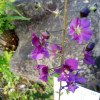
Verbascum phoeniceum (L.)
3 -
Verbascum phrygium (Bornm.)
-
Verbascum phyllostachyum (Boiss. & Hausskn. ex Boiss.)
-
Verbascum pinardi (Boiss.)
-
Verbascum pinardii (Boiss.)
-
Verbascum pinetorum (Kuntze)
-
Verbascum pinnatifidum (Vahl)
-
Verbascum pinnatisectum ((Batt.) Benedí)
-
Verbascum piscicidum (P.Candargy)
-
Verbascum polyphyllopyramidatum (Bordz.)
-
Verbascum ponticum ((Boiss.) Kuntze)
-
Verbascum porteri (Post)
-
Verbascum postianum (Murb.)
-
Verbascum praetutianum (Huter)
-
Verbascum protractum (Fenzl)
-
Verbascum prunellii (Rodr.Gracia & Valdés Berm.)
-
Verbascum prusianum (Boiss.)
-
Verbascum pseudoblattaria (Schleich.)
-
Verbascum pseudocreticum (Benedí & J.M.Monts.)
2 -
Verbascum pseudodigitalis (Nábělek)
2 -
Verbascum pseudoholotrichum (Hub.-Mor.)
-
Verbascum pseudolychnitis (Schur)
-
Verbascum pseudomaurum (Zograf.)
-
Verbascum pseudonobile (Stoj. & Stef.)
-
Verbascum pseudovarians (Hub.-Mor.)
-
Verbascum pterocalycinum (Hub.-Mor.)
2 -
Verbascum pterocaulon (Franch.)
-
Verbascum pterocladum (Hub.-Mor.)
-
Verbascum ptychophyllum (Boiss.)
-
Verbascum pubescens ((Skan) Hub.-Mor.)
-
Verbascum pulverulentum (Vill.)
-
Verbascum pumiliforme (Hub.-Mor.)
-
Verbascum pumilum (Boiss. & Heldr.)
-
Verbascum punalense (Boiss. & Buhse)
-
Verbascum purpureum ((Janka) Hub.-Mor.)
-
Verbascum pycnostachyum (Boiss. & Heldr.)
-
Verbascum pyramidatum (M.Bieb.)
-
Verbascum pyroliforme ((Boiss. & Heldr.) Kuntze)
2 -
Verbascum qulebicum (Post)
-
Verbascum racemiferum (Boiss. & Hausskn. ex Boiss.)
-
Verbascum ramigerum (Link ex Schrad.)
-
Verbascum reeseanum (Hub.-Mor.)
-
Verbascum reiseri (Halácsy)
-
Verbascum renzii (Hub.-Mor.)
-
Verbascum roripifolium ((Halácsy) I.K.Ferguson)
-
Verbascum rotundifolium (Ten.)
2 -
Verbascum rubricaule (Boiss. & Heldr.)
-
Verbascum rumiciforme (O.Schwarz)
-
Verbascum rupestre ((Davidov) I.K.Ferguson)
-
Verbascum rupicola ((Hayek & Siehe) Hub.-Mor.)
-
Verbascum ruscinonense (Rouy)
-
Verbascum sabaudum (Rouy)
-
Verbascum saccatum (K.Koch)
-
Verbascum salgirensis (Soldano)
-
Verbascum salicifolium (Zograf., Ioannidis, Liveri & Dimop.)
-
Verbascum salmoneum (Troitsky)
-
Verbascum salviifolium (Boiss.)
-
Verbascum samniticum (Ten.)
-
Verbascum scabridum ((Skan) Hub.-Mor.)
-
Verbascum scamandri (Murb.)
-
Verbascum scaposum (Boiss.)
-
Verbascum schachdagense (N.V.Gritz.)
-
Verbascum schimperianum (Boiss.)
-
Verbascum schneiderianum (Asch. & Graebn.)
-
Verbascum schottianum (Schrad.)
-
Verbascum scoparium (Mozaff.)
-
Verbascum scrophulariifolium ((Hochst. ex A.Rich.) Hub.-Mor.)
-
Verbascum sedgwickianum ((Schimp.) Hub.-Mor.)
-
Verbascum semialbum (Chaub. ex St.-Amans)
-
Verbascum serpenticola (Hub.-Mor.)
-
Verbascum serratifolium ((Hub.-Mor.) Hub.-Mor.)
-
Verbascum sessiliflorum (Murb.)
-
Verbascum seydisehirense (Tugay & Ulukuş)
-
Verbascum shahsavarensis (Sotoodeh, Attar & Civeyrel)
-
Verbascum sheilae (Hemaid)
-
Verbascum shiqricum (Hemaid)
-
Verbascum siculum (Tod. ex Lojac.)
-
Verbascum simavicum (Hub.-Mor.)
-
Verbascum simplex (Hoffmanns. & Link)
-
Verbascum sinaiticum (Benth.)
-
Verbascum sinuatum (L.)
2 -
Verbascum sipiadense (Zograf.)
-
Verbascum smyrnaeum (Boiss.)
-
Verbascum songaricum (Schrenk)
2 -
Verbascum sorgerae ((Hub.-Mor.) Hub.-Mor.)
-
Verbascum spathulisepalum (Greuter & Rech.f.)
-
Verbascum speciosum (Schrad.)
2 -
Verbascum sphenandroides (K.Koch)
-
Verbascum spinosum (L.)
-
Verbascum spodiotrichum ((Hub.-Mor.) Hub.-Mor.)
-
Verbascum stachydifolium (Boiss. & Heldr.)
2 -
Verbascum stachydiforme (Boiss. & Buhse)
-
Verbascum stelurum (Murb.)
-
Verbascum stenocarpum (Boiss. & Heldr.)
-
Verbascum stenostachyum (Hub.-Mor.)
-
Verbascum stepporum (Hub.-Mor.)
-
Verbascum sterile (Hausskn.)
-
Verbascum straussii ((Bornm.) Hub.-Mor.)
-
Verbascum stribrny (Murb. ex Sutorý)
-
Verbascum strictum (E.D.Clarke)
-
Verbascum sublobatum (Murb.)
-
Verbascum subnigrum (Beck)
-
Verbascum subnivale (Boiss. & Hausskn. ex Boiss.)
-
Verbascum subserratum (Hub.-Mor.)
-
Verbascum sudanicum ((Murb.) Hepper)
-
Verbascum suworowianum ((K.Koch) Kuntze)
4 -
Verbascum symes (Murb. & Rech.f.)
-
Verbascum syriacum (Schrad.)
-
Verbascum szovitsianum (Boiss.)
2 -
Verbascum tabukum (Hemaid)
-
Verbascum tauri (Boiss. & Kotschy)
-
Verbascum tauricum (Hook.)
-
Verbascum tenue (Murb.)
-
Verbascum tenuicaule ((Murb.) Hub.-Mor.)
-
Verbascum tetrandrum (Barratte & Murb.)
-
Verbascum teyberianum (Heimerl)
-
Verbascum thapsus (L.)
2 -
Verbascum thermiense (Zograf.)
-
Verbascum tiberiadis (Boiss.)
-
Verbascum tibesticum ((Quézel) Hub.-Mor.)
-
Verbascum tossiense (Freyn & Sint. ex Freyn)
-
Verbascum transcaucasicum (E.Wulff)
-
Verbascum transjordanicum (Murb.)
-
Verbascum transolympicum (Hub.-Mor.)
-
Verbascum trapifolium ((Stapf) Hub.-Mor.)
2 -
Verbascum trichostylum (Hub.-Mor.)
-
Verbascum tripolitanum (Boiss.)
-
Verbascum tropidocarpum (Murb.)
-
Verbascum tuna-ekimii (Karavel., A.Duran & Hamzaoğlu)
-
Verbascum turcicum (Bani, Adıgüzel & Karavel.)
-
Verbascum turcomanicum (Murb.)
-
Verbascum turkestanicum (Franch.)
-
Verbascum tzar-borisii ((Davidov ex Stoj.) B.Stefanova-Gateva)
-
Verbascum undulatum (Lam.)
-
Verbascum urceolatum (Hub.-Mor.)
-
Verbascum urobracteum (Hub.-Mor.)
-
Verbascum urumiense (Sotoodeh)
-
Verbascum urumoffii (Stoj. & Acht.)
-
Verbascum uschakense ((Murb.) Hub.-Mor.)
-
Verbascum ustulatum (Celak)
-
Verbascum vacillans (Murb.)
-
Verbascum vandasii (Rohlena)
-
Verbascum vanense (Hub.-Mor.)
-
Verbascum varians (Freyn & Sint.)
4 -
Verbascum versiflorum (Schrad.)
-
Verbascum virgatum (Stokes)
2 -
Verbascum vodnense (Bornm.)
-
Verbascum vulcanicum (Boiss. & Heldr.)
2 -
Verbascum wiedemannianum (Fisch. & C.A.Mey.)
-
Verbascum wilhelmsianum (K.Koch)
-
Verbascum wraberi (Micevski & Matevski)
-
Verbascum xanthophoeniceum (Griseb.)
-
Verbascum yemense (Deflers)
-
Verbascum yurtkuranianum (Kaynak, Daşkın & Yılmaz)
-
Verbascum zaianense ((Murb.) Hub.-Mor.)
-
Verbascum zakynthicum (Zograf.)
-
Verbascum zerdust (Fırat)
-
Verbascum zlataroffi (Davidov)
-
Verbascum zlataroffii (Davidov)