
Genus Saxifraga in Family Saxifragaceae
In botanical taxonomy, a genus (plural genera) is a rank used to group closely related species within a family. In the hierarchy, genus sits below family and above species.
Genera are defined by shared morphological, anatomical, and genetic characteristics (for example, features of flowers, fruits, seeds, or leaves) that indicate a close evolutionary relationship among the species they contain.
Each genus can include one or more species. Examples include Rosa (roses) and Solanum (nightshades, including tomato and eggplant).
Do you wish to read more about plant taxonomy? Click here!
Genus Description
Suggest a correction!Saxifraga (authority: L.) is the core genus of the Saxifragaceae, with about 400 species that range widely in the Northern Hemisphere and extend into the Andes. The type species is Saxifraga granulata and most taxa are herbaceous perennials occupying cool, often rocky habitats from lowland to alpine elevations. The genus is morphologically and genetically circumscribed, and its monophyly is strongly supported in multigene phylogenies (Soltis et al., 2000; Tkach et al., 2008). Saxifraga comprises several sections in the main boreal lineage and the separate lineage of the alpine cushion saxifragas, which has been separated as the genus Saxifragopsis by some authors (Tkach et al., 2008).
Diagnostic morphology centers on usually opposite or basal leaves that are often rosulate or mat-forming, and frequently bear calcareous or hydathodal glands. Stipules are absent or reduced. The inflorescence is typically cymose or racemose, with actinomorphic, usually pentamerous flowers; petals may be clawed or not, with nectary scales often present at the base of the filaments. The ovary is usually superior to half-inferior with axile placentation, although the ovary may be semi-inferior and later become inferior in some species. The fruit is a bicarpellate capsule that splits along the septa. Distinctive features include cushion growth, rosette leaf arrangement, often glandular leaf surfaces, and the presence of nectary scales at the stamen bases (Tkach et al., 2008; Lockton, 2002).
Diversity is concentrated in temperate Asia, Europe, and western North America, with numerous alpine and montane endemics. Typical habitats include rock crevices, moraines, alpine meadows, and cool, moist cliffs, with several species associated with calcareous substrates (Lockton, 2002). Many taxa are narrow endemics. Biogeographically, the genus exhibits strong boreal and alpine affinities and disjunctions across Eurasia and North America consistent with a boreal-arctic lineage (Soltis et al., 2000).
Pollination is primarily by insects, especially flies and bees, and fruit and seed dispersal is mostly ballistic. Life history emphasizes stress tolerance; cushion species are evergreen and highly resilient in alpine environments. Chromosome number is variable and polyploidy is frequent across the genus; numbers such as 2n=26, 28, and 32 are well documented (Tkach et al., 2008), but a universal base number remains unsettled and varies among sections (Lockton, 2002).
Taxonomically, Saxifraga is subdivided into sections within a broadly accepted broad-sensu treatment (e.g., sect. Cymbalaria, Dentata, Ligulatae, Porphyrion), while the separate genus Saxifragopsis has been recognized for certain alpine cushion taxa (Tkach et al., 2008). Molecular work has clarified circumscriptions of sections and resolved previously problematic species groups (Tkach et al., 2008; Soltis et al., 2000).
Human relevance is horticultural. Many Saxifraga species are cultivated as rock-garden ornamentals for their compact habit and showy flowers, with cultivars popular in alpine and crevice plantings. Occasional naturalization occurs, but the genus is not a major invasive group. Agricultural or timber significance is minimal (Lockton, 2002).
Conservation varies by region, with many species considered secure but some narrow endemics at risk from climate change, habitat disturbance, and collection pressure. Continued monitoring of alpine populations and refinement of section-level taxonomy will be essential to effective conservation and management (Tkach et al., 2008; Soltis et al., 2000).
-
Saxifraga × akinfievii (Galushko & Kudrjasch.)
-
Saxifraga × alejandrei (P.Vargas)
-
Saxifraga × alloysii\-villarii (T.E.Díaz, Fern.Areces, Pérez Carro & Llamas)
-
Saxifraga × angelisii (Strobl)
-
Saxifraga × aragonensis (H.J.Coste & Soulié)
-
Saxifraga × arguellesii (Carlón, J.M.González, M.Laínz, Moreno Mor., Rodr.Berd. & Ó.Sánchez)
-
Saxifraga × arizagae (Alejandre, Arizal. & Benito)
-
Saxifraga × baregensis (Rouy & E.G.Camus)
-
Saxifraga × bertolonii (Sünd.)
-
Saxifraga × blatii (Mateo, Fabado & C.Torres)
-
Saxifraga × blyttii (Engl. & Irmsch.)
-
Saxifraga × borderi (Rouy & E.G.Camus)
-
Saxifraga × cadevallii (Luizet & Soulié)
-
Saxifraga × camboana (Font Quer)
-
Saxifraga × capitata (Lapeyr.)
-
Saxifraga × celtiberica (Fuente, Sánchez Mata & G.Navarro)
-
Saxifraga × cochleariifolia (Schrad. ex Kunze)
-
Saxifraga × columpoda (Holubec)
-
Saxifraga × conradiae (J.Prudhomme)
-
Saxifraga × costei (Luizet & Soulié)
-
Saxifraga × darrieuxii (Luizet & Soulié)
-
Saxifraga × davidis\-webbii (P.Vargas)
-
Saxifraga × degeniana (Hand.-Mazz. & J.Wagner)
-
Saxifraga × desetangsii (Luizet & Soulié)
-
Saxifraga × dinninaris (Holubec)
-
Saxifraga × farreri (Druce ex Farrer)
-
Saxifraga × faucicola (T.E.Díaz, Fern.Areces & Pérez Carro)
-
Saxifraga × forojulensis (Sünd.)
-
Saxifraga × forsteri (Stein)
-
Saxifraga × gaudinii (Brügger)
-
Saxifraga × gentyana (Bouchard)
-
Saxifraga × geum (L.)
-
Saxifraga × guadarramica (Fern.Casas)
-
Saxifraga × hausmannii (A.Kern.)
-
Saxifraga × haussknechtii (Stein)
-
Saxifraga × hetenbeliana (Bürgel)
-
Saxifraga × jouffroyi (Rouy)
-
Saxifraga × karacardica (Bürgel)
-
Saxifraga × lainzii (P.Vargas)
-
Saxifraga × lecomtei (Luizet & Soulié)
-
Saxifraga × lhommei (H.J.Coste & Soulié)
-
Saxifraga × lhostei (Bouchard)
-
Saxifraga × martyi (Luizet & Soulié)
-
Saxifraga × mattfeldii (Engl.)
-
Saxifraga × melzeri (Köckinger)
-
Saxifraga × miscellanea (Luizet & Soulié)
-
Saxifraga × montserratii (T.E.Díaz, Fern.Areces & Pérez Carro)
-
Saxifraga × muretii (Ramb.)
-
Saxifraga × novacastelensis (R.Fairbairn & Gornall)
-
Saxifraga × opdalensis (Blytt)
-
Saxifraga × padellae (Brügger)
-
Saxifraga × paxii (Engl. & Irmsch.)
-
Saxifraga × polita ((Haw.) Link)
-
Saxifraga × prietoi (T.E.Díaz, Fern.Areces & Pérez Carro)
-
Saxifraga × prudhommei (Aubin)
-
Saxifraga × pseudocontinentalis (T.E.Díaz, Fern.Areces & Pérez Carro)
-
Saxifraga × ramondii (Luizet & Neyraut)
-
Saxifraga × rayei (R.Fairbairn & Gornall)
-
Saxifraga × recoderi (Fern.Areces, L.Villar & T.E.Díaz)
-
Saxifraga × reyeri (Huter)
-
Saxifraga × richteri (Luizet & Soulié)
-
Saxifraga × rivas\-martinezii (T.E.Díaz, Fern.Areces & Pérez Carro)
-
Saxifraga × saleixiana (Gaussen & P.Le Brun)
-
Saxifraga × somedana (Fern.Prieto & T.E.Díaz)
-
Saxifraga × sorianoi (García Maroto & Gómez-Merc.)
-
Saxifraga × superba (Rouy & E.G.Camus)
-
Saxifraga × thrinax (Rech.)
-
Saxifraga × tiroliensis (A.Kern.)
-
Saxifraga × tukuchensis (Bürgel)
-
Saxifraga × verguinii (Luizet & Soulié)
-
Saxifraga × vetteri (Burnat)
-
Saxifraga × wettsteinii (Brügger)
-
Saxifraga × wilczekii (Verg. & Neyraut ex Luizet)
-
Saxifraga × yvesii (Neyraut & Verg. ex Luizet)
-
Saxifraga × zimmeteri (A.Kern.)
-
Saxifraga acerifolia (Wakabayashi & Satomi)
-
Saxifraga adscendens (L.)
3 -
Saxifraga afghanica (Aitch. & Hemsl.)
-
Saxifraga aizoides (L.)
-
Saxifraga alberti (Regel & Schmalh.)
-
Saxifraga aleutica (Hultén)
-
Saxifraga alookthangensis (Wadhwa)
-
Saxifraga alpigena (Harry Sm.)
-
Saxifraga anadyrensis (Losinsk.)
-
Saxifraga andersonii (Engl.)
-
Saxifraga androsacea (L.)
-
Saxifraga angustata (Harry Sm.)
-
Saxifraga anisophylla (Harry Sm.)
-
Saxifraga aphylla (Sternb.)
-
Saxifraga aquatica (Lapeyr.)
-
Saxifraga arachnoidea (Sternb.)
-
Saxifraga aretioides (Lapeyr.)
-
Saxifraga aristulata (Hook.f. & Thomson)
2 -
Saxifraga artvinensis (V.A.Matthews)
2 -
Saxifraga asarifolia (Sternb.)
-
Saxifraga aspera (L.)
-
Saxifraga assamensis (Wadhwa)
-
Saxifraga atuntsiensis (W.W.Sm.)
-
Saxifraga aurantiaca (Franch.)
-
Saxifraga auriculata (Engl. & Irmsch.)
2 -
Saxifraga babiana (T.E.Díaz & Fern.Prieto)
-
Saxifraga baimashanensis (C.Y.Wu)
-
Saxifraga balfourii (Engl. & Irmsch.)
-
Saxifraga banmaensis (J.T.Pan)
-
Saxifraga benzilanensis (H.Chuang)
-
Saxifraga bergenioides (C.Marquand)
-
Saxifraga berica ((Bég.) D.A.Webb)
-
Saxifraga bicuspidata (Hook.f. in Hook.)
-
Saxifraga biflora (All.)
-
Saxifraga bijiangensis (H.Chuang)
-
Saxifraga biternata (Boiss.)
-
Saxifraga blavii (Beck)
-
Saxifraga blepharophylla (A.Kern. ex Hayek)
-
Saxifraga boreo-olympica (Halda)
-
Saxifraga bourgaeana (Boiss. & Reut.)
-
Saxifraga boussingaultii (Brongn.)
-
Saxifraga brachyphylla (Franch.)
-
Saxifraga brachypoda (D.Don)
3 -
Saxifraga brachypodoidea (J.T.Pan)
-
Saxifraga bracteata (D.Don)
-
Saxifraga brevicaulis (Harry Sm.)
-
Saxifraga bronchialis (L.)
7 -
Saxifraga brunneopunctata (Harry Sm.)
-
Saxifraga brunonis (Ser.)
-
Saxifraga bryoides (L.)
-
Saxifraga bulbifera (L.)
-
Saxifraga bulleyana (Engl. & Irmsch.)
-
Saxifraga burmensis (Harry Sm. ex Wadhwa)
-
Saxifraga burseriana (L.)
-
Saxifraga cacuminum (Harry Sm.)
-
Saxifraga caesia (L.)
-
Saxifraga callosa (Sm.)
3 -
Saxifraga calopetala (Harry Sm.)
-
Saxifraga camposii (Boiss. & Reut.)
2 -
Saxifraga canaliculata (Boiss. & Reut. ex Engl.)
-
Saxifraga candelabrum (Franch.)
-
Saxifraga caprariae (Mannocci, Ferretti, Mazzoncini & Viciani)
-
Saxifraga cardiophylla (Franch.)
-
Saxifraga carinata (Oett.)
-
Saxifraga carnosula (Mattf.)
-
Saxifraga carpatica (Sternb.)
-
Saxifraga carpetana (Boiss. & Reut.)
2 -
Saxifraga caspica (Sipliv.)
-
Saxifraga cataphracta (X.J.Zhang, T.Deng & H.Sun)
-
Saxifraga caucasica (Sommier & Levier)
-
Saxifraga caveana (W.W.Sm.)
2 -
Saxifraga cebennensis (Rouy & E.G.Camus)
-
Saxifraga cernua (L.)
-
Saxifraga cespitosa (L.)
-
Saxifraga chadwellii (Wadhwa)
-
Saxifraga champutungensis (H.Chuang)
-
Saxifraga cherlerioides (D.Don)
-
Saxifraga chionophila (Franch.)
-
Saxifraga chrysantha (A.Gray)
-
Saxifraga chrysanthoides (Engl. & Irmsch.)
-
Saxifraga chumbiensis (Engl. & Irmsch.)
-
Saxifraga churchillii (Huter)
-
Saxifraga ciliatopetala ((Engl. & Irmsch.) J.T.Pan)
-
Saxifraga cinerascens (Engl. & Irmsch.)
-
Saxifraga cinerea (Harry Sm.)
-
Saxifraga cintrana (Kuzinsky ex Willk.)
-
Saxifraga clivorum (Harry Sm.)
-
Saxifraga coarctata (W.W.Sm.)
-
Saxifraga cochlearis (Rchb.)
-
Saxifraga columnaris (Schmalh. ex Akinfiew)
-
Saxifraga congestiflora (Engl. & Irmsch.)
-
Saxifraga conifera (Coss. & Durieu)
-
Saxifraga consanguinea (W.W.Sm.)
-
Saxifraga contrarea (Harry Sm.)
-
Saxifraga contraria (Harry Sm.)
-
Saxifraga cordigera (Hook.f. & Thomson)
-
Saxifraga corsica (Gren. & Godr.)
2 -
Saxifraga cortusifolia (Siebold & Zucc.)
-
Saxifraga cotyledon (L.)
-
Saxifraga crawfordii (E.S.Marshall)
-
Saxifraga crustata (Vest)
-
Saxifraga culcitosa (Mattf.)
-
Saxifraga cuneata (Willd.)
-
Saxifraga cuneifolia (L.)
3 -
Saxifraga cymbalaria (L.)
-
Saxifraga dahaiensis (H.Chuang)
-
Saxifraga daliensis (H.Chuang)
-
Saxifraga damingshanensis (W.B.Liao, W.Y.Zhao & J.H.Jin)
-
Saxifraga daochengensis (J.T.Pan)
-
Saxifraga daqiaoensis (F.G.Wang & F.W.Xing)
-
Saxifraga debilis (Engelm. ex A.Gray)
-
Saxifraga decora (Harry Sm.)
-
Saxifraga decussata (J.Anthony)
-
Saxifraga demnatensis (Coss. ex Engl. & Irmsch.)
-
Saxifraga densifoliata (Engl. & Irmsch.)
2 -
Saxifraga depressa (Sternb.)
-
Saxifraga deqenensis (C.Y.Wu)
-
Saxifraga dhwojii ((Harry Sm.) S.Akiyama & H.Ohba)
-
Saxifraga dianxibeiensis (J.T.Pan)
-
Saxifraga diapensia (Harry Sm.)
-
Saxifraga diapensioides (Bellardi)
-
Saxifraga dichotoma (Willd. ex Sternb.)
-
Saxifraga dielsiana (Engl. & Irmsch.)
-
Saxifraga diffusicallosa (C.Y.Wu)
-
Saxifraga dingqingensis (J.T.Pan)
-
Saxifraga dinnikii (Schmalh. ex Akinfew)
-
Saxifraga diversifolia (Wall. & Ser.)
2 -
Saxifraga dongchuanensis (H.Chuang)
-
Saxifraga dongwanensis (H.Chuang)
-
Saxifraga doyalana (Harry Sm.)
-
Saxifraga drabiformis (Franch.)
-
Saxifraga draboides (C.Y.Wu)
-
Saxifraga dshagalensis (Engl.)
-
Saxifraga duthiei (Gand.)
-
Saxifraga eglandulosa (Engl.)
-
Saxifraga egregia (Engl.)
3 -
Saxifraga egregioides (J.T.Pan)
-
Saxifraga elatinoides (Hand.-Mazz.)
-
Saxifraga elliotii (Harry Sm.)
-
Saxifraga elliptica (Engl. & Irmsch.)
-
Saxifraga embergeri (Maire)
-
Saxifraga engleriana (Harry Sm.)
-
Saxifraga epiphylla (Gornall & H.Ohba)
-
Saxifraga erectisepala (J.T.Pan)
-
Saxifraga erinacea (Harry Sm.)
-
Saxifraga erioblasta (Boiss. & Reut.)
-
Saxifraga eschholzii (Sternb.)
-
Saxifraga exarata (Vill.)
9 -
Saxifraga excellens (Harry Sm.)
-
Saxifraga facchinii (W.D.J.Koch)
-
Saxifraga federici-augusti (Biasoletti)
2 -
Saxifraga felineri (P.Vargas)
-
Saxifraga ferdinandi-coburgi (Kellerer & Sünd.)
-
Saxifraga filicaulis (Wall. & Ser.)
-
Saxifraga filifolia (J.Anthony)
-
Saxifraga finitima (W.W.Sm.)
-
Saxifraga flaccida (J.T.Pan)
-
Saxifraga flagellaris (Willd. ex Sternb.)
4 -
Saxifraga flavida (Harry Sm.)
-
Saxifraga flexilis (W.W.Sm.)
-
Saxifraga florulenta (Moretti)
-
Saxifraga fontqueri (Pau)
-
Saxifraga forrestii (Engl. & Irmsch.)
-
Saxifraga fortunei (Hook.)
4 -
Saxifraga fragilis (Schrank)
2 -
Saxifraga fragosoi (Sennen)
-
Saxifraga ganeshii (H.Ohba & S.Akiyama)
-
Saxifraga gedangensis (J.T.Pan)
-
Saxifraga gemmigera (Engl. ex Diels)
2 -
Saxifraga gemmipara (Franch.)
-
Saxifraga gemmulosa (Boiss.)
-
Saxifraga genesiana (P.Vargas)
-
Saxifraga georgei (J.Anthony)
-
Saxifraga geranioides (L.)
-
Saxifraga giraldiana (Engl. ex Diels)
-
Saxifraga glabella (Bertol.)
-
Saxifraga glabricaulis (Harry Sm.)
-
Saxifraga glacialis (Harry Sm.)
-
Saxifraga glaucophylla (Franch.)
-
Saxifraga globulifera (Desf.)
-
Saxifraga gonggashanensis (J.T.Pan)
-
Saxifraga gongshanensis (T.C.Ku)
-
Saxifraga granulata (L.)
2 -
Saxifraga granulifera (Harry Sm.)
-
Saxifraga gyalana (C.Marquand & Airy Shaw)
-
Saxifraga habaensis (C.Y.Wu ex H.Chuang)
-
Saxifraga haenseleri (Boiss. & Reut.)
-
Saxifraga hakkariensis (Fırat)
-
Saxifraga haplophylloides (Franch.)
-
Saxifraga harae (H.Ohba & Wakab.)
-
Saxifraga hariotii (Luizet & Soulié)
-
Saxifraga harry-smithii (Wadhwa)
-
Saxifraga hederacea (L.)
2 -
Saxifraga hederifolia (Hochst. ex A.Rich.)
-
Saxifraga heleonastes (Harry Sm.)
-
Saxifraga hemisphaerica (Hook.f. & Thomson)
-
Saxifraga hengduanensis (H.Chuang)
-
Saxifraga heteroclada (Harry Sm.)
2 -
Saxifraga heterocladoides (J.T.Pan)
-
Saxifraga heterotricha (C.Marquand & Airy Shaw)
2 -
Saxifraga hirculoides (Decne.)
-
Saxifraga hirculus (L.)
-
Saxifraga hirsuta (L.)
2 -
Saxifraga hispidula (D.Don)
-
Saxifraga hohenwartii (Vest ex Sternb.)
-
Saxifraga hookeri (Engl. & Irmsch.)
4 -
Saxifraga hostii (Tausch)
2 -
Saxifraga hyperborea (R.Br.)
-
Saxifraga hypericoides (Franch.)
3 -
Saxifraga hypnoides (L.)
-
Saxifraga hypostoma (Harry Sm.)
-
Saxifraga imparilis (Balf.f.)
-
Saxifraga implicans (Harry Sm.)
-
Saxifraga inconspicua (W.W.Sm.)
-
Saxifraga indica ((C.B.Clarke) Wadhwa)
-
Saxifraga insolens (Irmsch.)
-
Saxifraga intricata (Lapeyr.)
-
Saxifraga iranica (Bornm.)
-
Saxifraga irrigua (M.Bieb.)
-
Saxifraga isophylla (Harry Sm.)
-
Saxifraga italica (D.A.Webb)
-
Saxifraga jacquemontiana (Decne.)
-
Saxifraga jainzhuglaensis (J.T.Pan)
-
Saxifraga jaljalensis (H.Ohba & S.Akiyama)
-
Saxifraga jamalensis (Zhmylev & V.Yu.Razzhivin)
-
Saxifraga jarmilae (Halda)
-
Saxifraga jingdongensis (H.Chuang)
-
Saxifraga josephi (Engl. ex Diels)
-
Saxifraga josephii (Engl.)
-
Saxifraga juniperifolia (Adams)
-
Saxifraga karadzicensis ((Degen & Košanin) Bürgel)
-
Saxifraga kavrunensis (B.Gürcan & O.D.Düșen)
-
Saxifraga kegangii (D.G.Zhang, Ying Meng & M.H.Zhang)
-
Saxifraga khiakhensis (Holubec & Křivka)
-
Saxifraga kinchingingae (Engl.)
-
Saxifraga kingdonii (C.Marquand)
-
Saxifraga kingiana (Engl. & Irmsch.)
-
Saxifraga klimesii (Hajman, D.Horák & Hroneš)
-
Saxifraga kochii (Hornung)
-
Saxifraga koelzii (Schönb.-Tem.)
-
Saxifraga kolenatiana (Regel)
-
Saxifraga kongboensis (Harry Sm.)
-
Saxifraga korshinskyi (Kom.)
-
Saxifraga kotschyi (Boiss.)
-
Saxifraga kumaunensis (Engl.)
-
Saxifraga kwangsiensis (Chun & F.C.How ex C.Z.Gao & G.Z.Li)
-
Saxifraga lactea (Turcz.)
-
Saxifraga lamninamensis (H.Ohba)
-
Saxifraga latepetiolata (Willk.)
-
Saxifraga latiflora (Hook.f. & Thomson)
-
Saxifraga lepida (Harry Sm.)
-
Saxifraga likiangensis (Franch.)
-
Saxifraga lilacina (Duthie)
-
Saxifraga linearifoiia (Engl. & Irmsch.)
-
Saxifraga linearifolia (Engl. & Irmsch.)
-
Saxifraga litangensis (Engl.)
-
Saxifraga lixianensis (T.C.Ku)
-
Saxifraga llonakhensis (W.W.Sm.)
-
Saxifraga longifolia (Lapeyr.)
2 -
Saxifraga loripes (J.Anthony)
-
Saxifraga losae (Sennen)
-
Saxifraga lowndesii (Harry Sm.)
-
Saxifraga ludingensis (J.T.Pan)
-
Saxifraga ludlowii (Harry Sm.)
-
Saxifraga luizetiana (Emb. & Maire)
-
Saxifraga luizetii (Sennen)
-
Saxifraga luoxiaoensis (W.B.Liao, Lei Wang & X.J.Zhang)
-
Saxifraga lushuiensis (H.Chuang)
-
Saxifraga luteopurpurea (Lapeyr.)
-
Saxifraga luteoviridis (Schott & Kotschy ex Schott)
-
Saxifraga lychnitis (Hook.f. & Thomson)
3 -
Saxifraga macrocalyx (Tolm.)
-
Saxifraga macrostigmatoides (Engl.)
-
Saxifraga maderensis (D.Don)
2 -
Saxifraga magellanica (Poir.)
-
Saxifraga maireana (Luizet)
-
Saxifraga mallae (H.Ohba & Wakab.)
-
Saxifraga manzanderanica (Rech.f.)
-
Saxifraga marginata (Sternb.)
-
Saxifraga maweana (Baker)
-
Saxifraga maxionggouensis (J.T.Pan)
-
Saxifraga media (Gouan)
-
Saxifraga medogensis (J.T.Pan)
-
Saxifraga meeboldii (Engl. & Irmsch.)
-
Saxifraga megacordia (C.Y.Wu ex H.Chuang)
-
Saxifraga mengtzeana (Engl. & Irmsch.)
-
Saxifraga micans (Harry Sm.)
-
Saxifraga microcephala (A.P.Khokhr. & Kuvaev)
-
Saxifraga microgyna (Engl. & Irmsch.)
-
Saxifraga micropetala (Fedde)
-
Saxifraga microphylla (Schleich.)
-
Saxifraga minutifoliosa (C.Y.Wu ex H.Chuang)
-
Saxifraga minutissima (D.S.Rawat)
-
Saxifraga mira (Harry Sm.)
-
Saxifraga miralana (Harry Sm.)
-
Saxifraga monantha (Harry Sm.)
-
Saxifraga moncayensis (D.A.Webb)
-
Saxifraga montanella (Harry Sm.)
2 -
Saxifraga monticola (Fedde)
-
Saxifraga montis-christi (Mannocci, Ferretti, Mazzoncini & Viciani)
-
Saxifraga moorcroftiana ((Ser.) Wall. & Sternb.)
-
Saxifraga moschata (Wulfen)
4 -
Saxifraga mucronulata (Royle)
-
Saxifraga mucronulatoides (J.T.Pan)
-
Saxifraga muscoides (All.)
-
Saxifraga mutata (L.)
2 -
Saxifraga nakaoi (Kitam.)
-
Saxifraga nakaoides (J.T.Pan)
-
Saxifraga nambulana (Harry Sm.)
-
Saxifraga namdoensis (Harry Sm.)
-
Saxifraga nana (Engl.)
-
Saxifraga nanella (Engl. & Irmsch.)
2 -
Saxifraga nanelloides (C.Y.Wu)
-
Saxifraga nangqenica (J.T.Pan)
-
Saxifraga nangxianensis (J.T.Pan)
-
Saxifraga nathorstii (Hayek)
-
Saxifraga neopropagulifera (H.Hara)
-
Saxifraga nevadensis (Boiss.)
-
Saxifraga nigroglandulifera (N.P.Balakr.)
-
Saxifraga nigroglandulosa (Engl. & Irmsch.)
-
Saxifraga nipponica (Makino)
-
Saxifraga nishidae (Miyabe & Kudô)
-
Saxifraga numidica (Maire)
-
Saxifraga obscura (Gren. & Godr.)
-
Saxifraga omolojensis (A.P.Khokhr.)
-
Saxifraga omphalodifolia (Hand.-Mazz.)
-
Saxifraga oppositifolia (L.)
6 -
Saxifraga oreophila (Franch.)
-
Saxifraga osloensis (Knaben)
-
Saxifraga ovczinnikovii (Kamelin)
-
Saxifraga paiquensis (J.T.Pan)
-
Saxifraga palpebrata (Hook.f. & Thomson)
-
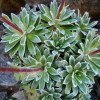
Saxifraga paniculata (Mill.)
-
Saxifraga paradoxa (Sternb.)
-
Saxifraga pardanthina (Hand.-Mazz.)
-
Saxifraga parkaensis (J.T.Pan)
-
Saxifraga parnassifolia (D.Don)
-
Saxifraga parnassiodes (Regel & Schmalh.)
-
Saxifraga parva (Hemsl.)
-
Saxifraga patens (Gaudin)
-
Saxifraga pedemontana (All.)
4 -
Saxifraga pellucida (C.Y.Wu)
-
Saxifraga pentadactylis (Lapeyr.)
3 -
Saxifraga peplidifolia (Franch.)
-
Saxifraga peraristulata (Mattf.)
-
Saxifraga perpusilla (Hook.f. & Thomson)
-
Saxifraga petraea (L.)
-
Saxifraga pilifera (Hook.f. & Thomson)
-
Saxifraga poluniniana (Harry Sm.)
2 -
Saxifraga porophylla (Bertol.)
-
Saxifraga portae (Stein)
-
Saxifraga portosanctana (Boiss.)
-
Saxifraga praetermissa (D.A.Webb)
-
Saxifraga pratensis (Engl. & Irmsch.)
-
Saxifraga prattii (Engl. & Irmsch.)
2 -
Saxifraga prenja (Beck)
-
Saxifraga presolanensis (Engl.)
-
Saxifraga przewalskii (Engl.)
-
Saxifraga pseudohirculus (Engl.)
-
Saxifraga pseudolaevis (Oett.)
-
Saxifraga pseudoparvula (H.Chuang)
-
Saxifraga pubescens (Pourr.)
2 -
Saxifraga pulchra (Engl. & Irmsch.)
-
Saxifraga pulvinaria (Harry Sm.)
-
Saxifraga punctulata (Engl.)
2 -
Saxifraga punctulatoides (J.T.Pan)
-
Saxifraga quadrifaria (Engl. & Irmsch.)
-
Saxifraga ramsarica (Jamzad)
-
Saxifraga ramulosa (Wall. & Ser.)
-
Saxifraga retusa (Gouan)
2 -
Saxifraga reuteriana (Boiss.)
-
Saxifraga rhodopetala (Harry Sm.)
-
Saxifraga rigoi (Freyn ex Porta.)
2 -
Saxifraga rivularis (L.)
2 -
Saxifraga rizhaoshanensis (J.T.Pan)
-
Saxifraga rosacea (Moench)
4 -
Saxifraga rotundifolia (L.)
3 -
Saxifraga rotundipetala (J.T.Pan)
-
Saxifraga roylei (Harry Sm.)
-
Saxifraga rudolphiana (Hornsch.)
-
Saxifraga rufescens (Balf.f.)
3 -
Saxifraga rupicola (Franch.)
-
Saxifraga saginoides (Hook.f. & Thomson)
-
Saxifraga sancta (Griseb.)
-
Saxifraga sanguinea (Franch.)
-
Saxifraga saxatilis (Harry Sm.)
-
Saxifraga saxicola (Harry Sm.)
-
Saxifraga saxorum (Harry Sm.)
-
Saxifraga scardica (Griseb.)
2 -
Saxifraga schachtii (Kummert)
-
Saxifraga scleropoda (Sommier & Levier.)
-
Saxifraga sediformis (Engl. & Irmsch.)
-
Saxifraga sedoides (L.)
-
Saxifraga seguieri (Spreng.)
-
Saxifraga selemdzhensis (Gorovoj & Vorosch.)
-
Saxifraga sempervivum (K.Koch)
-
Saxifraga sendaica (Maxim.)
-
Saxifraga serotina (Sipliv.)
-
Saxifraga serpyllifola (Pursh)
-
Saxifraga serpyllifolia (Pursh)
-
Saxifraga serrula (Harry Sm.)
-
Saxifraga sessiliflora (Harry Sm.)
-
Saxifraga shennongii (Lei Wang, W.B.Liao & Ji J.Zhang)
-
Saxifraga sheqilaensis (J.T.Pan)
-
Saxifraga sherriffii (Harry Sm.)
-
Saxifraga sibirica (L.)
-
Saxifraga sibthorpii (Boiss.)
-
Saxifraga sieversiana (Sternb.)
-
Saxifraga signata (Engl. & Irmsch.)
-
Saxifraga signatella (C.Marquand)
-
Saxifraga sikkimensis (Engl.)
-
Saxifraga sinomontana (J.T.Pan & Gornall)
2 -
Saxifraga smithiana (Irmsch.)
-
Saxifraga souliei (H.J.Coste)
-
Saxifraga spathularis (Brot.)
-
Saxifraga sphaeradena (Harry Sm.)
-
Saxifraga spruneri (Boiss.)
-
Saxifraga squarrosa (Sieber)
-
Saxifraga staintonii (Harry Sm.)
-
Saxifraga stella-aurea (Hook.f. & Thomson)
-
Saxifraga stellariifolia (Franch.)
-
Saxifraga stelleriana (Merk. ex Ser.)
-
Saxifraga stenophylla (Royle)
2 -
Saxifraga stolitzkae (Duthie ex Engl. & Irmsch.)
-
Saxifraga stolonifera (Curtis)
-
Saxifraga stribrnyi ((Velen.) Podp.)
-
Saxifraga strigosa (Wall. & Ser.)
-
Saxifraga styriaca (Köckinger)
-
Saxifraga subaequifoliata (Irmsch.)
-
Saxifraga subamplexicaulis (Engl. & Irmsch.)
-
Saxifraga sublinearifolia (J.T.Pan)
-
Saxifraga submonantha (A.P.Khokhr. & Kuvaev)
-
Saxifraga subomphalodifolia (J.T.Pan)
-
Saxifraga subsessiliflora (Engl. & Irmsch.)
-
Saxifraga subspathulata (Engl. & Irmsch.)
2 -
Saxifraga substrigosa (J.T.Pan)
-
Saxifraga subternata (Harry Sm.)
-
Saxifraga subtsangchanensis (J.T.Pan)
-
Saxifraga subverticillata (Boiss.)
-
Saxifraga sunhangiana (T.Deng, X.J.Zhang & J.T.Chen)
-
Saxifraga svalbardensis (Øvstedal)
-
Saxifraga tangutica (Engl.)
2 -
Saxifraga taraktophylla (C.Marquand & Airy Shaw)
-
Saxifraga tatsienluensis (Engl.)
-
Saxifraga taygetea (Boiss. & Heldr.)
-
Saxifraga taylorii (Calder & Savile)
-
Saxifraga tenella (Wulfen)
-
Saxifraga tentaculata (C.E.C.Fisch.)
-
Saxifraga terektensis (Bunge)
-
Saxifraga thiantha (Harry Sm.)
2 -
Saxifraga tibetica (Losinsk.)
-
Saxifraga tigrina (Harry Sm.)
-
Saxifraga tombeanensis (Boiss. ex Engl.)
-
Saxifraga trabutiana (Engl. & Irmsch.)
-
Saxifraga trautvetteri (Manden.)
-
Saxifraga triaristulata (Hand.-Mazz.)
-
Saxifraga tricrenata (Pau & Font Quer)
-
Saxifraga tricuspidata (Rottb.)
-
Saxifraga tridactylites (L.)
-
Saxifraga trifurcata (Schrad.)
-
Saxifraga tsangchanensis (Franch.)
-
Saxifraga umbellulata (Hook.f. & Thomson)
2 -
Saxifraga umbrosa (L.)
-
Saxifraga unguiculata (Engl.)
2 -
Saxifraga unguipetala (Engl. & Irmsch.)
-
Saxifraga uninervia (J.Anthony)
-
Saxifraga urbionica (Losa)
-
Saxifraga vacillans (Harry Sm.)
-
Saxifraga valdensis (DC.)
-
Saxifraga valleculosa (H.Chuang)
2 -
Saxifraga vandellii (Sternb.)
-
Saxifraga vayredana (Luizet)
-
Saxifraga versicallosa (C.Y.Wu ex H.Chuang)
-
Saxifraga vespertina ((Small) Fedde)
-
Saxifraga vetteriana (Beauverd)
-
Saxifraga vierhapperi (Hand.-Mazz.)
-
Saxifraga virgularis (Harry Sm.)
-
Saxifraga viridipetala (Z.X.Zhang & Gornall)
-
Saxifraga viscidula (Hook.f. & Thomson)
-
Saxifraga vulcanica (Sipliv.)
-
Saxifraga vvedenskyi (Abdullaeva)
-
Saxifraga wahlenbergii (Ball)
-
Saxifraga wallichiana (Sternb.)
-
Saxifraga wardii (W.W.Sm.)
2 -
Saxifraga wenchuanensis (T.C.Ku)
-
Saxifraga wendelboi (Schönb.-Tem.)
-
Saxifraga werneri (Font Quer & Pau)
-
Saxifraga williamsii (Harry Sm.)
-
Saxifraga xiaozhongdianensis (J.T.Pan)
-
Saxifraga yangshuoensis (Hai L.Chen, W.B.Xu & Yan Liu)
-
Saxifraga yarlungzangboensis (J.T.Pan)
-
Saxifraga yezhiensis (C.Y.Wu)
-
Saxifraga yoshimurae (Miyabe & Tatew.)
-
Saxifraga yushuensis (J.T.Pan)
-
Saxifraga zayuensis (T.C.Ku)
-
Saxifraga zhidoensis (J.T.Pan)
-
Saxifraga zimmermannii (Baehni)