
Genus Clinopodium in Family Lamiaceae
In botanical taxonomy, a genus (plural genera) is a rank used to group closely related species within a family. In the hierarchy, genus sits below family and above species.
Genera are defined by shared morphological, anatomical, and genetic characteristics (for example, features of flowers, fruits, seeds, or leaves) that indicate a close evolutionary relationship among the species they contain.
Each genus can include one or more species. Examples include Rosa (roses) and Solanum (nightshades, including tomato and eggplant).
Do you wish to read more about plant taxonomy? Click here!
Genus Description
Suggest a correction!Clinopodium L. belongs to the Lamiaceae (mint family) and comprises about 160 accepted species worldwide (POWO, 2024). It is distributed across temperate Eurasia, North Africa, and western North America, with occasional extensions into tropical highlands. The type species is Clinopodium vulgare L.
Plants are herbaceous perennials or low subshrubs, often aromatic. Leaves are opposite, simple, ovate, with crenate margins and no stipules; indumentum ranges from glabrous to glandular. Inflorescences are verticillasters; each flower has a tubular calyx with five teeth and a short‑tube, bilabiate corolla (upper lip two‑lobed, lower lip three‑lobed). The ovary is superior, four‑lobed with a gynobasic style, and the fruit consists of four nutlets.
Diversity peaks in the Mediterranean basin, especially Italy, Greece and Turkey, where many narrow endemics occupy limestone outcrops, dry scrub and subalpine grassland up to ca. 3000 m. Secondary centres occur in the Caucasus and Irano‑Turanian region. In western North America, Clinopodium douglasii ranges from British Columbia to California, typically in moist woodland margins.
Bees are the primary pollinators, though flies and small butterflies also visit. Nutlets have a dry pericarp and are dispersed by wind or by attachment to animal fur, allowing rapid colonisation of disturbed sites. Most species are perennial and resprout after fire or grazing. Cytologically the genus consistently shows a base number x = 9, with many taxa having 2n = 36 (e.g., C. vulgare) (Al‑Turki et al., 2000).
Historically many now‑Clinopodium taxa were placed in Satureja, Calamintha and Acinos. A phylogeny based on nuclear and plastid markers (Drew & Sytsma, 2012) demonstrated that a broadly defined Clinopodium is monophyletic, prompting extensive synonymisation. Later floristic treatments (Paton et al., 2020) retain a narrower concept, keeping Clinopodium to a core Mediterranean set and resurrecting Satureja for the remainder, highlighting the lack of consensus. Subgeneric ranks have seldom been formalised, and no universally accepted sectional division exists.
Several species, especially C. vulgare and C. douglasii, are cultivated as ornamental groundcovers for their aromatic foliage and prolonged bloom. C. douglasii (yerba buena) is brewed as a tea and used as a flavoring (Miller & Jose, 2021). No Clinopodium taxa serve as timber or major food crops, and none are regarded as aggressive invasives.
Many narrow‑endemic taxa are threatened by habitat loss, overgrazing and climate change; the World Flora Online (2024) lists several as Near Threatened or Data Deficient, underscoring the need for regional conservation assessments. Future work should integrate phylogenetic data with management plans to safeguard the most vulnerable populations.
-
Clinopodium × alboviride ((Faure & Maire) Melnikov)
-
Clinopodium × cadevallii ((Sennen) Starm.)
-
Clinopodium × conillii ((Sennen) Starm.)
-
Clinopodium × hostii ((Caruel) Bräuchler)
-
Clinopodium × mixtum ((Ausserd. ex Heinr.Braun & Sennholz) Starm.)
-
Clinopodium × pillichianum ((J.Wagner) Govaerts)
-
Clinopodium abchasicum (Melnikov)
-
Clinopodium abyssinicum (Kuntze)
2 -
Clinopodium acinos (Kuntze)
-
Clinopodium acutifolium ((Benth.) Govaerts)
-
Clinopodium adzharicum (Melnikov)
-
Clinopodium albanicum ((Griseb. ex K.Malý) Melnikov)
-
Clinopodium album ((Waldst. & Kit.) Bräuchler & Govaerts)
-
Clinopodium alexeenkoi (Melnikov)
-
Clinopodium alpestre ((Urb.) Harley)
-
Clinopodium alpinum (Kuntze)
6 -
Clinopodium amabile (Melnikov)
-
Clinopodium amissum ((Epling & Játiva) Harley)
-
Clinopodium argenteum ((Kunth) Govaerts)
-
Clinopodium arkansanum ((Nutt.) House)
-
Clinopodium ashei ((Weath.) Small)
-
Clinopodium atlanticum ((Ball) N.Galland)
-
Clinopodium austro-osseticum (Melnikov)
-
Clinopodium axillare ((Rusby) Harley)
2 -
Clinopodium banaoense ((P.Herrera, I.E.Méndez & Bécquer) Melnikov)
-
Clinopodium barbatum ((P.H.Davis) Melnikov)
-
Clinopodium barosmum ((W.W.Sm.) Bräuchler & Heubl)
-
Clinopodium batumiense (Melnikov)
-
Clinopodium betulifolium ((Boiss. & Balansa) Kuntze)
-
Clinopodium bolivianum (Kuntze)
3 -
Clinopodium brevicalyx ((Epling) Harley & A.Granda)
-
Clinopodium breviflorum ((Benth.) Govaerts)
-
Clinopodium brevifolium ((Wahlenb.) Bräuchler & Hjertson)
-
Clinopodium brownei ((Sw.) Kuntze)
-
Clinopodium bucheri ((P.Wilson) Harley)
-
Clinopodium candidissimum (Kuntze)
-
Clinopodium canescens ((J.Presl) Melnikov)
-
Clinopodium capitellatum (Kuntze)
-
Clinopodium caricum ((P.H.Davis) Bräuchler & Heubl)
-
Clinopodium caroli-henricanum ((Kit Tan & Sorger) Govaerts)
-
Clinopodium carolinianum (Mill.)
-
Clinopodium caucasicum (Melnikov)
-
Clinopodium cercocarpoides ((Epling) Govaerts)
-
Clinopodium chandleri ((Brandegee) P.D.Cantino & Wagstaff)
-
Clinopodium chilense ((Benth.) Govaerts)
-
Clinopodium chinense (Kuntze)
3 -
Clinopodium cilicicum ((Hausskn. ex P.H.Davis) Bräuchler & Heubl)
-
Clinopodium cirenianum (S.S.Ying)
-
Clinopodium clivorum ((Epling) Govaerts)
-
Clinopodium coccineum ((Nutt. ex Hook.) Kuntze)
-
Clinopodium colchicum (Melnikov)
3 -
Clinopodium congestum (Kuntze)
-
Clinopodium corsicum ((Pers.) Govaerts)
-
Clinopodium creticum (Kuntze)
-
Clinopodium cuifengense (S.S.Ying)
-
Clinopodium cylindristachys ((Epling & Játiva) Govaerts)
-
Clinopodium dalmaticum ((Benth.) Bräuchler & Heubl)
2 -
Clinopodium darwinii (Kuntze)
-
Clinopodium debile (Kuntze)
-
Clinopodium dentatum ((Chapm.) Kuntze)
-
Clinopodium deprehensum (Melnikov)
-
Clinopodium discolor ((Diels) C.Y.Wu & S.J.Hsuan ex H.W.Li)
-
Clinopodium dolichodontum ((P.H.Davis) Bräuchler & Heubl)
-
Clinopodium domingense ((Urb. & Ekman) Govaerts)
-
Clinopodium dumetorum (Melnikov)
-
Clinopodium ekmanianum ((Epling & Alain) Harley)
-
Clinopodium elegans (Melnikov)
-
Clinopodium euosmum ((W.W.Sm.) Bräuchler & Heubl)
-
Clinopodium fasciculatum ((Benth.) Govaerts)
-
Clinopodium fauriei ((H.Lév. & Vaniot) Hara)
-
Clinopodium flabellifolium ((Epling & Játiva) Govaerts)
-
Clinopodium foliolosum ((Benth.) Govaerts)
-
Clinopodium frivaldszkyanum ((Degen) Bräuchler & Heubl)
-
Clinopodium ganderi ((Epling) Govaerts)
-
Clinopodium gilanicum (Melnikov)
-
Clinopodium gilliesii (Kuntze)
-
Clinopodium glabellum ((Michx.) Kuntze)
-
Clinopodium gracile ((Benth.) Kuntze)
-
Clinopodium grandiflorum (Kuntze)
2 -
Clinopodium graveolens (Kuntze)
2 -
Clinopodium griseum ((Epling) Harley)
-
Clinopodium hakkaricum (Dirmenci & Fırat)
-
Clinopodium helenae (Melnikov)
-
Clinopodium heterotrichum ((Boiss. & Reut.) Govaerts)
-
Clinopodium hintoniorum ((B.L.Turner) Govaerts)
-
Clinopodium hispidulum ((Boiss. & Reut.) Govaerts)
-
Clinopodium hohenackeri (Melnikov)
-
Clinopodium hydaspidis (Kuntze)
-
Clinopodium integerrimum (Boriss.)
-
Clinopodium italicum ((Huter) Bräuchler)
-
Clinopodium jacquelinae (Schmidt-Leb.)
-
Clinopodium jaliscanum ((McVaugh & R.Schmid) Govaerts)
-
Clinopodium jamesonii ((Benth.) Govaerts)
-
Clinopodium javanicum ((Blume) I.M.Turner)
-
Clinopodium junctionis ((Epling & Játiva) Govaerts)
-
Clinopodium kallaricum ((Jamzad) Bordbar)
-
Clinopodium kilimandschari ((Gürke) Ryding)
-
Clinopodium krupkinae (Melnikov)
-
Clinopodium kunashirense (Prob.)
-
Clinopodium kurachense (Melnikov)
-
Clinopodium lanceolatum (Melnikov)
-
Clinopodium latifolium ((H.Hara) T.Yamaz. & Murata)
-
Clinopodium laxiflorum ((Hayata) K.Mori)
-
Clinopodium libanoticum (Kuntze)
-
Clinopodium loesenerianum ((Mansf.) A.Granda)
-
Clinopodium longipes (C.Y.Wu & S.J.Hsuan ex H.W.Li)
-
Clinopodium ludens ((Shinners) A.Pool)
-
Clinopodium macranthum ((Makino) Hara)
-
Clinopodium macrostemum ((Moc. & Sessé ex Benth.) Kuntze)
-
Clinopodium maderense ((Henrickson) Govaerts)
-
Clinopodium maritimum (Kuntze)
-
Clinopodium matthewsii ((Briq.) Govaerts)
-
Clinopodium megalanthum ((Diels) C.Y.Wu & S.J.Hsuan ex H.W.Li)
-
Clinopodium menitskyi (Melnikov)
-
Clinopodium menthifolium ((Host) Stace)
3 -
Clinopodium mexicanum ((Benth.) Govaerts)
-
Clinopodium micranthum ((Regel) Hara)
2 -
Clinopodium micromerioides ((Hemsl.) Govaerts)
-
Clinopodium mimuloides ((Benth.) Kuntze)
-
Clinopodium minae ((Lojac.) Peruzzi & F.Conti)
-
Clinopodium mirum (Melnikov)
-
Clinopodium molle (Kuntze)
-
Clinopodium multicaule (Kuntze)
3 -
Clinopodium multiflorum ((Ruiz & Pav.) Kuntze)
-
Clinopodium mutabile ((Epling) Harley)
-
Clinopodium myrianthum ((Baker) Ryding)
-
Clinopodium nanum ((P.H.Davis & Doroszenko) Govaerts)
-
Clinopodium neglectum (Melnikov)
2 -
Clinopodium nepalense ((Kitam. & Murata) Bräuchler & Heubl)
-
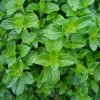
Clinopodium nepeta ((L.) Kuntze)
3 -
Clinopodium novorossicum (Melnikov)
-
Clinopodium nubigenum ((Kunth) Kuntze)
-
Clinopodium nummulariifolium (Kuntze)
-
Clinopodium obovatum ((Ruiz & Pav.) Govaerts)
-
Clinopodium odorum ((Griseb.) Harley)
-
Clinopodium omeiense (C.Y.Wu & S.J.Hsuan ex H.W.Li)
-
Clinopodium pallidum ((Epling) Govaerts)
-
Clinopodium palmeri (Kuntze)
-
Clinopodium pamphylicum ((Boiss. & Heldr.) Govaerts)
-
Clinopodium paradoxum ((Vatke) Ryding)
-
Clinopodium persicum (Melnikov)
-
Clinopodium pilosum (J.R.I.Wood)
-
Clinopodium piperitum ((D.Don) Murata)
-
Clinopodium plicatulum ((Epling) Govaerts)
-
Clinopodium pojarkovae (Melnikov)
-
Clinopodium polycephalum ((Vaniot) C.Y.Wu & S.J.Hsuan)
-
Clinopodium pomelianum (Kuntze)
-
Clinopodium procumbens ((Greenm.) Harley)
-
Clinopodium pulchellum ((Kunth) Govaerts)
-
Clinopodium pulegium ((Rochel) Bräuchler)
-
Clinopodium rankiniae (I.E.Méndez)
-
Clinopodium revolutum ((Ruiz & Pav.) Govaerts)
-
Clinopodium ritsaense (Melnikov)
-
Clinopodium robustum ((Hook.f.) Ryding)
-
Clinopodium rouyanum ((Briq.) Govaerts)
-
Clinopodium sandalioticum ((Bacch. & Brullo) Bacch. & Brullo ex Peruzzi & F.Conti)
-
Clinopodium sardoum ((Asch. & Levier) Peruzzi & F.Conti)
-
Clinopodium schusteri ((Urb.) Govaerts)
-
Clinopodium selerianum ((Loes.) Govaerts)
-
Clinopodium sericeum ((C.Presl ex Benth.) Govaerts)
-
Clinopodium sericifolium ((Epling & Játiva) Govaerts)
-
Clinopodium serpyllifolium ((M.Bieb.) Kuntze)
4 -
Clinopodium shaofengkouensis (S.S.Ying)
-
Clinopodium simense (Kuntze)
-
Clinopodium sirnakense ((Fırat & Akçiçek) Fırat & Bräuchler)
-
Clinopodium soczavae (Melnikov)
-
Clinopodium speciosum ((Hook.) Govaerts)
-
Clinopodium sphenophyllum ((Epling) Govaerts)
-
Clinopodium striatum ((Ruiz & Pav.) Govaerts)
-
Clinopodium suaveolens (Kuntze)
-
Clinopodium suborbiculare ((Alain) Greuter & R.Rankin)
-
Clinopodium syriacum (Melnikov)
-
Clinopodium talladeganum (B.R.Keener & Floden)
-
Clinopodium tauricola ((P.H.Davis) Govaerts)
-
Clinopodium taxifolium ((Kunth) Govaerts)
-
Clinopodium taygeteum ((P.H.Davis) Bräuchler)
-
Clinopodium tenellum ((Epling) Harley)
-
Clinopodium tomentosum ((Kunth) Govaerts)
-
Clinopodium trapezuntinum (Melnikov)
-
Clinopodium troodi ((Post) Govaerts)
3 -
Clinopodium uhligii ((Gürke) Ryding)
2 -
Clinopodium umbrosum ((M.Bieb.) Kuntze)
-
Clinopodium vanum ((Epling) Harley & A.Granda)
-
Clinopodium varadense ((Šilić) Govaerts)
-
Clinopodium vardarense ((Šilić) Govaerts)
-
Clinopodium vargasii ((Epling & Mathias) Govaerts)
-
Clinopodium vernayanum ((Brenan) Ryding)
-
Clinopodium vimineum (Kuntze)
-
Clinopodium vulgare (L.)
3 -
Clinopodium wardii ((C.Marquand & Airy Shaw) Bräuchler)
-
Clinopodium weberbaueri ((Mansf.) Govaerts)
-
Clinopodium woronowii (Melnikov)
2 -
Clinopodium wulinianum (S.S.Ying)
-
Clinopodium wutaianum (S.S.Ying)