
Genus Asparagus in Family Asparagaceae
In botanical taxonomy, a genus (plural genera) is a rank used to group closely related species within a family. In the hierarchy, genus sits below family and above species.
Genera are defined by shared morphological, anatomical, and genetic characteristics (for example, features of flowers, fruits, seeds, or leaves) that indicate a close evolutionary relationship among the species they contain.
Each genus can include one or more species. Examples include Rosa (roses) and Solanum (nightshades, including tomato and eggplant).
Do you wish to read more about plant taxonomy? Click here!
Genus Description
Suggest a correction!Asparagus L., established in 1753, is the core genus of Asparagaceae subfamily Asparagoideae (POWO, 2024; APG IV, 2016). The group includes about 290 species worldwide, ranging from evergreen climbers and scrambling shrubs to rhizomatous herbs, and is distributed primarily across Africa with extensions into Eurasia, Arabia, and Australia. The type species, Asparagus officinalis L., provides a standard reference point for the name and is widely cultivated (WFO, 2024). Species commonly recognized include A. setaceus and A. densiflorus, both horticulturally important, and A. asparagoides, which is naturalized and locally invasive in some regions (POWO, 2024).
Diagnostic morphology distinguishes Asparagus by soft, usually spiny young shoots, reduced, scale-like true leaves, and photosynthetic cladophylls borne in the axils of the scales, either solitary or in fascicles. Stems may be terete, angled, or grooved; woody axes can bear straight, curved, or flattened spines. Inflorescences are generally 1–many-flowered, either solitary in the axils of cladophylls or in small racemes; pedicels articulate near the base. Flowers are small, white to greenish or pinkish, with six tepals fused at the base into a short tube; the perianth is spreading to somewhat recurved. Stamens are six, with usually dorsifixed anthers; the ovary is superior, trilocular with axile placentation, and the style is single. The fruit is a globose berry, typically black or reddish when ripe, and seeds have a black, brittle seed-coat with an arillate raphe, a feature sometimes visible as a crease in the seed (Chadburn, 2015).
Diversity and range center on South Africa, where the genus is most species-rich, with secondary concentrations in East Africa, the Mediterranean basin, and parts of Eurasia. Localized endemism is frequent in arid and karroid habitats, as well as in coastal and submontane vegetation up to moderate elevations. Major biogeographic patterns reflect multiple dispersal events into island and continental habitats, with evolutionary radiations evident in the Cape and in tropical Africa.
Reproductive biology is largely entomophilous; flowers are nectarless to weakly nectariferous and pollinated by small flies, bees, or other insects (Chadburn, 2015). Fruits are consumed by birds, which likely effect long-distance dispersal; many species sprout vegetatively by rhizomes or suckers. Chromosome numbers commonly reported include 2n=20 for A. officinalis, with polyploidy widespread in the genus (Fedorov, 1969).
Taxonomy and phylogeny place Asparagus in Asparagoideae, well separated from sibling lineages such as Hemiphylacus (Chadburn, 2015). While sectional classifications have been proposed in regional treatments, species boundaries and major clade definitions remain only partially resolved in global syntheses (POWO, 2024; WFO, 2024). Disposition of former segregates such as Myrsiphyllum differs among modern treatments, with most authorities now synonymizing them under Asparagus, but alternative views persist at species level and below (Chadburn, 2015). This circumscription remains cautious and subject to ongoing phylogenetic testing.
Human relevance centers on horticulture and agriculture. A. officinalis is a globally important vegetable cultivated as a perennial crop for its young shoots; various African species and hybrids are valued as ornamentals, notably A. setaceus and A. densiflorus. Some species, notably A. asparagoides and A. aethiopicus, are naturalized and locally invasive, impacting restoration and agricultural systems where they form dense stands and displace native vegetation (POWO, 2024).
Conservation and outlook are constrained by uneven taxonomic coverage and incomplete threat assessments for many narrow endemics; documentation of population declines, habitat fragmentation, and invasive pressures remains a priority. Improved, globally integrated phylogenies and standardized conservation assessments are needed to guide management and horticultural regulation.
-
Asparagus acicularis (F.T.Wang & S.C.Chen)
-
Asparagus acocksii (Jessop)
-
Asparagus acutifolius (L.)
-
Asparagus adscendens (Roxb.)
-
Asparagus aethiopicus (L.)
-
Asparagus africanus (Lam.)
2 -
Asparagus aggregatus ((Oberm.) Fellingham & N.L.Mey.)
-
Asparagus albus (L.)
-
Asparagus alopecurus ((Oberm.) Malcomber & Sebsebe)
-
Asparagus altiscandens (Engl. & Gilg)
-
Asparagus altissimus (Munby)
-
Asparagus angulofractus (Iljin)
-
Asparagus angusticladus ((Jessop) J.-P.Lebrun & Stork)
-
Asparagus aphyllus (L.)
2 -
Asparagus arborescens (Willd. ex Schult.f.)
-
Asparagus aridicola (Sebsebe)
-
Asparagus asiaticus (Wight)
-
Asparagus asparagoides ((L.) Druce)
-
Asparagus aspergillus (Jessop)
-
Asparagus azerbaijanensis (Hamdi & Assadi)
-
Asparagus baumii (Engl. & Gilg)
-
Asparagus bayeri ((Oberm.) Fellingham & N.L.Mey.)
-
Asparagus benguellensis (Baker)
-
Asparagus bequaertii (De Wild.)
-
Asparagus biflorus ((Oberm.) Fellingham & N.L.Mey.)
-
Asparagus botschantzevii (N.V.Vlassova)
-
Asparagus botswanicus (Sebsebe)
-
Asparagus brachiatus (Thulin)
-
Asparagus brachyphyllus (Turcz.)
-
Asparagus breslerianus (Schult.f.)
-
Asparagus buchananii (Baker)
-
Asparagus bucharicus (Iljin)
-
Asparagus burchellii (Baker)
-
Asparagus burjaticus (Peshkova)
-
Asparagus calcicola (H.Perrier)
-
Asparagus capensis (L.)
2 -
Asparagus capitatus (Baker)
2 -
Asparagus chimanimanensis (Sebsebe)
-
Asparagus clareae ((Oberm.) Fellingham & N.L.Mey.)
-
Asparagus cochinchinensis ((Lour.) Merr.)
-
Asparagus coddii ((Oberm.) Fellingham & N.L.Mey.)
-
Asparagus concinnus ((Baker) Kies)
-
Asparagus confertus (K.Krause)
-
Asparagus coodei (P.H.Davis)
-
Asparagus crassicladus (Jessop)
-
Asparagus curillus (Buch.-Ham. ex Roxb.)
-
Asparagus davuricus (Fisch. ex Link)
-
Asparagus declinatus (L.)
-
Asparagus deflexus (Baker)
-
Asparagus densiflorus ((Kunth) Jessop)
-
Asparagus denudatus (Baker)
2 -
Asparagus devenishii ((Oberm.) Fellingham & N.L.Mey.)
-
Asparagus divaricatus ((Oberm.) Fellingham & N.L.Mey.)
-
Asparagus drepanophyllus (Welw. ex Baker)
-
Asparagus duchesnei (Hort.Linden)
-
Asparagus dumosus (Baker)
-
Asparagus edulis ((Oberm.) J.-P.Lebrun & Stork)
-
Asparagus elephantinus (S.M.Burrows)
-
Asparagus equisetoides (Welw. ex Baker)
-
Asparagus exsertus ((Oberm.) Fellingham & N.L.Mey.)
-
Asparagus exuvialis (Burch.)
-
Asparagus falcatus (L.)
-
Asparagus fallax (Svent.)
-
Asparagus fasciculatus (Thunb.)
-
Asparagus faulkneri (Sebsebe)
-
Asparagus ferganensis (Vved.)
-
Asparagus filicinus (Buch.-Ham. ex D.Don)
-
Asparagus filicladus ((Oberm.) Fellingham & N.L.Mey.)
-
Asparagus filifolius (Bertol.)
-
Asparagus flagellaris (Baker)
-
Asparagus flavicaulis ((Oberm.) Fellingham & N.L.Mey.)
2 -
Asparagus fouriei ((Oberm.) Fellingham & N.L.Mey.)
-
Asparagus fractiflexus ((Oberm.) Fellingham & N.L.Mey.)
-
Asparagus fysonii (J.F.Macbr.)
-
Asparagus gharoensis (Blatt.)
-
Asparagus glaucus (Kies)
-
Asparagus gobicus (Ivanova ex Grubov)
-
Asparagus gonoclados (Baker)
-
Asparagus graniticus ((Oberm.) Fellingham & N.L.Mey.)
-
Asparagus greveanus (H.Perrier)
-
Asparagus griffithii (Baker)
-
Asparagus gypsaceus (Vved.)
-
Asparagus hajrae (Kamble)
-
Asparagus hirsutus (S.M.Burrows)
-
Asparagus homblei (De Wild.)
-
Asparagus horridus (L.)
-
Asparagus humilis (Engl.)
-
Asparagus inderiensis (Blume ex Ledeb.)
-
Asparagus intricatus ((Oberm.) Fellingham & N.L.Mey.)
-
Asparagus juniperoides (Engl.)
-
Asparagus kaessneri (De Wild.)
-
Asparagus kansuensis (F.T.Wang & Tang ex S.C.Chen)
-
Asparagus karthikeyanii ((Kamble) M.R.Almeida)
-
Asparagus katangensis (De Wild. & T.Durand)
-
Asparagus khorasanensis (Hamdi & Assadi)
-
Asparagus kiusianus (Makino)
-
Asparagus krausianus (J.F.Macbr.)
-
Asparagus krebsianus ((Kunth) Jessop)
-
Asparagus laevissimus (Steud. ex Baker)
-
Asparagus laricinus (Burch.)
-
Asparagus lecardi (De Wild.)
-
Asparagus ledebourii (Miscz.)
-
Asparagus leptocladodius (Chiov.)
-
Asparagus lignosus (Burm.f.)
-
Asparagus longicladus (N.E.Br.)
-
Asparagus longiflorus (Franch.)
-
Asparagus longipes (Baker)
-
Asparagus lycaonicus (P.H.Davis)
-
Asparagus lycicus (P.H.Davis)
-
Asparagus lycopodineus ((Baker) F.T.Wang & Tang)
-
Asparagus lynetteae ((Oberm.) Fellingham & N.L.Mey.)
-
Asparagus macowanii (Baker)
-
Asparagus macrorrhizus (Pedrol, J.J.Regalado & López Encina)
-
Asparagus madecassus (H.Perrier)
1 -
Asparagus mahafalensis (H.Perrier)
-
Asparagus mairei (H.Lév.)
-
Asparagus mariae ((Oberm.) Fellingham & N.L.Mey.)
-
Asparagus maritimus (Mill.)
-
Asparagus meioclados (H.Lév.)
-
Asparagus merkeri (K.Krause)
-
Asparagus microraphis (Baker)
-
Asparagus migeodii (Sebsebe)
-
Asparagus minutiflorus (Baker)
-
Asparagus mollis ((Oberm.) Fellingham & N.L.Mey.)
-
Asparagus monophyllus (Baker)
-
Asparagus mozambicus (Kunth)
-
Asparagus mucronatus (Jessop)
-
Asparagus multituberosus (R.A.Dyer)
-
Asparagus munitus (F.T.Wang & S.C.Chen)
-
Asparagus myriacanthus (F.T.Wang & S.C.Chen)
-
Asparagus natalensis ((Baker) J.-P.Lebrun & Stork)
-
Asparagus neglectus (Kar. & Kir.)
-
Asparagus nelsii (Schinz)
-
Asparagus nesiotes (Svent.)
2 -
Asparagus nodulosus ((Oberm.) J.-P.Lebrun & Stork)
-
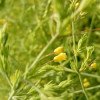
Asparagus officinalis (L.)
1 -
Asparagus oligoclonos (Maxim.)
-
Asparagus oliveri ((Oberm.) Fellingham & N.L.Mey.)
-
Asparagus ovatus (T.M.Salter)
-
Asparagus oxyacanthus (Baker)
-
Asparagus pachyrrhizus (Ivanova ex N.V.Vlassova)
-
Asparagus palaestinus (Baker)
-
Asparagus pallasii (Miscz.)
-
Asparagus pastorianus (Webb & Berthel.)
-
Asparagus pearsonii (Kies)
-
Asparagus pendulus ((Oberm.) J.-P.Lebrun & Stork)
-
Asparagus penicillatus (Hara)
-
Asparagus persicus (Baker)
-
Asparagus petersianus (Kunth)
-
Asparagus plocamoides (Webb ex Steud.)
-
Asparagus poissonii (H.Perrier)
-
Asparagus prostratus (Dumort.)
-
Asparagus przewalskyi (Ivanova ex Grubov & T.V.Egorova)
-
Asparagus pseudoscaber (Grecescu)
-
Asparagus psilurus (Welw. ex Baker)
-
Asparagus punjabensis (J.L.Stewart)
-
Asparagus pygmaeus (Makino)
-
Asparagus racemosus (Willd.)
-
Asparagus radiatus (Sebsebe)
-
Asparagus ramosissimus (Baker)
-
Asparagus recurvispinus ((Oberm.) Fellingham & N.L.Mey.)
-
Asparagus retrofractus (L.)
-
Asparagus richardsiae (Sebsebe)
-
Asparagus rigidus (Jessop)
-
Asparagus ritschardi (De Wild.)
-
Asparagus rogersii (R.E.Fr.)
-
Asparagus rottleri (Baker)
-
Asparagus rubicundus (P.J.Bergius)
-
Asparagus rubricaulis (Baker)
-
Asparagus sapinii (De Wild.)
-
Asparagus sarmentosus (L.)
-
Asparagus saundersiae (Baker)
-
Asparagus scaberulus (A.Rich.)
-
Asparagus scandens (Thunb.)
-
Asparagus schoberioides (Kunth)
-
Asparagus schroederi (Engl.)
-
Asparagus schumanianus (Schltr. ex H.Perrier)
-
Asparagus scoparius (Lowe)
-
Asparagus sekukuniensis ((Oberm.) Fellingham & N.L.Mey.)
-
Asparagus setaceus ((Kunth) Jessop)
-
Asparagus sichuanicus (S.C.Chen & D.Q.Liu)
-
Asparagus simulans (Baker)
-
Asparagus spinescens (Steud.)
-
Asparagus squarrosus (J.A.Schmidt)
-
Asparagus stellatus (Baker)
-
Asparagus stipulaceus (Lam.)
-
Asparagus striatus ((L.f.) Thunb.)
-
Asparagus suaveolens (Burch.)
-
Asparagus subfalcatus (De Wild.)
-
Asparagus subscandens (F.T.Wang & S.C.Chen)
-
Asparagus subulatus (Thunb.)
-
Asparagus sylvicola (S.M.Burrows)
-
Asparagus taliensis (F.T.Wang & Tang ex S.C.Chen)
-
Asparagus tamariscinus (Ivanova ex Grubov)
-
Asparagus tenuifolius (Lam.)
-
Asparagus tibeticus (F.T.Wang & S.C.Chen)
-
Asparagus touranensis (Hamdi & Assadi)
-
Asparagus transvaalensis ((Oberm.) Fellingham & N.L.Mey.)
-
Asparagus trichoclados ((F.T.Wang & Tang) F.T.Wang & S.C.Chen)
-
Asparagus trichophyllus (Bunge)
-
Asparagus turkestanicus (Popov)
-
Asparagus uhligii (K.Krause)
-
Asparagus umbellatus (Link)
2 -
Asparagus umbellulatus (Bresler)
-
Asparagus undulatus (Thunb.)
-
Asparagus usambarensis (Sebsebe)
-
Asparagus vaginellatus (Bojer ex Baker)
-
Asparagus verticillatus (L.)
-
Asparagus virgatus (Baker)
-
Asparagus volubilis (Thunb.)
-
Asparagus vvedenskyi (Botsch.)
-
Asparagus warneckei ((Engl. ex Hutch.) Hutch.)
-
Asparagus yanbianensis (S.C.Chen)
-
Asparagus yanyuanensis (S.C.Chen)