
Genus Citrus in Family Rutaceae
In botanical taxonomy, a genus (plural genera) is a rank used to group closely related species within a family. In the hierarchy, genus sits below family and above species.
Genera are defined by shared morphological, anatomical, and genetic characteristics (for example, features of flowers, fruits, seeds, or leaves) that indicate a close evolutionary relationship among the species they contain.
Each genus can include one or more species. Examples include Rosa (roses) and Solanum (nightshades, including tomato and eggplant).
Do you wish to read more about plant taxonomy? Click here!
Genus Description
Suggest a correction!Citrus, a genus of the Rutaceae family (subfamily Aurantioideae), comprises ten true species (POWO, 2024; WFO, 2024). Native to Southeast Asia and cultivated worldwide in tropical regions, its members are evergreen trees that dominate orchards across Mediterranean to Pacific. The type species is Citrus medica L., the citron, which anchors the genus in the Linnaean typification.
Diagnostic traits include unifoliate or trifoliate leaves with a distinct winged petiole, absent stipules, and a dense covering of peltate oil glands that give a fragrant sheen. Axillary inflorescences are solitary or form small clusters, bearing pentamerous flowers with a conspicuous nectar disc and 10–30 free stamens. The superior ovary consists of 4–12 fused carpels with axile placentation, ripening into a specialized hesperidium: a leathery exocarp, spongy mesocarp, and juicy vesicles that house polyembryonic seeds.
Diversity is concentrated in Indo‑Burma and Malesian hotspots, with endemic species such as C. ichangensis in central China and C. wakonai in the Philippines (Miller et al., 2022). Natural populations occupy dry woodlands up to 1,500 m, but most species are cultivated in orchard settings. The genus shows a clear division between Asian wild taxa and the American cultivated lineages, reflecting both ancient divergence and recent domestication pathways.
Intrinsic biology involves insect pollination, primarily by bees, although many commercial cultivars are parthenocarpic and set seedless fruit without fertilization. Fruit dispersal in the wild is by frugivorous birds and mammals, while human‑mediated seed movement has spread cultivars globally. Chromosome base number is consistently reported as x = 9 (Miller et al., 2022), supporting a relatively stable karyotype across taxa.
Taxonomically, Citrus has undergone major re‑circumscription. Earlier taxonomic treatments recognized many taxa, a broad view later collapsed by modern phylogenetics (Miller et al., 2022). Current treatments accept ~10 species and place the genus in Rutaceae within order Sapindales (APG IV, 2016). Alternative concepts, such as those of Mabberley (2021), retain broader circumscriptions, highlighting unresolved species limits.
Human relevance is dominated by horticulture: oranges, lemons, limes, grapefruits and related hybrids provide fresh fruit, juice, essential oils and ornamental foliage. The trees are not valued for timber and, while some species naturalize, they are generally not invasive. Conservation concerns focus on wild relatives threatened by habitat loss and over‑exploitation for breeding programs. Continued effort to safeguard germplasm and resolve phylogenetic relationships will be essential to maintain genetic resilience for future cultivation.
-
Citrus × aurantium (L.)
2 -
Citrus assamensis (S.Dutta & S.C.Bhattacharya)
-
Citrus aurantiaca (Swingle)
-
Citrus aurantiifolia ((Christm.) Swingle)
-
Citrus australasica (F.Muell.)
-
Citrus australis (Planch.)
-
Citrus cavaleriei (H.Lév. ex Cavalerie)
-
Citrus garrawayi (F.M.Bailey)
-
Citrus glauca ((Lindl.) Burkill)
-
Citrus gracilis (Mabb.)
-
Citrus halimii (B.C.Stone)
-
Citrus hystrix (DC.)
-
Citrus indica (Tanaka)
-
Citrus inodora (F.M.Bailey)
-
Citrus japonica (Thunb.)
-
Citrus khasya (Markovitch)
-
Citrus latipes ((Swingle) Tanaka)
-
Citrus limon ((L.) Osbeck)
-
Citrus mangshanensis (S.W.He & G.F.Liu)
-
Citrus maxima ((Burm.) Merr.)
-
Citrus medica (L.)
-
Citrus neocaledonica (Guillaumin)
-
Citrus oxanthera (Beauvis.)
-
Citrus polytrifolia (Govaerts)
-
Citrus pubinervia (D.G.Zhang, Z.H.Xiang & Y.Wu)
-
Citrus reticulata (Blanco)
-
Citrus swinglei (Burkill ex Harms)
-
Citrus tachibana ((Makino) Tanaka)
-
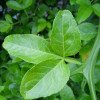
Citrus trifoliata (L.)
-
Citrus undulata (Guillaumin)
-
Citrus wakonai (P.I.Forst. & M.W.Sm.)
-
Citrus warburgina (F.M.Bailey)
-
Citrus wintersii (Mabb.)