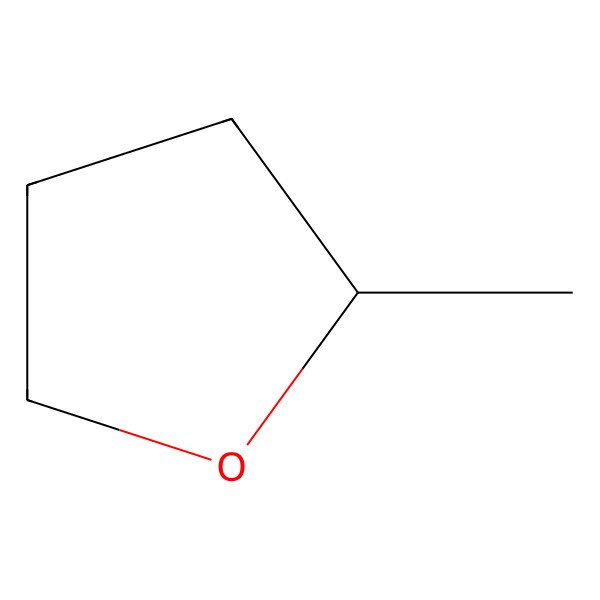
| 96-47-9 |
| 2-Methyloxolane |
| Tetrahydrosylvan |
| Tetrahydro-2-methylfuran |
| Furan, tetrahydro-2-methyl- |
| MTHF |
| FCD0VD8ALF |
| DTXSID9030258 |
| NSC-2115 |
| DTXCID7010258 |
| RefChem:88394 |
| 202-507-4 |
| Methyltetrahydrofuran |
| Furan, 2-methyl-tetrahydro- |
| 25265-68-3 |
| 2-MeTHF |
| Tetrahydrosilvan |
| Furan, tetrahydromethyl- |
| MFCD00005367 |
| 2-methyl tetrahydrofuran |
| methyl tetrahydrofuran |
| 2-methyl-tetrahydrofuran |
| UNII-FCD0VD8ALF |
| NSC 2115 |
| EINECS 202-507-4 |
| 2-methyl-tetrahydro-furan |
| BRN 0102448 |
| AI3-25425 |
| CCRIS 8717 |
| 2-Methylfuranidine |
| Methy THF |
| MeTHF |
| (+/-)-2-Methyltetrahydrofuran; MTHF; NSC 2115; Tetrahydro-2-methylfuran; Tetrahydrosylvan; 2-Me-THF |
| EINECS 246-769-8 |
| UN2536 |
| methyl-tetrahydrofuran |
| Me-THF |
| Methyl tetrahydrofurane |
| 2-methyltetrahyrdofuran |
| 2-methyltetrahydrofurane |
| 2-methyl tetrahydrofurane |
| 2-methyl-tetrahydrofurane |
| EC 202-507-4 |
| SCHEMBL4987 |
| Tetrahydrofuran, 2-methyl- |
| WLN: T5OTJ B1 |
| SCHEMBL18035 |
| SCHEMBL73036 |
| 5-17-01-00078 (Beilstein Handbook Reference) |
| (2S)-2-methyltetrahydrofuran |
| SCHEMBL168088 |
| SCHEMBL287094 |
| SCHEMBL354445 |
| SCHEMBL601358 |
| SCHEMBL4166818 |
| SCHEMBL4206048 |
| CHEMBL1580503 |
| SCHEMBL11027057 |
| NSC2115 |
| STR08776 |
| Tox21_200383 |
| 2-METHYLTETRAHYDROFURAN [MI] |
| AKOS009157664 |
| FM14741 |
| (+/-)-2-METHYLTETRAHYDROFURAN |
| CAS-96-47-9 |
| NCGC00090914-01 |
| NCGC00090914-02 |
| NCGC00257937-01 |
| 2-Methyltetrahydrofuran, analytical standard |
| DB-015964 |
| CS-0010107 |
| M0437 |
| NS00007944 |
| 2-Methyltetrahydrofuran (stabilised with BHT) |
| 2-Methyltetrahydrofuran (stabilized with BHT) |
| 2-Methyltetrahydrofuran - Stabilized with BHT |
| EN300-60207 |
| E80342 |
| 2-Methyltetrahydrofuran, purum, >=97.0% (GC) |
| F094054 |
| Q209444 |
| Methyltetrahydrofuran [UN2536] [Flammable liquid] |
| 2-Methyltetrahydrofuran, 99%, unstabiliZed, Extra Dry |
| 2-Methyltetrahydrofuran, anhydrous, >=99%, Inhibitor-free |
| 2-Methyltetrahydrofuran, absolute, stored over molecular sieve |
| 2-Methyltetrahydrofuran, stabilized, anhydrous, water Max 20ppm |
| 2-Methyltetrahydrofuran, 99%, anhydrous, stabiliZed with 150-400ppm BHT |
| 2-Methyltetrahydrofuran, anhydrous, >=99.0%, contains 250 ppm BHT as stabilizer |
| 2-Methyltetrahydrofuran, ReagentPlus(R), >=99.5%, contains 150-400 ppm BHT as stabilizer |
| 2-Methyltetrahydrofuran - stabilized (water < 20 ppm) packed in returnable 18, 90, or 180 liter stainless steel cylinders |
| 2-Methyltetrahydrofuran, anhydrous, contains 250 ppm BHT as stabilizer, ZerO2(TM), >=99.0% |
|
There are more than 10 synonyms. If you wish to see them all click here.
|