
Genus Solanum in Tribe Solaneae
In botanical taxonomy, a genus (plural genera) is a rank used to group closely related species within a family. In the hierarchy, genus sits below family and above species.
Genera are defined by shared morphological, anatomical, and genetic characteristics (for example, features of flowers, fruits, seeds, or leaves) that indicate a close evolutionary relationship among the species they contain.
Each genus can include one or more species. Examples include Rosa (roses) and Solanum (nightshades, including tomato and eggplant).
Do you wish to read more about plant taxonomy? Click here!
Genus Description
Suggest a correction!Solanum L. (family Solanaceae) comprises about 1,500 species on every continent except Antarctica, from tropical rainforests to temperate woodlands and arid deserts (POWO, 2024; WFO, 2024). The type species is the tomato Solanum lycopersicum L., described by Linnaeus (Olmstead & Bohs, 2007).
Plants are herbs, shrubs, or woody vines; most bear alternate, simple leaves, often with simple or stellate indumenta. Inflorescences are cymes or solitary flowers. Flowers are pentamerous, actinomorphic, with rotate or shallowly campanulate corollas; five stamens are inserted at the corolla base and dehisce via terminal pores. The superior ovary is bilocular with axile placentation and many ovules, maturing into a fleshy berry often enclosed by a persistent calyx. Seeds are flattened and often dispersed by birds or mammals.
The genus has pronounced centers of diversity in the Andes, Mexican highlands, and parts of tropical Africa, with narrow endemics in Australia and Oceania (Särkinen et al., 2013). Species range from sea level to 4,000 m, occupying lowland rainforests, montane cloud forests, dry woodlands, and semi‑desert scrub. This pattern reflects a mix of recent diversification and ancient relictual lineages, creating high species turnover among neighboring mountain ranges.
Pollination is chiefly entomophilous, involving bees, flies, and moths; some taxa such as Solanum rostratum are visited by hummingbirds. Fruiting berries attract avian and mammalian frugivores, facilitating long‑distance seed dispersal. The base chromosome number for the genus is x = 12, with diploid species usually 2n = 24 (Olmstead & Bohs, 2007).
Molecular phylogenies place Solanum within a well‑supported Solanaceae clade, and infrageneric groups such as subgenus Solanum, subgenus Leptostemonum (thorny taxa), and section Lycopersicon (tomato group) are recognised (Olmstead & Bohs, 2007). The former genus Lycopersicon was merged into Solanum on phylogenetic grounds (D’Arcy, 1991), though some taxonomists still treat it separately. Minor segregates, including Cyphomandra and certain Lycopersicon species, appear in current checklists (POWO, 2024; WFO, 2024).
Economically, Solanum includes globally important crops such as the potato (Solanum tuberosum), tomato, and eggplant (Solanum melongena), alongside a suite of ornamental nightshades cultivated for their colorful foliage and flowers. Several weedy species, notably Solanum nigrum and Solanum dulcamara, can become invasive in agricultural settings.
Many wild relatives are poorly surveyed and threatened by habitat loss, climate change, and over‑exploitation of genetic resources. Prioritizing the conservation of Solanum genetic diversity is essential for future crop improvement and ecosystem resilience, and genomic and ecological studies will be needed to safeguard these taxa.
-
Solanum × aemulans (Bitter & Wittm.)
-
Solanum × blanco\-galdosii (Ochoa)
-
Solanum × brucheri (Correll)
-
Solanum × doddsii (Correll)
-
Solanum × edinense (Berthault)
-
Solanum × michoacanum ((Bitter) Rydb.)
-
Solanum × neoweberbaueri (Wittm.)
-
Solanum × procurrens (A.C.Leslie)
-
Solanum × rechei (Hawkes & Hjert.)
-
Solanum × sambucinum (Rydb.)
-
Solanum × vallis\-mexici (Juz.)
-
Solanum abitaguense (S.Knapp)
-
Solanum abollatum (H.St.John)
-
Solanum abortivum (Symon)
-
Solanum absconditum (Agra)
-
Solanum abutilifolium (Rusby)
-
Solanum abutiloides ((Griseb.) Bitter & Lillo)
-
Solanum acanthodapis (A.R.Bean)
-
Solanum acanthodes (Hook.f.)
-
Solanum acaule (Bitter)
-
Solanum accrescens (Standl. & C.V.Morton)
2 -
Solanum acerifolium (Dunal)
-
Solanum achorum (S.Stern)
-
Solanum aciculare (Sw.)
-
Solanum acroglossum (Juz.)
-
Solanum acropterum (Griseb.)
-
Solanum acroscopicum (Ochoa)
-
Solanum actaeibotrys (Rusby)
-
Solanum actephilum (Guillaumin)
-
Solanum aculeastrum (Dunal)
-
Solanum aculeatissimum (Jacq.)
-
Solanum acuminatum (Ruiz & Pav.)
-
Solanum acutilobum (Dunal)
-
Solanum adamantium (Gouvêa)
-
Solanum adenobasis (M.Nee & Farruggia)
-
Solanum adenophorum (F.Muell.)
-
Solanum adoense (Hochst. ex A.Rich.)
-
Solanum adoxum (A.R.Bean)
-
Solanum adscendens (Sendtn.)
-
Solanum adspersum (Witasek)
-
Solanum aethiopicum (L.)
-
Solanum affine (Sendtn.)
-
Solanum africanum (Mill.)
-
Solanum agnewiorum (Voronts.)
-
Solanum agnoston (S.Knapp)
-
Solanum agrarium (Sendtn.)
-
Solanum agrimoniifolium (Rydb.)
-
Solanum ajanhuiri (Juz. & Bukasov)
-
Solanum alatirameum (Bitter)
-
Solanum albescens ((Britton ex Rusby) Hunz.)
-
Solanum albicans ((Ochoa) Ochoa)
-
Solanum albidum (Dunal)
-
Solanum albornozii (Correll)
-
Solanum albostellatum (R.W.Davis & P.J.H.Hurter)
-
Solanum aldabrense (C.H.Wright)
-
Solanum aligerum (Schltdl.)
-
Solanum alliariifolium (M.Nee & Särkinen)
-
Solanum allophyllum ((Miers) Standl.)
-
Solanum aloysiifolium (Dunal)
-
Solanum alphonsei (Dunal)
-
Solanum alpinum (Zoll. & Moritzi)
-
Solanum alternatopinnatum (Steud.)
-
Solanum altissimum (Benítez)
-
Solanum amayanum (Ochoa)
-
Solanum amblophyllum (Hook.)
-
Solanum amblymerum (Dunal)
-
Solanum americanum (Mill.)
-
Solanum amicorum (Benth.)
-
Solanum ammophilum (A.R.Bean)
-
Solanum amnicola (S.Knapp)
-
Solanum amorimii (S.Knapp & Giacomin)
-
Solanum amotapense (Svenson)
-
Solanum amygdalifolium (Steud.)
-
Solanum anamatophilum (Ochoa)
-
Solanum anceps (Ruiz & Pav.)
-
Solanum ancophilum ((Correll) Ochoa)
-
Solanum andreanum (Baker)
-
Solanum anfractum (Symon)
-
Solanum anguivi (Lam.)
-
Solanum angustialatum (Bitter)
-
Solanum angustifidum (Bitter)
-
Solanum angustifolium (Mill.)
-
Solanum angustum (Domin)
-
Solanum anisocladum (Giacomin & Stehmann)
-
Solanum anisophyllum (Van Heurck & Müll.Arg.)
-
Solanum annuum (C.V.Morton)
-
Solanum anoacanthum (Sendtn.)
-
Solanum anomalostemon (S.Knapp & M.Nee)
-
Solanum anomalum (Thonn.)
-
Solanum antisuyo (Särkinen & S.Knapp)
-
Solanum apaporanum (R.E.Schult.)
-
Solanum aparadense (L.A.Mentz & M.Nee)
-
Solanum aphyodendron (S.Knapp)
-
Solanum apiahyense (Witasek)
-
Solanum apiculatum (Sendtn.)
-
Solanum apodophyllum (A.R.Bean)
-
Solanum appendiculatum (Dunal)
-
Solanum appressum (K.E.Roe)
-
Solanum arachnidanthum (Rusby)
-
Solanum arachnoides (A.R.Bean)
-
Solanum arboreum (Dunal)
-
Solanum arcanum (Peralta)
-
Solanum arenarium (Sendtn.)
-
Solanum arenicola (Särkinen & P.Gonzáles)
-
Solanum arequipense (Bitter)
-
Solanum argenteum (Dunal)
-
Solanum argentinum (Bitter & Lillo)
-
Solanum argopetalum (A.R.Bean)
-
Solanum aridicola (A.R.Bean)
-
Solanum aridum (Morong)
-
Solanum armentalis (J.L.Gentry & D'Arcy)
-
Solanum armourense (A.R.Bean)
-
Solanum artense (Montrouz.)
-
Solanum arundo (Mattei)
-
Solanum ashbyae (Symon)
-
Solanum asperolanatum (Ruiz & Pav.)
-
Solanum asperrimum (Bitter & Moritz)
-
Solanum aspersum (S.Knapp)
-
Solanum asperum (Rich.)
-
Solanum asterophorum (Mart.)
-
Solanum asteropilodes (Bitter)
-
Solanum asymmetriphyllum (Specht)
-
Solanum athenae (Symon)
-
Solanum atitlanum (K.E.Roe)
-
Solanum atropurpureum (Schrank)
-
Solanum aturense (Dunal)
-
Solanum augustii (Ochoa)
-
Solanum aureitomentosum (Bitter)
-
Solanum aureum (Dunal)
-
Solanum austro-caledonicum (Seem.)
-
Solanum austropiceum (A.R.Bean)
-
Solanum aviculare (G.Forst.)
-
Solanum axillifolium (K.E.Roe)
-
Solanum ayacuchense (Ochoa)
-
Solanum bahamense (L.)
-
Solanum bahianum (S.Knapp)
-
Solanum banzicum (A.R.Bean)
-
Solanum barbeyanum (Huber)
-
Solanum barbisetum (Nees)
-
Solanum barbulatum (Zahlbr.)
-
Solanum baretiae (Tepe)
-
Solanum basendopogon (Bitter)
-
Solanum batoides (D'Arcy & Rakot.)
-
Solanum bauerianum (Endl.)
-
Solanum beaugleholei (Symon)
-
Solanum bellum (S.Knapp)
-
Solanum berthaultii (Hawkes)
-
Solanum betaceum (Cav.)
-
Solanum betroka (D'Arcy & Rakot.)
-
Solanum bicolor (Willd.)
-
Solanum bicorne (Dunal)
-
Solanum bistellatum (L.B.Sm. & Downs)
-
Solanum bohsiae (J.D.Tovar)
-
Solanum boldoense (Dunal & A.DC.)
-
Solanum bolivianum (Britton ex Rusby)
-
Solanum boliviense (Dunal)
-
Solanum bombycinum (Ochoa)
-
Solanum bonariense (L.)
-
Solanum borgmannii (Symon)
-
Solanum brachyantherum (Phil.)
-
Solanum bradei (Giacomin & Stehmann)
-
Solanum brevicaule (Bitter)
-
Solanum brevifolium (Dunal)
-
Solanum brevipedicellatum (K.E.Roe)
-
Solanum brownii (Dunal)
-
Solanum buddleifolium (Sendtn.)
-
Solanum buesii (Vargas)
-
Solanum bulbocastanum (Dunal)
-
Solanum bullatum (Vell.)
-
Solanum bumeliifolium (Dunal)
-
Solanum burchellii (Dunal)
-
Solanum burkartii (Ochoa)
-
Solanum caatingae (S.Knapp & Särkinen)
-
Solanum caavurana (Vell.)
-
Solanum cacosmum (Bohs)
-
Solanum caelicola (Giacomin & Stehmann)
-
Solanum caesium (Griseb.)
-
Solanum cajamarquense (Ochoa)
-
Solanum cajanumense (Kunth)
-
Solanum calidum (Bohs)
-
Solanum calileguae (Cabrera)
-
Solanum callianthum (C.V.Morton)
-
Solanum callosum (A.R.Bean)
-
Solanum campaniforme (Roem. & Schult.)
-
Solanum campanulatum (R.Br.)
-
Solanum campechiense (L.)
-
Solanum camptostylum (Bitter)
-
Solanum campylacanthum (Hochst. ex A.Rich.)
-
Solanum camranhense (Dy Phon & Hul)
-
Solanum candidum (Lindl.)
-
Solanum candolleanum (Berthault)
-
Solanum canense (Rydb.)
-
Solanum canoasense (L.B.Sm. & Downs)
-
Solanum cantense (Ochoa)
-
Solanum capense (L.)
-
Solanum capillipes (Britton)
-
Solanum capitaneum (A.R.Bean)
-
Solanum capoerum (Dunal)
-
Solanum capsiciforme ((Domin) G.T.S.Baylis)
-
Solanum capsicoides (All.)
-
Solanum caquetense (J.D.Tovar)
-
Solanum carautae (Carvalho)
-
Solanum cardiophyllum (Lindl.)
-
Solanum carduiforme (F.Muell.)
-
Solanum caricaefolium (Rusby)
-
Solanum caripense (Dunal)
-
Solanum carolinense (L.)
2 -
Solanum cassioides (L.B.Sm. & Downs)
-
Solanum castaneum (Carvalho)
-
Solanum cataphractum (A.Cunn. ex Benth.)
-
Solanum catilliflorum (G.J.Anderson, Martine, Prohens & Nuez)
-
Solanum catombelense (Peyr.)
-
Solanum caumii ((F.Br.) D.H.R.McClell.)
-
Solanum celatum (A.R.Bean)
-
Solanum celsum (Standl. & C.V.Morton)
-
Solanum centrale (J.M.Black)
-
Solanum cerasiferum (Dunal)
-
Solanum cernuum (Vell.)
-
Solanum chachapoyasense (Bitter)
-
Solanum chacoense (Bitter)
-
Solanum chaetophorum (C.V.Morton)
-
Solanum chalmersii (S.Knapp)
-
Solanum chamaeacanthum (Griseb.)
-
Solanum chamaepolybotryon (Bitter)
-
Solanum cheesmaniae ((L.Riley) Fosberg)
-
Solanum chenopodinum (F.Muell.)
-
Solanum chenopodioides (Lam.)
-
Solanum chiapasense (K.E.Roe)
-
Solanum chilense ((Dunal) Reiche)
-
Solanum chiliadenium (Bitter)
-
Solanum chillagoense ((Domin) A.R.Bean)
-
Solanum chilliasense (Ochoa)
-
Solanum chimborazense (Bitter & Sodiro)
-
Solanum chippendalei (Symon)
-
Solanum chiquidenum (Ochoa)
-
Solanum chlamydogynum (Bitter)
-
Solanum chmielewskii ((C.M.Rick, Kesicki, Fobes & M.Holle) D.M.Spooner, G.J.Anderson & R.K.Jansen)
-
Solanum chomatophilum (Bitter)
-
Solanum chrysasteroides (Werderm.)
-
Solanum chrysotrichum (Schltdl.)
-
Solanum cinereum (R.Br.)
-
Solanum cinnamomeum (Sendtn.)
-
Solanum citrinum (M.Nee)
-
Solanum citrullifolium (A.Braun)
2 -
Solanum cladotrichum (Dunal)
-
Solanum clandestinum (Bohs)
-
Solanum clarkiae (Symon)
-
Solanum clarum (Correll)
-
Solanum clathratum (Sendtn.)
-
Solanum cleistogamum (Symon)
-
Solanum clivorum (S.Knapp)
-
Solanum coactiliferum (J.M.Black)
-
Solanum coagulans (Forssk.)
-
Solanum coalitum (S.Knapp)
-
Solanum cobanense (J.L.Gentry)
-
Solanum cochabambense (Bitter)
-
Solanum cochoae (G.J.Anderson & Bernardello)
-
Solanum cocosoides (A.R.Bean)
-
Solanum colombianum (Dunal)
-
Solanum comarapanum (M.Nee)
-
Solanum comitis (Dunal)
-
Solanum commersonii (Poir.)
-
Solanum complectens (M.Nee & G.J.Anderson)
-
Solanum compressum (L.B.Sm. & Downs)
-
Solanum comptum (C.V.Morton)
-
Solanum concarense (Hunz.)
-
Solanum concinnum (Schott ex Sendtn.)
-
Solanum confertiflorum (Stehmann & Tabosa)
-
Solanum confertiseriatum (Bitter)
-
Solanum confine (Dunal)
-
Solanum confusum (C.V.Morton)
-
Solanum conglobatum (Dunal)
-
Solanum conicum (Ruiz & Pav.)
-
Solanum conocarpum (Dunal)
-
Solanum consimile (C.V.Morton)
-
Solanum contumazaense (Ochoa)
-
Solanum cookii (Symon)
-
Solanum coquimbense (J.R.Benn.)
-
Solanum coracinum (Symon)
-
Solanum cordatum (Forssk.)
-
Solanum cordicitum (S.Stern)
-
Solanum cordifolium (Dunal)
-
Solanum cordioides (S.Knapp)
-
Solanum cordovense (Sessé & Moc.)
-
Solanum coriaceum (Dunal)
-
Solanum corifolium (F.Muell.)
-
Solanum corneliomulleri (J.F.Macbr.)
-
Solanum cornifolium (Dunal)
-
Solanum corumbense (S.Moore)
-
Solanum corymbiflorum ((Sendtn.) Bohs)
1 -
Solanum corymbosum (Jacq.)
-
Solanum costatum (M.Nee)
-
Solanum cowiei (Martine)
-
Solanum crassinervium (Tepe)
-
Solanum crassitomentosum (Domin)
-
Solanum crebrispinum (A.R.Bean)
-
Solanum crinitipes (Dunal)
-
Solanum crinitum (Lam.)
-
Solanum crispum (Ruiz & Pav.)
-
Solanum croatii (D'Arcy & R.C.Keating)
-
Solanum crotonifolium (Dunal)
-
Solanum crotonoides (Lam.)
-
Solanum cruciferum (Bitter)
-
Solanum cucullatum (S.Knapp)
-
Solanum cunninghamii (Benth.)
-
Solanum curtilobum (Juz. & Bukasov)
-
Solanum curvicuspe (Domin)
-
Solanum cutervanum (Zahlbr.)
-
Solanum cyaneopurpureum (De Wild.)
-
Solanum cyanocarphium (Blume)
-
Solanum cyathophorum (M.Nee & Farruggia)
-
Solanum cyclophyllum (S.Knapp)
-
Solanum cylindricum (Vell.)
-
Solanum cymbalariifolium (Chiov.)
-
Solanum dalibardiforme (Bitter)
-
Solanum dallmannianum (Warb.)
-
Solanum dammerianum (Lauterb. & K.Schum.)
-
Solanum daphnophyllum (Bitter)
-
Solanum darienense (S.Knapp)
-
Solanum dasyanthum (Brandegee)
-
Solanum dasyneuron (S.Knapp)
-
Solanum dasyphyllum (Schumach. & Thonn.)
-
Solanum davidsei (Carvalho)
-
Solanum davisense (Whalen)
-
Solanum decompositiflorum (Sendtn.)
-
Solanum decorum (Sendtn.)
-
Solanum defensum (F.Muell.)
-
Solanum deflexicarpum (C.Y.Wu & S.C.Huang)
-
Solanum deflexiflorum (Bitter)
-
Solanum deflexum (Greenm.)
-
Solanum delicatulum (L.B.Sm. & Downs)
-
Solanum delitescens (C.V.Morton)
-
Solanum demissum (Lindl.)
-
Solanum dendroicum (O.E.Schulz & Ekman)
-
Solanum dennekense (Dammer)
-
Solanum denseaculeatum (Symon)
-
Solanum densevestitum (F.Muell. ex Benth.)
-
Solanum depauperatum (Dunal)
-
Solanum diamantinense (Agra)
-
Solanum dianthum (Rusby)
-
Solanum dichroandrum (Dunal)
-
Solanum didymum (Dunal)
-
Solanum dillonii (S.Knapp)
-
Solanum dimidiatum (Raf.)
-
Solanum dimorphandrum (S.Knapp)
-
Solanum dimorphispinum (C.T.White)
-
Solanum dioicum (W.Fitzg.)
-
Solanum diphyllum (L.)
-
Solanum diploconos ((Mart.) Bohs)
-
Solanum discolor (R.Br.)
-
Solanum dissectum (Symon)
-
Solanum dissimile (C.V.Morton)
-
Solanum distichophyllum (Sendtn.)
-
Solanum ditrichum (A.R.Bean)
-
Solanum diversiflorum (F.Muell.)
-
Solanum diversifolium (Dunal)
1 -
Solanum dolichocremastrum (Bitter)
-
Solanum dolichorhachis (Bitter)
-
Solanum dolichosepalum (Bitter)
-
Solanum dolosum (S.Knapp)
-
Solanum donianum (Walp.)
-
Solanum douglasii (Dunal)
-
Solanum dryanderense (A.R.Bean)
-
Solanum dulcamara (L.)
-
Solanum dulcamaroides (Poir.)
-
Solanum dumicola (A.R.Bean)
-
Solanum dunalianum (Gaudich.)
-
Solanum dysprosium (A.R.Bean)
-
Solanum eardleyae (Symon)
-
Solanum eburneum (Symon)
-
Solanum echegarayi (Hieron.)
-
Solanum echinatum (R.Br.)
-
Solanum edmondstonii (Hook.f.)
-
Solanum edmundoi (Cuevas & N.M.Núñez)
-
Solanum ehrenbergii ((Bitter) Rydb.)
-
Solanum eitenii (Agra)
-
Solanum elachophyllum (F.Muell.)
-
Solanum elaeagnifolium (Cav.)
-
Solanum elatius (A.R.Bean)
-
Solanum ellipticum (R.Br.)
-
Solanum elvasioides (S.Knapp)
-
Solanum eminens (A.R.Bean)
-
Solanum emmottii (A.R.Bean)
-
Solanum emulans (Raf.)
-
Solanum enantiophyllanthum (Bitter)
-
Solanum endoadenium (Bitter)
-
Solanum endopogon ((Bitter) Bohs)
1 -
Solanum ensifolium (Dunal)
-
Solanum eremophilum (F.Muell.)
-
Solanum erianthum (D.Don)
-
Solanum erosomarginatum (S.Knapp)
-
Solanum erythracanthum (Dunal)
-
Solanum erythrotrichum (Fernald)
-
Solanum esuriale (Lindl.)
-
Solanum etuberosum (Lindl.)
-
Solanum euacanthum (Phil.)
-
Solanum evolvulifolium (Greenm.)
-
Solanum evolvuloides (Giacomin & Stehmann)
-
Solanum evonymoides (Sendtn.)
-
Solanum exemptum (A.R.Bean)
-
Solanum exiguum (Bohs)
-
Solanum expedunculatum (Symon)
-
Solanum falciforme (Farruggia)
-
Solanum falconense (S.Knapp)
-
Solanum fallax (Bohs)
-
Solanum fecundum (A.R.Bean)
-
Solanum felinum (Bitter ex Whalen)
-
Solanum fernandesii (V.S.Samp. & R.Moura)
-
Solanum fernandezianum (Phil.)
-
Solanum ferocissimum (Lindl.)
-
Solanum ferrugineum (Jacq.)
-
Solanum fervens (A.R.Bean)
-
Solanum fiebrigii (Bitter)
-
Solanum filiforme (Ruiz & Pav.)
-
Solanum filirhachis (Giacomin & Stehmann)
-
Solanum flaccidum (Vell.)
-
Solanum flagellare (Sendtn.)
-
Solanum flahaultii (Bitter)
-
Solanum flexicaule (Benth.)
-
Solanum foetens (Pittier ex S.Knapp)
-
Solanum forskalii (Dunal)
-
Solanum fortunense (Bohs)
-
Solanum fosbergianum (D'Arcy)
-
Solanum fragile (Wedd.)
-
Solanum francisii (A.R.Bean)
-
Solanum fraxinifolium (Dunal)
-
Solanum friburgense (Giacomin & Stehmann)
-
Solanum fulvidum (Bitter)
-
Solanum furcatum (Dunal)
-
Solanum furfuraceum (R.Br.)
-
Solanum fusiforme (L.B.Sm. & Downs)
-
Solanum gabrielae (Domin)
-
Solanum galactites (A.R.Bean)
-
Solanum galapagense (S.C.Darwin & Peralta)
-
Solanum galbinum (A.R.Bean)
-
Solanum gandarillasii (Cárdenas)
-
Solanum garcia-barrigae (Ochoa)
-
Solanum gardneri (Sendtn.)
-
Solanum gertii (S.Knapp)
-
Solanum gibbsiae (J.R.Drumm.)
-
Solanum giganteum (Jacq.)
-
Solanum gilesii (Symon)
-
Solanum gilioides (Rusby)
-
Solanum glabratum (Dunal)
-
Solanum glandulosipilosum (Bitter)
-
Solanum glaucescens (Zucc.)
-
Solanum glaucophyllum (Desf.)
-
Solanum glutinosum (Dunal)
-
Solanum gnaphalocarpon (Vell.)
-
Solanum goetzei (Dammer)
-
Solanum gomphodes (Dunal)
-
Solanum goniocaulon (S.Knapp)
-
Solanum gonocladum (Dunal)
-
Solanum gonyrhachis (S.Knapp)
-
Solanum goodspeedii (K.E.Roe)
-
Solanum graciliflorum (Dunal)
-
Solanum gracilifrons (Bitter)
-
Solanum grandidentatum (Phil.)
-
Solanum grandiflorum (Ruiz & Pav.)
-
Solanum graniticola (V.Samp. & Gouvêa)
-
Solanum graniticum (A.R.Bean)
-
Solanum granuloso-leprosum (Dunal)
-
Solanum gratum (Bitter)
-
Solanum graveolens (Bunbury)
-
Solanum grayi (Rose)
2 -
Solanum guamense (Merr.)
-
Solanum guaraniticum (A.St.-Hil.)
-
Solanum guerreroense (Correll)
-
Solanum guineense (L.)
-
Solanum gundlachii (Urb.)
-
Solanum gympiense (Symon)
-
Solanum habrocaulon (S.Knapp)
-
Solanum habrochaites (S.Knapp & D.M.Spooner)
-
Solanum hamulosum (C.T.White)
-
Solanum hapalum (A.R.Bean)
-
Solanum harmandii (Bonati)
-
Solanum hasslerianum (Chodat)
-
Solanum hastifolium (Hochst. ex Dunal)
-
Solanum hastiforme (Correll)
-
Solanum havanense (Jacq.)
-
Solanum hayesii (Fernald)
-
Solanum hazenii (Britton)
-
Solanum heinianum (D'Arcy & R.C.Keating)
-
Solanum heiseri (G.J.Anderson)
-
Solanum heleonastes (S.Knapp)
-
Solanum helix (Giacomin & Stehmann)
-
Solanum herbabona (Reiche)
-
Solanum herculeum (Bohs)
-
Solanum hesperium (Symon)
-
Solanum heterodoxum (Dunal)
-
Solanum heteropodium (Symon)
-
Solanum hexandrum (Vell.)
-
Solanum hibernum (Bohs)
-
Solanum hieronymi (Kuntze)
-
Solanum hillebrandii (H.St.John)
-
Solanum hindsianum (Benth.)
-
Solanum hintonii (Correll)
-
Solanum hirtellum ((Spreng.) Hassl.)
-
Solanum hirtulum (Steud. ex A.Rich.)
-
Solanum hirtum (Vahl)
-
Solanum hispidum (Pers.)
1 -
Solanum hjertingii (Hawkes)
-
Solanum hoehnei (C.V.Morton)
-
Solanum hoffmanseggii (Sendtn.)
-
Solanum holophyllum (Bitter)
-
Solanum homalospermum (Chiarini)
-
Solanum hoplopetalum (Bitter & Summerh.)
-
Solanum horridum (Dunal)
-
Solanum hougasii (Correll)
-
Solanum houstonii (Martyn)
-
Solanum hovei (Dunal)
-
Solanum huancabambense (Ochoa)
-
Solanum huayavillense (Del Vitto & Peten.)
-
Solanum huaylasense (Peralta)
-
Solanum hugonis (Heine)
-
Solanum huilense (Bohs)
-
Solanum humblotii (Dammer)
-
Solanum humboldtianum (Granados-Tochoy & S.Knapp)
-
Solanum humectophilum (Ochoa)
-
Solanum humile (Lam.)
-
Solanum hunzikeri (Chiarini & Cantero)
-
Solanum hutchisonii ((J.F.Macbr.) Bohs)
-
Solanum hydroides (Gouvêa & Giacomin)
-
Solanum hypacrarthrum (Bitter)
-
Solanum hypaleurotrichum (Bitter)
-
Solanum hypermegethes (Werderm.)
-
Solanum hypocalycosarcum (Bitter)
-
Solanum hyporhodium (A.Braun & C.D.Bouché)
-
Solanum hystrix (R.Br.)
-
Solanum igniferum (Gouvêa & Stehmann)
-
Solanum iltisii (K.E.Roe)
-
Solanum imamense (Dunal)
-
Solanum imbaburense (S.Knapp)
-
Solanum imberbe (Bitter)
-
Solanum immite (Dunal)
-
Solanum inaequilaterum (Domin)
-
Solanum inaequiradians (Werderm.)
-
Solanum inamoenum (Benth.)
-
Solanum incanoalabastrum (Symon)
-
Solanum incanum (L.)
-
Solanum incarceratum (Ruiz & Pav.)
-
Solanum incasicum (Ochoa)
-
Solanum incompletum (Dunal)
-
Solanum incomptum (Bitter)
-
Solanum incurvum (Ruiz & Pav.)
-
Solanum indivisum (Witasek ex J.R.Benn.)
-
Solanum inelegans (Rusby)
-
Solanum infundibuliforme (Phil.)
-
Solanum infuscatum (Symon)
-
Solanum innoxium (A.R.Bean)
-
Solanum inodorum (Vell.)
-
Solanum inornatum (Witasek)
-
Solanum insanum (L.)
-
Solanum insidiosum (Mart.)
-
Solanum insulae-pinorum (Heine)
-
Solanum interandinum (Bitter)
-
Solanum interius (Rydb.)
-
Solanum intermedium (Sendtn.)
-
Solanum intonsum (A.R.Bean)
-
Solanum invictum (A.R.Bean)
-
Solanum involucratum (Blume)
-
Solanum iodinum (A.R.Bean)
-
Solanum iodotrichum (Van Heurck & Müll.Arg.)
-
Solanum ionidium (Bitter)
-
Solanum iopetalum ((Bitter) Hawkes)
-
Solanum irregulare (C.V.Morton)
-
Solanum isodynamum (Sendtn.)
-
Solanum itatiaiae (Dusén)
-
Solanum ivohibe (D'Arcy & Rakot.)
-
Solanum jabrense (Agra & M.Nee)
-
Solanum jamaicense (Mill.)
-
Solanum jamesii (Torr.)
-
Solanum jobsonii (Martine, J.Cantley & L.M.Lacey)
-
Solanum johnsonianum (A.R.Bean)
-
Solanum johnstonii (Whalen)
-
Solanum jubae (Bitter)
-
Solanum jucundum (A.R.Bean)
-
Solanum juglandifolium (Dunal)
-
Solanum julocrotonoides (Hassl.)
-
Solanum junctum (S.Stern & M.Nee)
-
Solanum juninense (Bitter)
-
Solanum jussiaei (Dunal)
-
Solanum juvenale (Thell.)
-
Solanum juzepczukii (Bukasov)
-
Solanum kachinense (X.Aubriot & S.Knapp)
-
Solanum karsense (Symon)
-
Solanum kentrocaule (A.R.Bean)
-
Solanum kioniotrichum (Bitter ex J.F.Macbr.)
-
Solanum kleinii (L.B.Sm. & Downs)
-
Solanum knappiae (Agra & V.S.Samp.)
-
Solanum knoblochii ((Whalen) S.Stern)
-
Solanum kriegeri (Giacomin & Stehmann)
-
Solanum kulliwaita (S.Knapp)
-
Solanum kurtzianum (Bitter & Wittm.)
-
Solanum labyrinthinum (D.H.R.McClell.)
-
Solanum lacerdae (Dusén)
-
Solanum lachnophyllum (Symon)
-
Solanum laciniatum (Aiton)
-
Solanum lacteum (Vell.)
-
Solanum lacunarium (F.Muell.)
-
Solanum laevigatum (Dunal)
-
Solanum lagoense (Stehmann)
-
Solanum lamprocarpum (Bitter)
-
Solanum lanceifolium (Jacq.)
-
Solanum lanceolatum (Cav.)
-
Solanum lantana (Sendtn.)
-
Solanum lanzae (J.-P.Lebrun & Stork)
-
Solanum lapidosum (A.R.Bean)
-
Solanum lasiocarpum (Dunal)
-
Solanum lasiocladum (S.Knapp)
-
Solanum lasiophyllum (Dunal)
-
Solanum lasiopodium (Dunal)
-
Solanum latens (A.R.Bean)
-
Solanum latiflorum (Bohs)
-
Solanum laurifrons (Bitter)
-
Solanum laxissimum (Bitter)
-
Solanum laxum (Spreng.)
-
Solanum leiophyllum (Benth.)
-
Solanum leontopodium (Sendtn.)
-
Solanum leopoldensis (Symon)
-
Solanum lepidotum (Dunal)
-
Solanum leptacanthum (Merr. & L.M.Perry)
-
Solanum leptocaulon (Van Heurck & Müll.Arg.)
-
Solanum leptopodum (Van Heurck & Müll.Arg.)
-
Solanum leptorhachis (Bitter)
-
Solanum leptostachys (Dunal)
-
Solanum leratii (Schltr.)
-
Solanum lesteri (Hawkes & Hjert.)
-
Solanum leucandrum (Whalen)
-
Solanum leucocarpon (Dunal)
-
Solanum leucodendron (Sendtn.)
-
Solanum leucopogon (Huber)
-
Solanum lhotskyanum (Dunal)
-
Solanum lichtensteinii (Willd.)
-
Solanum lidii (Sunding)
-
Solanum lignescens (Fernald)
-
Solanum lignicaule (Vargas)
-
Solanum limbaniense (Ochoa)
-
Solanum limitare (A.R.Bean)
-
Solanum limoncochaense (Tepe)
-
Solanum lindenii (Rusby)
-
Solanum linearifolium (Geras. ex Symon)
-
Solanum linnaeanum (Hepper & P.-M.L. Jaeger)
-
Solanum lithophilum (F.Muell.)
-
Solanum litoraneum (A.E.Gonç.)
-
Solanum lobatum (A.R.Bean)
-
Solanum lobbianum (Bitter)
-
Solanum longevirgatum (Bitter)
-
Solanum longiconicum (Bitter)
-
Solanum longifilamentum (Särkinen & P.Gonzáles)
-
Solanum loxophyllum (Bitter)
-
Solanum lucani (F.Muell.)
-
Solanum lucens (S.Knapp)
-
Solanum luculentum (S.Knapp)
-
Solanum lumholtzianum (Bartlett)
-
Solanum luridifuscescens (Bitter)
-
Solanum luteoalbum (Pers.)
-
Solanum lycocarpum (A.St.-Hil.)
-
Solanum lycopersicoides (Dunal)
-
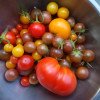
Solanum lycopersicum (L.)
-
Solanum lyratum (Thunb.)
-
Solanum lythrocarpum (A.R.Bean)
-
Solanum macbridei (Hunz. & Lallana)
-
Solanum macoorai (F.M.Bailey)
-
Solanum macracanthum (A.Rich.)
-
Solanum macrocalyx (Dunal)
-
Solanum macrocarpon (L.)
-
Solanum macrothyrsum (Dammer)
-
Solanum macrotonum (Bitter)
-
Solanum madagascariense (Dunal)
-
Solanum maestrense (Urb.)
-
Solanum maglia (Schltdl.)
-
Solanum magnifolium (F.Muell.)
-
Solanum mahoriense (D'Arcy & Rakot.)
-
Solanum malacothrix (S.Knapp)
-
Solanum malignum (A.R.Bean)
-
Solanum malindiense (Voronts.)
-
Solanum malletii (S.Knapp)
-
Solanum malmeanum (Bitter)
-
Solanum mammosum (L.)
-
Solanum manabiense (S.Stern)
-
Solanum mapiricum (S.Knapp)
-
Solanum mapiriense (Bitter)
-
Solanum maranguapense (Bitter)
-
Solanum marantifolium (Bitter)
-
Solanum marginatum (L.f.)
-
Solanum mariae (Särkinen & S.Knapp)
-
Solanum marmoratum (Barboza & S.Knapp)
-
Solanum martii (Sendtn.)
-
Solanum matadori (Smith & Downs)
-
Solanum maternum (Bohs)
-
Solanum maturecalvans (Bitter)
-
Solanum mauense (Bitter)
-
Solanum mauritianum (Scop.)
-
Solanum medians (Bitter)
-
Solanum medicagineum (A.R.Bean)
-
Solanum medusae (Gouvêa)
-
Solanum megalonyx (Sendtn.)
-
Solanum megaspermum (Agra)
-
Solanum melanospermum (F.Muell.)
-
Solanum melastomoides (C.H.Wright)
-
Solanum melissarum (Bohs)
-
Solanum mellobarretoi (Agra & Stehmann)
-
Solanum melongena (L.)
-
Solanum memaoyanum (D.H.R.McClell.)
-
Solanum memphiticum (J.F.Gmel.)
-
Solanum mentiens (A.R.Bean)
-
Solanum meridense (Bitter & Pittier)
-
Solanum mesopliarthrum (Rojas & Steyerm.)
-
Solanum metrobotryon (Dunal)
-
Solanum michaelis (Särkinen & S.Knapp)
-
Solanum microdontum (Bitter)
-
Solanum microleprodes (Bitter)
-
Solanum microphyllum ((Lam.) Dunal)
-
Solanum milnei (Seem.)
-
Solanum minutifoliolum (Correll)
-
Solanum missimense (Symon)
-
Solanum mitchellianum (Domin)
-
Solanum mite (Ruiz & Pav.)
-
Solanum mitlense (Dunal)
-
Solanum miyakojimense (T.Yamaz. & Takushi)
-
Solanum mochiquense (Ochoa)
-
Solanum moense (Britton & Wilson)
-
Solanum monachophyllum (Dunal)
-
Solanum monadelphum (Van Heurck & Müll.Arg.)
-
Solanum monanthemon (S.Knapp)
-
Solanum monarchostemon (S.Knapp)
-
Solanum montanum (L.)
-
Solanum morellifolium (Bohs)
-
Solanum morelliforme (Bitter & Münch)
-
Solanum morii (S.Knapp)
-
Solanum morrisonii (Domin)
-
Solanum mortonii (Hunz.)
-
Solanum moxosense (M.Nee)
-
Solanum muenscheri (Standl. & Steyerm.)
-
Solanum multifidum (Lam.)
-
Solanum multiflorum (Roth)
-
Solanum multiglochidiatum (Domin)
-
Solanum multiinterruptum (Bitter)
-
Solanum multispinum (N.E.Br.)
-
Solanum multivenosum (Symon)
-
Solanum muricatum (Aiton)
-
Solanum murinum (Sendtn.)
-
Solanum myosotis (Dunal)
-
Solanum myoxotrichum (Baker)
-
Solanum myriacanthum (Dunal)
-
Solanum myrsinoides (D'Arcy & Rakot.)
-
Solanum narcoticosmum (Bitter)
-
Solanum naucinum (S.Knapp)
-
Solanum nava (Webb & Berthel.)
-
Solanum neei (Chiarini & L.A.Mentz)
-
Solanum nelsonii (Dunal)
-
Solanum nematopus (Sendtn.)
-
Solanum nematorhachis (S.Knapp)
-
Solanum nemophilum (F.Muell.)
-
Solanum nemorense (Dunal)
-
Solanum neoanglicum (A.R.Bean)
-
Solanum neocardenasii (Hawkes & Hjert.)
-
Solanum neorickii (D.M.Spooner, G.J.Anderson & R.K.Jansen)
-
Solanum neorossii (Hawkes & Hjert.)
-
Solanum nienkui (Merr. & Chun)
-
Solanum nigrescens (M.Martens & Galeotti)
-
Solanum nigricans (M.Martens & Galeotti)
-
Solanum nigriviolaceum (Bitter)
-
Solanum nigrum (L.)
-
Solanum nitidibaccatum (Bitter)
-
Solanum nitidum (Ruiz & Pav.)
-
Solanum nobile (A.R.Bean)
-
Solanum nolense (Symon)
-
Solanum novomexicanum ((Bartlett) S.Stern)
-
Solanum nubicola (Ochoa)
-
Solanum nudum (Dunal)
-
Solanum nummularium (S.Moore)
-
Solanum nuricum (M.Nee)
-
Solanum nutans (Ruiz & Pav.)
-
Solanum obliquum (Ruiz & Pav.)
-
Solanum oblongifolium (Dunal)
-
Solanum oblongum (Ruiz & Pav.)
-
Solanum obovalifolium (Benítez)
-
Solanum occultum (Bohs)
-
Solanum ochranthum (Dunal)
-
Solanum ochrophyllum (Van Heurck & Müll.Arg.)
-
Solanum octonum (A.R.Bean)
-
Solanum odoriferum (Vell.)
-
Solanum oedipus (Symon)
-
Solanum okadae (Hawkes & Hjert.)
-
Solanum oldfieldii (F.Muell.)
-
Solanum oligacanthum (F.Muell.)
-
Solanum oligandrum (Symon)
-
Solanum olmosense (Ochoa)
-
Solanum olympicum (Hassl.)
-
Solanum ombrophilum (Pittier ex S.Knapp)
-
Solanum oocarpum (Sendtn.)
-
Solanum oomsis (A.R.Bean)
-
Solanum opacum (A.Braun & C.D.Bouché)
-
Solanum oppositifolium (Ruiz & Pav.)
-
Solanum orbiculatum (Dunal)
2 -
Solanum orbignianum (Sendtn.)
-
Solanum orgadophilum (A.R.Bean)
-
Solanum orthacanthum (O.E.Schulz)
-
Solanum ortivum (A.R.Bean)
-
Solanum ossicruentum (Martine & J.Cantley)
-
Solanum osteocarpum (A.R.Bean)
-
Solanum ovalifolium (Dunal)
-
Solanum ovum-fringillae ((Dunal) Bohs)
-
Solanum oxapampense (S.Knapp)
-
Solanum oxycarpum (Schiede)
-
Solanum oxycoccoides (Bitter)
-
Solanum oxyphyllum (C.V.Morton)
-
Solanum pabstii (L.B.Sm. & Downs)
-
Solanum pachimatium (Dunal)
-
Solanum pachyandrum (Bitter)
-
Solanum pachyneuroides (Amshoff)
-
Solanum pachyneurum (O.E.Schulz)
-
Solanum pacificum (Tepe)
-
Solanum palinacanthum (Dunal)
-
Solanum palitans (C.V.Morton)
-
Solanum pallidifolium (A.R.Bean)
-
Solanum pallidum (Rusby)
-
Solanum palmillae (Standl.)
-
Solanum paludosum (Moric.)
-
Solanum palustre (Schltdl.)
-
Solanum pampaninii (Chiov.)
-
Solanum pancheri (Guillaumin)
-
Solanum paniculatum (L.)
-
Solanum papaverifolium (Symon)
-
Solanum paposanum (Phil.)
-
Solanum papuanum (Symon)
-
Solanum paraibanum (Agra)
-
Solanum paralum (Bohs)
-
Solanum paranense (Dusén)
-
Solanum parvifolium (R.Br.)
2 -
Solanum pastillum (S.Knapp)
-
Solanum paucidens (Bitter)
-
Solanum paucispinum (Werderm.)
-
Solanum paucissectum (Ochoa)
-
Solanum pauperum (C.H.Wright)
-
Solanum pectinatum (Dunal)
-
Solanum pedemontanum (M.Nee)
-
Solanum pedersenii (Cabrera)
-
Solanum peekelii (Bitter)
-
Solanum peikuoense (S.S.Ying ex X.Aubriot & S.Knapp)
-
Solanum pelagicum (Bohs)
-
Solanum pendulum (Ruiz & Pav.)
-
Solanum pennellii (Correll)
-
Solanum pentaphyllum (Bitter)
-
Solanum pentlandii (Dunal)
-
Solanum pereirae (Carvalho)
-
Solanum perlongistylum (G.J.Anderson, Martine, Prohens & Nuez)
-
Solanum perplexum (Small)
-
Solanum pertenue (Standl. & C.V.Morton)
-
Solanum peruvianum (L.)
-
Solanum petilum (A.R.Bean)
-
Solanum petraeum (Symon)
-
Solanum petrophilum (F.Muell.)
-
Solanum phaephyllum (Werderm.)
-
Solanum phaseoloides (Pol.)
-
Solanum phlomoides (A.Cunn. ex Benth.)
-
Solanum phoberum (A.R.Bean)
-
Solanum phoxocarpum (Voronts.)
-
Solanum phrixothrix (Gouvêa & S.Knapp)
-
Solanum physalidicalyx (Bitter)
-
Solanum physalifolium (Rusby)
-
Solanum piceum (A.R.Bean)
-
Solanum pilcomayense (Morong)
-
Solanum pillahuatense (Vargas)
-
Solanum piluliferum (Dunal)
-
Solanum pimpinellifolium (L.)
-
Solanum pinetorum ((L.B.Sm. & Downs) Bohs)
-
Solanum pinguiculum (J.D.Tovar)
-
Solanum pinnatisectum (Dunal)
-
Solanum pinnatum (Cav.)
-
Solanum pisinnum (A.R.Bean)
-
Solanum pittosporifolium (Hemsl.)
-
Solanum piurae (Bitter)
-
Solanum placitum (C.V.Morton)
-
Solanum plastisexum (Martine & McDonnell)
-
Solanum platacanthum (Dunal)
-
Solanum platense (Diekm.)
-
Solanum platycypellon (S.Knapp)
-
Solanum plicatile ((S.Moore) Symon)
-
Solanum plowmanii (S.Knapp)
-
Solanum plumense (Fernald)
-
Solanum pluriflorum (A.R.Bean)
-
Solanum pluviale (Standl.)
-
Solanum poinsettiifolium (Rusby)
-
Solanum poka (Dunal)
-
Solanum polhillii (Voronts.)
-
Solanum polyacanthos (Lam.)
-
Solanum polyadenium (Greenm.)
-
Solanum polygamum (Vahl)
-
Solanum polyphyllum (Phil.)
-
Solanum polytrichostylum (Bitter)
-
Solanum polytrichum (Moric.)
-
Solanum praetermissum (Kerr ex Barnett)
-
Solanum premnifolium ((Miers) Bohs)
-
Solanum prinophyllum (Dunal)
-
Solanum procumbens (Lour.)
-
Solanum profusum (C.V.Morton)
-
Solanum prolatum (A.R.Bean)
-
Solanum proteanthum (Bohs)
-
Solanum pruinosum (Dunal)
-
Solanum pseuderanthemoides (Schltr.)
-
Solanum pseudoamericanum (Särkinen, P.Gonzáles & S.Knapp)
-
Solanum pseudoauriculatum (Chodat & Hassl.)
-
Solanum pseudocapsicum (L.)
-
Solanum pseudodaphnopsis (L.A.Mentz & Stehmann)
-
Solanum pseudogracile (Heiser)
-
Solanum pseudolulo (Heiser)
-
Solanum pseudopedunculatum (D.H.R.McClell.)
-
Solanum pseudoquina (A.St.-Hil.)
-
Solanum pseudosaponaceum (Blume)
-
Solanum pseudospinosum (C.H.Wright)
-
Solanum pseudosycophanta (Farruggia)
-
Solanum psilophyllum (Stehmann & Giacomin)
-
Solanum psychotrioides (Dunal)
-
Solanum pubescens (Willd.)
-
Solanum pubigerum (Dunal)
-
Solanum pugiunculiferum (C.T.White)
-
Solanum pulverulentifolium (K.E.Roe)
-
Solanum pumilum (Dunal)
-
Solanum punctulatum (Dunal)
-
Solanum pungetium (R.Br.)
-
Solanum pusillum (A.R.Bean)
-
Solanum putii (Kerr ex Barnett)
-
Solanum pycnanthemum (Mart.)
-
Solanum pycnotrichum (A.R.Bean)
-
Solanum pygmaeum (Cav.)
-
Solanum pyracanthos (Lam.)
-
Solanum pyrifolium (Lam.)
-
Solanum quadriloculatum (F.Muell.)
-
Solanum quaesitum (C.V.Morton)
-
Solanum quebradense (S.Knapp)
-
Solanum quitoense (Lam.)
-
Solanum radicans (L.f.)
-
Solanum ramonense (C.V.Morton & Standl.)
-
Solanum ramulosum (Sendtn.)
-
Solanum raphanifolium (Cárdenas & Hawkes)
-
Solanum raquialatum (Ochoa)
-
Solanum ratale (D.H.R.McClell.)
-
Solanum reclusum (A.R.Bean)
-
Solanum reductum (C.V.Morton)
-
Solanum reflexiflorum (Moric. ex Dunal)
-
Solanum refractifolium (Sendtn.)
-
Solanum refractum (Hook. & Arn.)
-
Solanum reineckii (Briq.)
-
Solanum reitzii (L.B.Sm. & Downs)
-
Solanum remyanum (Phil.)
-
Solanum repandum (G.Forst.)
-
Solanum reptans (Bunbury)
-
Solanum restingae (S.Knapp)
-
Solanum retroflexum (Dunal)
-
Solanum retrorsum (Elmer)
-
Solanum rhaphiotes (A.R.Bean)
-
Solanum rhizomatum (Särkinen & M.Nee)
-
Solanum rhomboideilanceolatum (Ochoa)
-
Solanum rhytidoandrum (Sendtn.)
-
Solanum richardii (Dunal)
-
Solanum rigidum (Lam.)
-
Solanum riojense (Bitter)
-
Solanum riparium (Pers.)
-
Solanum ripense (Dunal)
-
Solanum rivicola (Symon)
-
Solanum rixosum (A.R.Bean)
-
Solanum robinsonii (Bonati)
-
Solanum roblense (Bitter)
-
Solanum robustifrons (Bitter)
-
Solanum robustum (H.L.Wendl.)
-
Solanum rojasianum ((Standl. & Steyerm.) Bohs)
-
Solanum roseum (Bohs)
-
Solanum rostratum (Dunal)
-
Solanum rovirosanum (Donn.Sm.)
-
Solanum rubetorum (Dunal)
-
Solanum rubicaule (S.Stern)
-
Solanum rubiginosum (Vahl)
-
Solanum rudepannum (Dunal)
-
Solanum rufescens (Sendtn.)
-
Solanum rugosum (Dunal)
-
Solanum ruizii (S.Knapp)
-
Solanum runsoriense (C.H.Wright)
-
Solanum rupincola (Sendtn.)
-
Solanum rusbyi (Britton ex Rusby)
-
Solanum ruvu (Voronts.)
-
Solanum sabu (J.D.Tovar)
-
Solanum sagittantherum (Granados-Tochoy & C.I.Orozco)
-
Solanum salamancae (Hunz. & Barboza)
-
Solanum salasianum (Ochoa)
-
Solanum salicifolium (Phil.)
-
Solanum saltiense (S.Moore)
-
Solanum sambiranense (D'Arcy & Rakot.)
-
Solanum sambuciflorum (Sendtn.)
-
Solanum sanchez-vegae (S.Knapp)
-
Solanum sanctae-catharinae (Dunal)
-
Solanum sanctae-marthae (Bitter)
-
Solanum sandwicense (Hook. & Arn.)
-
Solanum sanfurgoi (Phil.)
-
Solanum santosii (S.Knapp)
-
Solanum saponaceum (Dunal)
-
Solanum sarrachoides (Sendtn.)
-
Solanum saruwagedensis (Symon)
-
Solanum saturatum (M.Nee)
-
Solanum savanillense (Bitter)
-
Solanum savannarum (Ribeiro-Silva & Proença)
-
Solanum scabrifolium (Ochoa)
-
Solanum scabrum (Mill.)
-
Solanum scalarium (Martine & T.M.Williams)
-
Solanum schefferi (F.Muell.)
-
Solanum schenckii (Bitter)
-
Solanum schimperianum (Hochst. ex A.Rich.)
-
Solanum schizandrum (Sendtn.)
-
Solanum schlechtendalianum (Walp.)
-
Solanum schliebenii (Werderm.)
-
Solanum schomburghii (Sendtn.)
-
Solanum schuechii (Sendtn.)
-
Solanum schulzianum (Urb.)
-
Solanum schumannianum (Dammer)
-
Solanum schwackeanum (L.B.Sm. & Downs)
-
Solanum sciadostylis ((Sendtn.) Bohs)
-
Solanum scolophyllum (A.R.Bean)
-
Solanum scuticum (M.Nee)
-
Solanum seaforthianum (Andrews)
-
Solanum sejunctum (Brennan, Martine & Symon)
-
Solanum selachophyllum (Bitter)
-
Solanum selleanum (Urb. & Ekman)
-
Solanum sellovianum (Sendtn.)
-
Solanum sellowii (Dunal)
-
Solanum semiarmatum (F.Muell.)
-
Solanum semisucculentum (D.H.R.McClell.)
-
Solanum semotum (M.Nee)
-
Solanum sendtnerianum (Van Heurck & Müll.Arg.)
-
Solanum senticosum (A.R.Bean)
-
Solanum septemlobum (Bunge)
-
Solanum sericeum (Ruiz & Pav.)
-
Solanum serpens (A.R.Bean)
-
Solanum sessilantherum (Gouvêa & Stehmann)
-
Solanum sessile (Ruiz & Pav.)
-
Solanum sessiliflorum (Dunal)
-
Solanum setaceum (Dammer)
-
Solanum setigeroides ((Whalen) S.Stern)
-
Solanum setosissimum (L.A.Mentz & M.Nee)
-
Solanum shirleyanum (Domin)
-
Solanum sibundoyense ((Bohs) Bohs)
-
Solanum sieberi (Van Heurck & Müll.Arg.)
-
Solanum silvestre (A.R.Bean)
-
Solanum simile (F.Muell.)
-
Solanum simplicissimum (Ochoa)
-
Solanum sinuatiexcisum (Bitter)
-
Solanum sinuatirecurvum (Bitter)
-
Solanum siphonobasis (Bitter)
-
Solanum sisymbriifolium (Lam.)
-
Solanum sitiens (I.M.Johnst.)
-
Solanum skutchii (Correll)
-
Solanum smithii (S.Knapp)
-
Solanum sodiroi (Bitter)
-
Solanum sodomeodes (Kuntze)
-
Solanum sogarandinum (Ochoa)
-
Solanum solum (J.F.Macbr.)
-
Solanum somalense (Franch.)
-
Solanum sooretamum (Carvalho)
-
Solanum sotobosquense (Bohs)
-
Solanum sousae (S.Knapp)
-
Solanum spirale (Roxb.)
-
Solanum spissifolium (Sendtn.)
-
Solanum splendens ((Dunal) Bohs)
-
Solanum sporadotrichum (F.Muell.)
-
Solanum stagnale (Moric.)
-
Solanum stellatiglandulosum (Bitter)
-
Solanum stellativelutinum (Bitter)
-
Solanum stelligerum (Sm.)
-
Solanum stenandrum (Sendtn.)
-
Solanum stenophyllidium (Bitter)
-
Solanum stenophyllum (Dunal)
-
Solanum stenopterum (A.R.Bean)
-
Solanum stipitatostellatum (Dammer)
-
Solanum stipulaceum (Willd.)
-
Solanum stipulatum (Vell.)
-
Solanum stipuloideum (Rusby)
-
Solanum stoloniferum (Schltdl.)
-
Solanum storkii (C.V.Morton & Standl.)
-
Solanum stramoniifolium (Jacq.)
-
Solanum stuckertii (Bitter)
-
Solanum stupefactum (Symon)
-
Solanum sturtianum (F.Muell.)
-
Solanum suaveolens (Kunth & C.D.Bouché)
-
Solanum subinerme (Jacq.)
-
Solanum sublentum (Hiern)
-
Solanum subserratum (Dunal)
-
Solanum subsylvestre (L.B.Sm. & Downs)
-
Solanum subtusviolaceum (Bitter)
-
Solanum subumbellatum (Vell.)
-
Solanum subvelutinum (Rydb.)
-
Solanum succosum (A.R.Bean & Albr.)
-
Solanum sulawesi (X.Aubriot & S.Knapp)
-
Solanum sulphureum (A.R.Bean)
-
Solanum sumacaspi (S.Knapp)
-
Solanum superbum (S.Knapp)
-
Solanum supinum (Dunal)
-
Solanum swartzianum (Roem. & Schult.)
-
Solanum sycocarpum (Mart. & Sendtn.)
-
Solanum sycophanta (Dunal)
-
Solanum symmetricum (Rusby)
-
Solanum symonii (H.Eichler)
-
Solanum tabanoense (Correll)
-
Solanum tacanense (Lundell)
-
Solanum taeniotrichum (Correll)
-
Solanum taitense (Vatke)
-
Solanum talarense (Svenson)
-
Solanum tampicense (Dunal)
-
Solanum tanysepalum (S.Knapp)
-
Solanum tarderemotum (Bitter)
-
Solanum tarnii (Hawkes & Hjert.)
-
Solanum tavinuuyuku (J.M.Bryant & Tepe)
-
Solanum tectum (Pers.)
-
Solanum tegore (Aubl.)
-
Solanum tenuiflagellatum (S.Knapp)
-
Solanum tenuipes (Bartlett)
2 -
Solanum tenuisetosum ((Bitter) Bohs)
-
Solanum tenuispinum (Rusby)
-
Solanum tenuissimum (Sendtn.)
-
Solanum tepuiense (S.Knapp)
-
Solanum tergosericeum (Ochoa)
-
Solanum terminale (Forssk.)
-
Solanum ternatum (Ruiz & Pav.)
-
Solanum terraneum (Symon)
-
Solanum tetramerum (Dunal)
-
Solanum tetrandrum (R.Br.)
-
Solanum tetrathecum (F.Muell.)
-
Solanum tettense (Klotzsch)
-
Solanum thelopodium (Sendtn.)
-
Solanum thomasiifolium (Sendtn.)
-
Solanum thomsonii (C.H.Wright)
-
Solanum tiinae (Barboza & S.Knapp)
-
Solanum tobagense ((Sandwith) Bohs)
-
Solanum toldense (Mates. & Barboza)
-
Solanum toliaraea (D'Arcy & Rakot.)
-
Solanum tomentosum (L.)
-
Solanum torreanum (A.E.Gonç.)
-
Solanum torricellense (Bitter)
-
Solanum torvoideum (Merr. & L.M.Perry)
-
Solanum torvum (Sw.)
-
Solanum tovarii (S.Knapp)
-
Solanum trachycarpum (Bitter & Sodiro)
-
Solanum trachycyphum (Bitter)
-
Solanum trachytrichium (Bitter)
-
Solanum tribulosum (Schauer)
-
Solanum trichoneuron (Lillo)
-
Solanum trichopetiolatum (D'Arcy & Rakot.)
-
Solanum trichostylum (Merr. & L.M.Perry)
-
Solanum tricuspidatum (Dunal)
-
Solanum trifidum (Correll)
-
Solanum triflorum (Nutt.)
-
Solanum trifolium (Dunal)
-
Solanum trilobatum (L.)
-
Solanum trinitense (Ochoa)
-
Solanum trinominum (J.R.Benn.)
-
Solanum tripartitum (Dunal)
-
Solanum triplinervium (C.V.Morton)
-
Solanum triquetrum (Cav.)
-
Solanum trisectum (Dunal)
-
Solanum triste (Jacq.)
-
Solanum triunfense (S.Knapp)
-
Solanum trizygum (Bitter)
-
Solanum troyanum (Urb.)
-
Solanum truncatum (Standl. & C.V.Morton)
-
Solanum truncicola (Bitter)
-
Solanum tuberosum (L.)
-
Solanum tudununggae (Symon)
-
Solanum tuerckheimii (Greenm.)
-
Solanum tumulicola (Symon)
-
Solanum tunariense (Kuntze)
-
Solanum turgidum (S.Knapp)
-
Solanum turneroides (Chodat)
-
Solanum tweedieanum (Hook.)
-
Solanum uleanum (Bitter)
-
Solanum ultimum (A.R.Bean)
-
Solanum ultraspinosum (A.R.Bean)
-
Solanum umalilaense (Manoko)
-
Solanum umbellatum (Mill.)
-
Solanum umbelliferum (Eschsch.)
-
Solanum umbratile (J.R.Johnst.)
-
Solanum umtuma (Voronts. & S.Knapp)
-
Solanum uncinellum (Lindl.)
-
Solanum unifoliatum (S.Knapp)
-
Solanum unilobum ((Rusby) Bohs)
-
Solanum unispinum (A.R.Bean)
-
Solanum urens (Dunal)
-
Solanum ursinum (Rusby)
-
Solanum urticans (Dunal)
-
Solanum urubambaense (Agra)
-
Solanum usambarense (Bitter & Dammer)
-
Solanum usaramense (Dammer)
-
Solanum vacciniiflorum (Standl. & L.O.Williams)
-
Solanum vaccinioides (Schltr.)
-
Solanum vagum (B.Heyne ex Nees)
-
Solanum vaillantii (Dunal)
-
Solanum valdiviense (Dunal)
-
Solanum valerianum (C.V.Morton & Standl.)
-
Solanum validinervium (Benítez & S.Knapp)
-
Solanum vansittartense (C.A.Gardner)
-
Solanum vanuatuense (D.H.R.McClell.)
-
Solanum variabile (Mart.)
-
Solanum velardei (Ochoa)
-
Solanum velleum (Thunb.)
-
Solanum vellozianum (Dunal)
-
Solanum velutinum (Dunal)
-
Solanum velutissimum (Rusby)
-
Solanum venosum (Dunal)
-
Solanum venturii (Hawkes & Hjert.)
-
Solanum verecundum (M.Nee)
-
Solanum vernei (Bitter & Wittm.)
-
Solanum verrucosum (Schltdl.)
-
Solanum versicolor (A.R.Bean)
-
Solanum verticillatum (S.Knapp & Stehmann)
-
Solanum vescum (F.Muell.)
-
Solanum vespertilio (Aiton)
-
Solanum vestissimum (Dunal)
-
Solanum viarum (Dunal)
-
Solanum vicinum (A.R.Bean)
-
Solanum villosum (Mill.)
-
Solanum violaceimarmoratum (Bitter)
-
Solanum violaceum (Blume)
-
Solanum virginianum (L.)
-
Solanum viride (Spreng.)
-
Solanum viridifolium (Dunal)
-
Solanum viscosissimum (Sendtn.)
-
Solanum volubile (Sw.)
-
Solanum vulpinum (Rusby)
-
Solanum wackettii (Witasek)
-
Solanum wallacei ((A.Gray) Parish)
-
Solanum warmingii (Hiern)
-
Solanum watneyi (Martine & Frawley)
-
Solanum weddellii (Phil.)
-
Solanum wendlandii (Hook.f.)
-
Solanum whalenii (M.Nee)
-
Solanum wightii (Nees)
-
Solanum wilkinsii (S.Moore)
-
Solanum wittei (Robyns)
-
Solanum wittmackii (Bitter)
-
Solanum woodburyi (Howard)
-
Solanum woodii (Särkinen & S.Knapp)
-
Solanum woodsonii (Correll)
-
Solanum wrightii (Benth.)
-
Solanum xanthophaeum (Bitter)
-
Solanum yanamonense (S.Knapp)
-
Solanum youngii (S.Knapp)
-
Solanum zanzibarense (Vatke)
-
Solanum zoeae (R.L.Barrett)
-
Solanum zuloagae (Cabrera)
-
Solanum zumbense (Bohs)