
Genus Melaleuca in Tribe Melaleuceae
In botanical taxonomy, a genus (plural genera) is a rank used to group closely related species within a family. In the hierarchy, genus sits below family and above species.
Genera are defined by shared morphological, anatomical, and genetic characteristics (for example, features of flowers, fruits, seeds, or leaves) that indicate a close evolutionary relationship among the species they contain.
Each genus can include one or more species. Examples include Rosa (roses) and Solanum (nightshades, including tomato and eggplant).
Do you wish to read more about plant taxonomy? Click here!
Genus Description
Suggest a correction!Melaleuca (family Myrtaceae) is a large genus of about 290 species that are predominantly Australian in distribution, with one or a few taxa extending to New Guinea and neighbouring islands. The type species has long been understood to be Melaleuca leucadendra (L.) L., a broad-leaved paperbark tree of northern Australia and Malesia (Craven & Lepschi, 1999). The genus spans tropical savanna woodlands, coastal heaths, and dry sclerophyll forests, often in fire-prone or seasonally wet habitats.
Diagnostic morphology distinguishes Melaleuca by its characteristic adult leaves that are alternate, coriaceous, parallel-veined, and usually lanceolate to elliptic, and the bark that is persistent and papery. Stipules are minute and deciduous. Inflorescences are terminal or sometimes pseudo-lateral spikes, each flower with numerous free stamens inserted opposite the sepals and united basally into a short claw; the ovary is inferior, unilocular or pseudo-bilocular, with axile placentae. Fruits are woody capsules that dehisce through valves, and the seeds are small, winged or angular (Miller et al., 2010; WFO, 2024).
Diversity and range are highest in southwestern Western Australia, with additional richness in eastern Australia, and smaller centers in northern Australia and Malesia. Endemism is pronounced at both regional and local scales, with many species restricted to particular floristic regions or substrate types (POWO, 2024). Typical habitats include coastal dunes, wetlands and swamps, woodlands and forests on a variety of soils, from sandy to clay, and many species occur in fire-adapted communities (Craven & Lepschi, 1999).
Pollination is predominantly by insects, with bees, flies and wasps reported for several taxa, and birds are occasionally recorded; honeyeaters visit some species, though specialized bird-pollination is rare (Hawkeswood, 1984). Dispersal is largely local, through gravity and water movement of capsules, with seed release following fire or death of stems (Miller et al., 2010). The base chromosome number is x=11 (Rye, 1979).
Taxonomically, Melaleuca is circumscribed in the sense of Craven and colleagues (Craven & Lepschi, 1999; Miller et al., 2010), and most species formerly in Myrtus or treated within Melaleuca are now segregated as Myrtus or moved to Callistemon and Kunzea in modern treatments; Callistemon and Kunzea are often treated as separate genera but sometimes subsumed within Melaleuca by a minority of authors. Recent phylogenetic work and ongoing revisions continue to refine boundaries among these closely related lineages (Barlow & Forrester, 1988; Brown et al., 2001; WFO, 2024).
Human relevance includes significant horticultural use for ornamental foliage, bark, and showy flower spikes, and several taxa are cultivated as street or garden trees; Melaleuca quinquenervia has become an aggressive invasive in Florida and elsewhere, with management implications (Zimmerman et al., 2000). Some species provide timber and mulch products; several taxa are used in amenity plantings for erosion control and salt tolerance. Conservation concerns focus on regional declines in species-rich centers, driven by habitat loss and fragmentation (Craven & Lepschi, 1999), and further quantitative assessments of threat status are needed in many areas (POWO, 2024).
-
Melaleuca × arenicola (S.Moore)
-
Melaleuca × codonocarpa ((Hnatiuk) Craven & R.D.Edwards)
-
Melaleuca × mulleola (Craven & R.D.Edwards)
-
Melaleuca acacioides (F.Muell.)
-
Melaleuca accedens ((Hawkeswood) Craven & R.D.Edwards)
-
Melaleuca acrifolia (Craven & R.D.Edwards)
-
Melaleuca acuminata (F.Muell.)
2 -
Melaleuca acutifolia ((Benth.) Craven & Lepschi)
-
Melaleuca adenostyla (K.J.Cowley)
-
Melaleuca adnata (Turcz.)
-
Melaleuca aestiva ((K.J.Brooks) Craven & R.D.Edwards)
-
Melaleuca aestuosa (G.Forst.)
-
Melaleuca agathosmoides (C.A.Gardner)
-
Melaleuca aglaia (Craven & R.D.Edwards)
-
Melaleuca alilateralis (Craven & R.D.Edwards)
2 -
Melaleuca alsophila (A.Cunn. ex Benth.)
-
Melaleuca alternifolia (Cheel)
-
Melaleuca amydra (Craven)
-
Melaleuca anisandra ((Schauer) Craven & R.D.Edwards)
-
Melaleuca apodocephala (Turcz.)
-
Melaleuca apostiba (K.J.Cowley)
-
Melaleuca aquilonia (Craven & R.D.Edwards)
2 -
Melaleuca araucarioides (Barlow)
-
Melaleuca arcana (S.T.Blake)
-
Melaleuca arcuata ((A.S.George) Craven & R.D.Edwards)
-
Melaleuca argentea (W.Fitzg.)
-
Melaleuca arida ((Hawkeswood) Craven & R.D.Edwards)
-
Melaleuca armillaris (Sm.)
2 -
Melaleuca aspalathoides (Schauer)
-
Melaleuca asterocarpa ((Hnatiuk) Craven & R.D.Edwards)
3 -
Melaleuca atala ((Hnatiuk) Craven & R.D.Edwards)
-
Melaleuca atroviridis (Craven & Lepschi)
-
Melaleuca aurea ((Turcz.) Craven & R.D.Edwards)
-
Melaleuca barlowii (Craven)
-
Melaleuca basicephala (Benth.)
-
Melaleuca beardii (Craven)
-
Melaleuca beaufortioides ((Benth.) Craven & R.D.Edwards)
3 -
Melaleuca biconvexa (Byrnes)
-
Melaleuca bisulcata (F.Muell.)
-
Melaleuca blackwelliana ((Hnatiuk) Craven & R.D.Edwards)
-
Melaleuca blaeriifolia (Turcz.)
-
Melaleuca blepharosperma ((F.Muell.) Craven & R.D.Edwards)
-
Melaleuca boeophylla (Craven)
-
Melaleuca borealis (Craven)
-
Melaleuca brachyandra ((Lindl.) Craven)
-
Melaleuca bracteata (F.Muell.)
-
Melaleuca bracteosa (Turcz.)
-
Melaleuca brevifolia (Turcz.)
-
Melaleuca brevisepala ((J.W.Dawson) Craven & J.W.Dawson)
-
Melaleuca bromelioides (Barlow)
-
Melaleuca brongniartii (Däniker)
-
Melaleuca brophyi (Craven)
-
Melaleuca buseana ((Guillaumin) Craven & J.W.Dawson)
-
Melaleuca caeca (Craven)
-
Melaleuca cajuputi (Powell)
3 -
Melaleuca calcicola ((Barlow ex Craven) Craven & Lepschi)
-
Melaleuca calothamnoides (F.Muell.)
-
Melaleuca calycina (R.Br.)
-
Melaleuca calyptroides (Craven)
-
Melaleuca campanae (Craven)
-
Melaleuca camptoclada (F.C.Quinn)
-
Melaleuca capitata (Cheel)
-
Melaleuca cardiophylla (F.Muell.)
-
Melaleuca caroli-huegelii (Craven & R.D.Edwards)
-
Melaleuca carrii (Craven)
-
Melaleuca cheelii (C.T.White)
-
Melaleuca chisholmii ((Cheel) Craven)
-
Melaleuca chrysantherea ((F.Muell.) Craven & R.D.Edwards)
-
Melaleuca ciliosa (Turcz.)
-
Melaleuca cinerea (Craven & R.D.Edwards)
-
Melaleuca citrina ((Curtis) Dum.Cours.)
-
Melaleuca citrolens (Barlow)
-
Melaleuca clarksonii (Barlow)
-
Melaleuca clavifolia (Craven)
-
Melaleuca cliffortioides (Diels)
-
Melaleuca coccinea (A.S.George)
-
Melaleuca comboynensis ((Cheel) Craven)
-
Melaleuca comosa (A.R.Bean)
-
Melaleuca concinna (Turcz.)
-
Melaleuca concreta (F.Muell.)
-
Melaleuca condylosa (Craven)
-
Melaleuca conothamnoides (C.A.Gardner)
-
Melaleuca cordata (Turcz.)
-
Melaleuca cornucopiae (Byrnes)
-
Melaleuca crispii (Craven & R.D.Edwards)
-
Melaleuca crossota (Craven & R.D.Edwards)
-
Melaleuca croxfordiae (Craven)
-
Melaleuca ctenoides (F.C.Quinn)
-
Melaleuca cucullata (Turcz.)
-
Melaleuca cupularis ((A.S.George) Craven & R.D.Edwards)
-
Melaleuca curtifolia (Craven & R.D.Edwards)
-
Melaleuca cuspidata (Turcz.)
-
Melaleuca cuticularis (Labill.)
-
Melaleuca cyathifolia (Craven & R.D.Edwards)
-
Melaleuca cyrtodonta (Turcz.)
-
Melaleuca dawsonii (Craven)
-
Melaleuca dealbata (S.T.Blake)
-
Melaleuca deanei (F.Muell.)
-
Melaleuca decora (Britten)
-
Melaleuca decussata (R.Br.)
-
Melaleuca delta (Craven)
-
Melaleuca dempta ((Barlow) Craven)
-
Melaleuca dendroidea ((Hnatiuk) Craven & R.D.Edwards)
-
Melaleuca densa (R.Br.)
-
Melaleuca densispicata (Byrnes)
-
Melaleuca depauperata (Turcz.)
-
Melaleuca depressa (Diels)
-
Melaleuca dichroma (Craven & Lepschi)
-
Melaleuca diosmatifolia (Dum.Cours.)
-
Melaleuca diosmifolia (Andrews)
-
Melaleuca dissitiflora (F.Muell.)
-
Melaleuca ebracteata ((F.Muell.) Craven & R.D.Edwards)
2 -
Melaleuca ectadioclada ((Hnatiuk) Craven & R.D.Edwards)
-
Melaleuca eleuterostachya (F.Muell.)
-
Melaleuca elliptica (Labill.)
-
Melaleuca empetrifolia (Rchb.)
-
Melaleuca ericifolia (Sm.)
-
Melaleuca eriocarpa ((Lindl.))
-
Melaleuca eulobata (Craven)
-
Melaleuca eurystoma (Barlow ex Craven)
-
Melaleuca eximia ((K.J.Cowley) Craven)
-
Melaleuca exuvia (Craven & Lepschi)
-
Melaleuca fabri (Craven)
-
Melaleuca faucicola (Craven)
-
Melaleuca ferruginea (Craven & Cowie)
-
Melaleuca filifolia (F.Muell.)
-
Melaleuca fissurata (Barlow)
-
Melaleuca flammea (Craven)
-
Melaleuca flavovirens ((Cheel) Craven)
-
Melaleuca fluviatilis (Barlow)
-
Melaleuca foliolosa (A.Cunn. ex Benth.)
-
Melaleuca formosa ((S.T.Blake) Craven)
-
Melaleuca fulgens (R.Br.)
3 -
Melaleuca gardneri (Craven & R.D.Edwards)
-
Melaleuca genialis (Lepschi)
-
Melaleuca georgei (Craven & R.D.Edwards)
-
Melaleuca gibbosa (Labill.)
-
Melaleuca gilesii ((F.Muell.) Craven & R.D.Edwards)
-
Melaleuca glaberrima (F.Muell.)
-
Melaleuca glabra ((Benth.) Craven & R.D.Edwards)
-
Melaleuca glauca (Domin)
-
Melaleuca glena (Craven)
-
Melaleuca globifera (R.Br.)
-
Melaleuca glomerata (F.Muell.)
-
Melaleuca glumacea (Craven & R.D.Edwards)
-
Melaleuca gnidioides (Brongn. & Gris)
-
Melaleuca gracilis ((R.Br.) Craven & R.D.Edwards)
-
Melaleuca grandis (Fisch. ex Schmidlin)
-
Melaleuca granitica ((Hawkeswood) Craven & R.D.Edwards)
2 -
Melaleuca grieveana (Craven)
-
Melaleuca groveana (Cheel & C.T.White)
-
Melaleuca hadra ((Hnatiuk) Craven & R.D.Edwards)
-
Melaleuca hakeifolia ((Gaudich.) Craven & R.D.Edwards)
2 -
Melaleuca halmaturorum (F.Muell. ex Miq.)
2 -
Melaleuca halophila (Craven)
-
Melaleuca hamata (Fielding & Gardner)
-
Melaleuca hamulosa (Turcz.)
-
Melaleuca haplantha (Barlow)
-
Melaleuca hawkeswoodii (Craven & R.D.Edwards)
-
Melaleuca hemisticta (S.T.Blake ex Craven)
-
Melaleuca hirsuta ((Hawkeswood) Craven & R.D.Edwards)
-
Melaleuca hislopii (Craven & R.D.Edwards)
-
Melaleuca hispida (J.C.Wendl. ex DC.)
-
Melaleuca hnatiukii (Craven)
-
Melaleuca hollidayi (Craven)
-
Melaleuca holosericea (Schauer)
-
Melaleuca howeana (Cheel)
-
Melaleuca huegelii (Endl.)
2 -
Melaleuca huttensis (Craven)
-
Melaleuca hypericifolia (Sm.)
-
Melaleuca idana (Craven)
-
Melaleuca imbricata (Link)
-
Melaleuca incana (R.Br.)
2 -
Melaleuca inops ((Schauer) Craven & R.D.Edwards)
-
Melaleuca interioris (Craven & Lepschi)
-
Melaleuca interstans ((F.Muell.) Craven & R.D.Edwards)
-
Melaleuca irbyana (F.Muell. ex R.T.Baker)
-
Melaleuca johnsonii (Craven)
-
Melaleuca jonesii (Craven & R.D.Edwards)
-
Melaleuca kalbarriensis ((Hawkeswood))
-
Melaleuca keigheryi (Craven)
-
Melaleuca kunzeoides (Byrnes)
-
Melaleuca kybeliona (Craven & R.D.Edwards)
2 -
Melaleuca lachnocephala (Craven & R.D.Edwards)
-
Melaleuca laetifica (Craven)
-
Melaleuca lanceolata (Otto)
4 -
Melaleuca lara (Craven)
-
Melaleuca lasiandra (F.Muell.)
-
Melaleuca lateralis (Turcz.)
-
Melaleuca lateriflora (Benth.)
-
Melaleuca lateritia (Otto & A.Dietr.)
-
Melaleuca laxiflora (Turcz.)
-
Melaleuca lazaridis (Craven)
-
Melaleuca lecanantha (Barlow)
-
Melaleuca leiocarpa (F.Muell.)
-
Melaleuca leiopyxis (F.Muell. ex Benth.)
-
Melaleuca lepschii (Craven & R.D.Edwards)
-
Melaleuca leptospermoides (Schauer)
-
Melaleuca leucadendra ((L.) L.)
-
Melaleuca leuropoma (Craven)
-
Melaleuca linariifolia (Sm.)
-
Melaleuca linearifolia ((Link) Craven)
-
Melaleuca linearis (J.C.Wendl. & Schrad.)
2 -
Melaleuca linguiformis (Craven)
-
Melaleuca linophylla (F.Muell.)
-
Melaleuca longissima ((F.Muell.) Craven & R.D.Edwards)
-
Melaleuca longistaminea ((F.Muell.) Barlow ex Craven)
-
Melaleuca lophantha ((Vent.))
-
Melaleuca lophocoracorum (A.J.Ford, Craven & Brophy)
-
Melaleuca lutea (Craven)
-
Melaleuca macrocarpa ((Hawkeswood) Craven & R.D.Edwards)
-
Melaleuca macronychia (Turcz.)
2 -
Melaleuca macrostemon ((Lindl.) Craven & R.D.Edwards)
-
Melaleuca manglesii (Schauer)
-
Melaleuca marginata ((Sond.) Hislop, Lepschi & Craven)
-
Melaleuca maxwellii ((F.Muell.) Craven & R.D.Edwards)
-
Melaleuca megacephala (F.Muell.)
-
Melaleuca megalongensis (Craven & S.M.Douglas)
-
Melaleuca micrantha ((Schauer) Craven & R.D.Edwards)
2 -
Melaleuca microcarpa ((F.Muell.) Craven & R.D.Edwards)
-
Melaleuca micromera (Schauer)
-
Melaleuca microphylla (Sm.)
-
Melaleuca minutifolia (F.Muell.)
-
Melaleuca monantha ((Barlow) Craven)
-
Melaleuca montana ((S.T.Blake) Craven)
-
Melaleuca montis-zamia (Craven)
-
Melaleuca nanophylla (Carrick)
-
Melaleuca nematophylla (F.Muell. ex Craven)
-
Melaleuca nervosa ((Lindl.) Cheel)
2 -
Melaleuca nesophila (F.Muell.)
-
Melaleuca nodosa (Sm.)
-
Melaleuca oblivia (A.R.Bean)
-
Melaleuca ochroma (Lepschi)
-
Melaleuca oldfieldii (F.Muell.)
-
Melaleuca orbicularis (Craven)
-
Melaleuca orbifolia ((F.Muell.) Craven & R.D.Edwards)
-
Melaleuca ordinifolia (Barlow)
-
Melaleuca orophila (Craven)
-
Melaleuca ostrina (Craven & R.D.Edwards)
-
Melaleuca osullivanii (Craven & Lepschi)
-
Melaleuca oxyphylla (Carrick)
-
Melaleuca pachyphylla ((Cheel) Craven)
-
Melaleuca pachystachya ((Benth.) Craven & R.D.Edwards)
-
Melaleuca pallescens (Byrnes)
-
Melaleuca pallida ((Bonpl.) Craven)
-
Melaleuca paludicola (Craven)
-
Melaleuca pancheri ((Brongn. & Gris) Craven & J.W.Dawson)
-
Melaleuca papillosa (Turcz. ex Craven)
-
Melaleuca parviceps (Lindl.)
-
Melaleuca parvistaminea (Byrnes)
-
Melaleuca pauciflora (Turcz.)
-
Melaleuca pauperiflora (F.Muell.)
3 -
Melaleuca pearsonii ((R.D.Spencer & Lumley) Craven)
-
Melaleuca pendulina (G.Don)
-
Melaleuca penicula ((K.J.Cowley) Craven)
-
Melaleuca pentagona (Labill.)
3 -
Melaleuca peucophylla (Craven & R.D.Edwards)
-
Melaleuca phellosa ((A.S.George) Craven & R.D.Edwards)
-
Melaleuca phoenicea ((Lindl.) Craven)
-
Melaleuca phoidophylla (Barlow ex Craven)
-
Melaleuca phratra (Craven)
-
Melaleuca pilosa ((Lindl.))
3 -
Melaleuca pityoides ((F.Muell.) Craven)
-
Melaleuca planifolia ((Lehm.) Craven & R.D.Edwards)
2 -
Melaleuca platycalyx (Diels)
-
Melaleuca plumea (Craven)
-
Melaleuca plumosa ((Turcz.))
-
Melaleuca podiocarpa (Barlow ex Craven)
-
Melaleuca polandii ((F.M.Bailey) Craven)
-
Melaleuca polycephala (Benth.)
-
Melaleuca pomphostoma (Barlow)
-
Melaleuca porphyrocephala ((F.Muell.) Craven & R.D.Edwards)
-
Melaleuca preissiana (Schauer)
-
Melaleuca preissii ((Schauer) Craven & R.D.Edwards)
-
Melaleuca pritzelii ((Domin) Barlow)
-
Melaleuca procera (Craven)
-
Melaleuca propinqua (Schauer)
-
Melaleuca protrusa (Craven & Lepschi)
-
Melaleuca protumida (Craven & R.D.Edwards)
-
Melaleuca psammophila (Diels)
-
Melaleuca pulchella (R.Br.)
-
Melaleuca pulcherrima (Craven & R.D.Edwards)
-
Melaleuca pungens (Schauer)
-
Melaleuca punicea (Byrnes)
-
Melaleuca purpurea ((Lindl.) Craven & R.D.Edwards)
-
Melaleuca pustulata (Hook.f.)
-
Melaleuca pyramidalis (Craven)
-
Melaleuca quadrifaria (F.Muell.)
-
Melaleuca quadrifida ((R.Br.) Craven & R.D.Edwards)
8 -
Melaleuca quercina (Craven)
-
Melaleuca quinquenervia ((Cav.) S.T.Blake)
-
Melaleuca radula (Lindl.)
-
Melaleuca recurva ((R.D.Spencer & Lumley) Craven)
-
Melaleuca relativa (Craven & R.D.Edwards)
-
Melaleuca rhaphiophylla (Schauer)
-
Melaleuca rigidifolia (Turcz.)
-
Melaleuca ringens (Barlow)
-
Melaleuca robusta ((Schauer) Craven & R.D.Edwards)
-
Melaleuca rosea ((A.S.George) Craven & R.D.Edwards)
-
Melaleuca rugulosa ((Schltdl. ex Link) Craven)
-
Melaleuca rupestris ((Schauer) Craven & R.D.Edwards)
-
Melaleuca ryeae (Craven)
-
Melaleuca sabrina (Craven)
-
Melaleuca saligna (Schauer)
-
Melaleuca sapientes (Craven)
-
Melaleuca scabra (R.Br.)
-
Melaleuca scabrida ((A.S.George) Craven & R.D.Edwards)
-
Melaleuca scalena (Craven & Lepschi)
-
Melaleuca schaueri ((Lehm.) Craven & R.D.Edwards)
-
Melaleuca sciotostyla (Barlow)
-
Melaleuca scitula (Craven & R.D.Edwards)
-
Melaleuca sclerophylla (Diels)
-
Melaleuca sculponeata (Barlow)
-
Melaleuca seriata (Lindl.)
-
Melaleuca sericea (Byrnes)
-
Melaleuca serpentina (Craven)
-
Melaleuca sheathiana (Fitzg.)
-
Melaleuca shiressii ((Blakely) Craven)
-
Melaleuca sieberi (Schauer)
-
Melaleuca similis (Craven)
-
Melaleuca societatis (Craven)
-
Melaleuca sophisma (Lepschi)
-
Melaleuca sparsa ((R.Br.) Craven & R.D.Edwards)
-
Melaleuca sparsiflora (Turcz.)
-
Melaleuca spathulata (Schauer)
-
Melaleuca spectabilis ((Barlow ex Craven) Craven & Lepschi)
-
Melaleuca sphaerodendra (Craven & J.W.Dawson)
2 -
Melaleuca spicigera (S.Moore)
-
Melaleuca sprengelioides (DC.)
-
Melaleuca squamea (Labill.)
-
Melaleuca squamophloia ((Byrnes) Craven)
-
Melaleuca squarrosa (Sm.)
-
Melaleuca stenostachya (S.T.Blake)
2 -
Melaleuca stereophloia (Craven)
-
Melaleuca stipitata (Craven)
-
Melaleuca stramentosa (Craven)
-
Melaleuca striata (Labill.)
-
Melaleuca strobophylla (Barlow)
-
Melaleuca styphelioides (Sm.)
-
Melaleuca subalaris (Barlow)
-
Melaleuca suberosa ((Schauer) C.A.Gardner)
-
Melaleuca subfalcata (Turcz.)
-
Melaleuca subtrigona (Schauer)
-
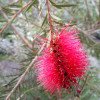
Melaleuca subulata ((Cheel) Craven)
-
Melaleuca sulcata ((A.S.George) Craven & R.D.Edwards)
-
Melaleuca superba ((Hawkeswood & Mollemans) Craven & R.D.Edwards)
-
Melaleuca sylvana (Craven & A.J.Ford)
-
Melaleuca systena (Craven)
-
Melaleuca tamariscina (Hook.)
-
Melaleuca teretifolia (Endl.)
-
Melaleuca teuthidoides (Barlow)
-
Melaleuca thapsina (Craven)
-
Melaleuca thymifolia (Sm.)
-
Melaleuca thymoides (Labill.)
-
Melaleuca thyoides (Turcz.)
-
Melaleuca thysanota (Craven & R.D.Edwards)
-
Melaleuca tinkeri (Craven)
-
Melaleuca torquata (Barlow)
-
Melaleuca tortifolia (Byrnes)
-
Melaleuca torulosa ((Schauer) Craven & R.D.Edwards)
-
Melaleuca transversa (Craven & R.D.Edwards)
-
Melaleuca trichophylla (Lindl.)
-
Melaleuca trichostachya (Lindl.)
-
Melaleuca trinervia (Dum.Cours.)
-
Melaleuca triumphalis (Craven)
-
Melaleuca tuberculata (Schauer)
3 -
Melaleuca tuberosa ((Hawkeswood) Craven & R.D.Edwards)
-
Melaleuca ulicoides (Craven & Lepschi)
-
Melaleuca uncinata (R.Br.)
-
Melaleuca undulata (Benth.)
-
Melaleuca uniflora (Spreng.)
-
Melaleuca urceolaris (F.Muell. ex Benth.)
-
Melaleuca uxorum (Craven, G.Holmes & Sankowsky)
-
Melaleuca valida ((S.Moore) Craven & R.D.Edwards)
-
Melaleuca variegata (Craven & R.D.Edwards)
-
Melaleuca velutina ((Turcz.) Craven & R.D.Edwards)
-
Melaleuca venusta (Craven)
-
Melaleuca villosisepala (Craven)
-
Melaleuca viminalis ((Sol. ex Gaertner) Byrnes)
2 -
Melaleuca viminea (Lindl.)
3 -
Melaleuca vinnula (Craven & Lepschi)
-
Melaleuca violacea (Schauer)
-
Melaleuca virens (Craven)
-
Melaleuca viridiflora (Sol. ex Gaertn.)
-
Melaleuca williamsii (Craven)
3 -
Melaleuca wilsonii (F.Muell.)
-
Melaleuca wimmerensis ((Marriott & G.W.Carr) Craven)
-
Melaleuca wonganensis (Craven)
-
Melaleuca xerophila (Barlow)
-
Melaleuca zeteticorum (Craven & Lepschi)
-
Melaleuca zonalis (Craven)