
Genus Lupinus in Subfamily Papilionoideae
In botanical taxonomy, a genus (plural genera) is a rank used to group closely related species within a family. In the hierarchy, genus sits below family and above species.
Genera are defined by shared morphological, anatomical, and genetic characteristics (for example, features of flowers, fruits, seeds, or leaves) that indicate a close evolutionary relationship among the species they contain.
Each genus can include one or more species. Examples include Rosa (roses) and Solanum (nightshades, including tomato and eggplant).
Do you wish to read more about plant taxonomy? Click here!
Genus Description
Suggest a correction!Lupinus L. belongs to the legume family Fabaceae, subfamily Papilionoideae, tribe Genisteae. The genus comprises approximately 200 accepted species (POWO, 2024; WFO, 2024) and ranges widely across the Mediterranean Basin, western North America, and the Andes of South America, occupying open grasslands, alpine meadows, dune slopes, and disturbed sites from sea level to over 4 000 m elevation. The type species, designated by Linnaeus, is Lupinus albus L. (International Plant Names Index, 2024).
Lupinus is distinguished by a herbaceous to shrubby habit, palmately compound leaves with 5–15 leaflets, usually persistent stipules, and a dense indumentum of silky hairs on young growth. Flowers are arranged in terminal racemes and exhibit the characteristic papilionaceous architecture (standard, wings, and keel). The ovary is superior, usually composed of a single carpel bearing one to several ovules; fruit development results in a dehiscent legume pod containing compressed seeds with a hard testa. The combination of palmate leaf morphology and papilionaceous flowers reliably separates Lupinus from most other Genisteae genera.
Species richness is highest in two biogeographic centers: the Mediterranean Basin (≈ 60 species) and the western United States and adjacent Canada (≈ 80 species). Additional diversity occurs in the Andes, where several narrowly endemic taxa occupy high‑altitude grasslands. These plants are often pioneer colonizers of nitrogen‑poor soils, forming symbiotic nodules with Bradyrhizobium (Ott et al., 2021) and contributing to early‑successional nitrogen enrichment.
Pollination is overwhelmingly melittophilous, with a suite of native bees serving as primary vectors (Kevan et al., 2019). In Andean regions, occasional hummingbird visitation has been recorded (García‑Arias et al., 2020). Seed dispersal is primarily ballistic: mature pods burst explosively, scattering seeds short distances; some species also exhibit secondary dispersal by ants (Ridley, 1930). The base chromosome number is x = 8, a value consistently reported across cytogenetic surveys (Dixon, 1969; Skog et al., 2012), with polyploid series ranging from diploid (2n = 16) to octoploid (2n = 64) taxa.
Molecular phylogenies confirm the monophyly of Lupinus within Genisteae (Eastwood et al., 2018; Hughes et al., 2022). Recent work resolves three major clades, traditionally treated as subgenera Lupinus, Platycarpos, and Lupinaster, and shows that the former section Cavaleria is nested within the Lupinus subgenus (WFO, 2024). Alternative taxonomic treatments retain section‑level divisions (POWO, 2024), reflecting ongoing debate over rank and synonymy. The genus remains sister to the Genista–Ulex lineage, a relationship supported by chloroplast and nuclear data (Ainouche & Bayer, 1999).
Human relevance extends from horticulture—Lupinus polyphyllus and related species are popular ornamental perennials—to agronomy, where L. albus, L. angustifolius, and L. luteus are cultivated for high‑protein grain (FAO, 2021). Some species, notably L. arboreus, have become naturalised and locally invasive in parts of New Zealand (Biosecurity New Zealand, 2022).
Conservation concerns centre on Mediterranean and Andean taxa threatened by habitat loss, over‑collection, and climate‑driven shifts in alpine ecosystems (IUCN, 2023). Continued phylogenetic clarification, especially of Andean lineages, and investigation of seed‑dispersal mechanisms remain critical research priorities for informed management.
-
Lupinus × hispanicoluteus (W.Święcicki & W.K.Święcicki)
-
Lupinus × hybridus (Lem.)
-
Lupinus × regalis ((hort.) Bergmans)
-
Lupinus aberrans (C.P.Sm.)
-
Lupinus acopalcus (C.P.Sm.)
-
Lupinus adinoanthus (C.P.Sm.)
-
Lupinus adsurgens (Drew)
-
Lupinus affinis (J.Agardh)
-
Lupinus alaimandus (C.P.Sm.)
-
Lupinus alaristatus (C.P.Sm.)
-
Lupinus albert-smithianus (C.P.Sm.)
-
Lupinus albescens (Hook. & Arn.)
-
Lupinus albicaulis (Douglas)
-
Lupinus albifrons (Benth.)
8 -
Lupinus albosericeus (C.P.Sm.)
-
Lupinus albus (L.)
2 -
Lupinus aliamandus (C.P.Sm.)
-
Lupinus aliattenuatus (C.P.Sm.)
-
Lupinus alibicolor (C.P.Sm.)
-
Lupinus alimanens (C.P.Sm.)
-
Lupinus alinanus (C.P.Sm.)
-
Lupinus alipatulus (C.P.Sm.)
-
Lupinus alirevolutus (C.P.Sm.)
-
Lupinus allargyreius (C.P.Sm.)
-
Lupinus alopecuroides (Desr.)
-
Lupinus altimontanus (C.P.Sm.)
-
Lupinus altiplani (C.P.Sm.)
-
Lupinus alveorum (C.P.Sm.)
-
Lupinus amabayensis (C.P.Sm.)
-
Lupinus amandus (C.P.Sm.)
-
Lupinus amboensis (C.P.Sm.)
-
Lupinus ammophilus (Greene)
2 -
Lupinus amnis-otuni (C.P.Sm.)
-
Lupinus ampaiensis (C.P.Sm.)
-
Lupinus amphibius (Suksd.)
-
Lupinus ananeanus (Ulbr.)
-
Lupinus anatolicus (W.Swiecicki & W.K.Swiecicki)
-
Lupinus andersonii (S.Watson)
-
Lupinus andicola (Gillies ex Hook. & Arn.)
5 -
Lupinus andinus (Rose ex J.F.Macbr.)
-
Lupinus angustiflorus (Eastw.)
-
Lupinus angustifolius (L.)
-
Lupinus antensis (C.P.Sm.)
-
Lupinus antoninus (Eastw.)
-
Lupinus apertus (A.Heller)
-
Lupinus appositus (C.P.Sm.)
-
Lupinus aralloius (C.P.Sm.)
-
Lupinus arboreus (Sims)
-
Lupinus arbustus (Douglas)
-
Lupinus arbutosocius (C.P.Sm.)
-
Lupinus archeranus (C.P.Sm.)
-
Lupinus arcticus (S.Watson)
2 -
Lupinus arenarius (Gardner)
-
Lupinus arequipensis (C.P.Sm.)
-
Lupinus argenteus (Pursh)
9 -
Lupinus argurocalyx (C.P.Sm.)
-
Lupinus aridorum (McFarlin ex Beckner)
-
Lupinus aridulus (C.P.Sm.)
-
Lupinus aridus (Douglas)
4 -
Lupinus ariste-josephi (C.P.Sm.)
-
Lupinus arizelus (C.P.Sm.)
-
Lupinus arizonicus ((S.Watson) S.Watson)
4 -
Lupinus arvensis (Benth.)
-
Lupinus asa-grayanus (C.P.Sm.)
-
Lupinus aschenbornii (S.Schauer)
-
Lupinus asplundianus (C.P.Sm.)
-
Lupinus asymbepus (C.P.Sm.)
-
Lupinus atacamicus (C.P.Sm.)
-
Lupinus atlanticus (Gladst.)
-
Lupinus atropurpureus (C.P.Sm.)
-
Lupinus aureonitens (Gillies ex Hook. & Arn.)
-
Lupinus aureus (J.Agardh)
-
Lupinus austrobicolor (C.P.Sm.)
-
Lupinus austrohumifusus (C.P.Sm.)
-
Lupinus austrorientalis (C.P.Sm.)
3 -
Lupinus austrosericeus (C.P.Sm.)
-
Lupinus ballianus (C.P.Sm.)
-
Lupinus bandelierae (C.P.Sm.)
-
Lupinus bangii (Rusby)
-
Lupinus barbatilabius (C.P.Sm.)
-
Lupinus barbiger (S.Watson)
-
Lupinus barkeri (Lindl.)
-
Lupinus bartlettianus (C.P.Sm.)
-
Lupinus bartolomei (M.E.Jones)
-
Lupinus benthamii (A.Heller)
-
Lupinus bi-inclinatus (C.P.Sm.)
-
Lupinus bicolor (Lindl.)
-
Lupinus bingenensis (Suksd.)
3 -
Lupinus bogotensis (Benth.)
-
Lupinus bolivianus (Rusby ex C.P.Sm.)
-
Lupinus bombycinocarpus (C.P.Sm.)
-
Lupinus bonplandius (C.P.Sm.)
-
Lupinus boyacensis (C.P.Sm.)
-
Lupinus brachypremnon (C.P.Sm.)
-
Lupinus bracteolaris (Desr.)
3 -
Lupinus brevecuneus (C.P.Sm.)
-
Lupinus brevicaulis (S.Watson)
-
Lupinus breviscapus (Ulbr.)
-
Lupinus breweri (A.Gray)
4 -
Lupinus bryoides (C.P.Sm.)
-
Lupinus buchtienii (Rusby)
-
Lupinus burkartianus (C.P.Sm.)
-
Lupinus burkei (S.Watson)
2 -
Lupinus burkeri (Lindl.)
-
Lupinus caballoanus (B.L.Turner)
-
Lupinus cachupatensis (C.P.Sm.)
-
Lupinus cacuminis (Standl.)
-
Lupinus caespitosus (Nutt. ex Torr. & A.Gray)
-
Lupinus calcensis (C.P.Sm.)
-
Lupinus caldasensis (C.P.Sm.)
-
Lupinus camiloanus (C.P.Sm.)
-
Lupinus campestris (Schltdl. & Cham.)
-
Lupinus canus (Hemsl.)
-
Lupinus carazensis (Ulbr.)
-
Lupinus carchiensis (C.P.Sm.)
-
Lupinus cardenasianus (C.P.Sm.)
-
Lupinus carhuamayus (C.P.Sm.)
-
Lupinus carlos-ochoae (C.P.Sm.)
-
Lupinus carpapaticus (C.P.Sm.)
-
Lupinus carrikeri (C.P.Sm.)
-
Lupinus caucensis (C.P.Sm.)
-
Lupinus caudatus (Kellogg)
5 -
Lupinus cavicaulis (C.P.Sm.)
-
Lupinus ccorilazensis (Vargas ex C.P.Sm.)
-
Lupinus celsimontanus (C.P.Sm.)
-
Lupinus cervinus (Kellogg)
-
Lupinus cesar-vargasii (C.P.Sm.)
-
Lupinus cesaranus (C.P.Sm.)
-
Lupinus chachas (Ochoa ex C.P.Sm.)
-
Lupinus chamissonis (Eschsch.)
-
Lupinus chavanillensis ((J.F.Macbr.) C.P.Sm.)
-
Lupinus chiapensis (Rose)
-
Lupinus chihuahuensis (S.Watson)
-
Lupinus chipaquensis (C.P.Sm.)
-
Lupinus chlorolepis (C.P.Sm.)
-
Lupinus chocontensis (C.P.Sm.)
-
Lupinus chongos-bajous (C.P.Sm.)
-
Lupinus chrysanthus (Ulbr.)
-
Lupinus chrysocalyx (C.P.Sm.)
-
Lupinus chumbivilcensis (C.P.Sm.)
-
Lupinus citrinus (Kellogg)
2 -
Lupinus clarkei (Oerst.)
-
Lupinus clarkii (Oerst.)
-
Lupinus cochapatensis (C.P.Sm.)
-
Lupinus colcabambensis (C.P.Sm.)
-
Lupinus colombiensis (C.P.Sm.)
-
Lupinus compactiflorus (Rose)
-
Lupinus comptus (Mart. ex Benth.)
-
Lupinus concinnus (J.Agardh)
-
Lupinus condensiflorus (C.P.Sm.)
-
Lupinus confertus (Kellogg)
-
Lupinus conicus (C.P.Sm.)
-
Lupinus constancei (T.W.Nelson & J.P.Nelson)
-
Lupinus convencionensis (C.P.Sm.)
-
Lupinus cookianus (C.P.Sm.)
-
Lupinus coriaceus (Benth.)
-
Lupinus cosentinii (Guss.)
-
Lupinus costaricensis (D.B.Dunn)
-
Lupinus cotopaxiensis (C.P.Sm.)
-
Lupinus couthouyanus (C.P.Sm.)
-
Lupinus covillei (Greene)
-
Lupinus croceus (Eastw.)
2 -
Lupinus crotalarioides (Mart. ex Benth.)
-
Lupinus crucis-viridis (C.P.Sm.)
-
Lupinus cuatrecasasii (C.P.Sm.)
-
Lupinus culbertsonii (Greene)
2 -
Lupinus cumulicola (Small)
-
Lupinus cusickii (S.Watson)
2 -
Lupinus cuspidatus (Rusby)
-
Lupinus cuzcensis (C.P.Sm.)
-
Lupinus cymba-egressus (C.P.Sm.)
-
Lupinus cymboides (C.P.Sm.)
-
Lupinus dalesae (Eastw.)
-
Lupinus decaschistus (C.P.Sm.)
-
Lupinus decemplex (C.P.Sm.)
-
Lupinus decurrens (Gardner)
-
Lupinus delicatulus (Sprague & L.Riley)
-
Lupinus depressus (Rydb.)
-
Lupinus diasemus (C.P.Sm.)
-
Lupinus diehlii (M.E.Jones)
-
Lupinus diffusus (Nutt.)
-
Lupinus digitatus (Forssk.)
-
Lupinus disjunctus (C.P.Sm.)
-
Lupinus dissimulans (C.P.Sm.)
-
Lupinus dorae (C.P.Sm.)
2 -
Lupinus dotatus (C.P.Sm.)
-
Lupinus durangensis (C.P.Sm.)
-
Lupinus duranii (Eastw.)
-
Lupinus dusenianus (C.P.Sm.)
-
Lupinus eanophyllus (C.P.Sm.)
-
Lupinus edysomatus (C.P.Sm.)
-
Lupinus egens (C.P.Sm.)
-
Lupinus ehrenbergii (Schltdl.)
3 -
Lupinus elaphoglossum (Barneby)
-
Lupinus elatus (I.M.Johnst.)
-
Lupinus elegans (Kunth)
2 -
Lupinus ellsworthianus (C.P.Sm.)
-
Lupinus elmeri (Greene)
-
Lupinus eramosus (C.P.Sm.)
-
Lupinus erectifolius (C.P.Sm.)
-
Lupinus eremonomus (C.P.Sm.)
-
Lupinus eriocalyx (C.P.Sm.)
-
Lupinus eriocladus (Ulbr.)
-
Lupinus ermineus (S.Watson)
-
Lupinus espinarensis (C.P.Sm.)
-
Lupinus evermannii (Rydb.)
-
Lupinus exaltatus (Zucc.)
-
Lupinus excubitus (M.E.Jones)
-
Lupinus exochus (C.P.Sm.)
-
Lupinus expetendus (C.P.Sm.)
-
Lupinus extrarius (C.P.Sm.)
-
Lupinus falsomutabilis (C.P.Sm.)
-
Lupinus falsoprostratus (C.P.Sm.)
-
Lupinus falsorevolutus (C.P.Sm.)
-
Lupinus famelicus (C.P.Sm.)
-
Lupinus fiebrigianus (Ulbr.)
-
Lupinus fieldii (J.F.Macbr.)
-
Lupinus filicaulis (C.P.Sm.)
-
Lupinus flavoculatus (A.Heller)
-
Lupinus floridanus (E.L.Bridges & Orzell)
-
Lupinus foliolosus (Benth.)
-
Lupinus formosus (Greene)
2 -
Lupinus francis-whittieri (C.P.Sm.)
-
Lupinus fratrum (C.P.Sm.)
-
Lupinus fulcratus (Greene)
-
Lupinus gachetensis (C.P.Sm.)
-
Lupinus garfieldensis (C.P.Sm.)
-
Lupinus gaudichaudianus (C.P.Sm.)
-
Lupinus gayanus (C.P.Sm.)
-
Lupinus gentryanus (C.P.Sm.)
-
Lupinus gibertianus (C.P.Sm.)
3 -
Lupinus giganteus (Rose)
-
Lupinus glabratus (J.Agardh)
-
Lupinus goodspeedii (J.F.Macbr.)
-
Lupinus gracilentus (Greene)
-
Lupinus grauensis (C.P.Sm.)
-
Lupinus grayi (S.Watson)
-
Lupinus gredensis (Gand.)
-
Lupinus guadalupensis (Greene)
-
Lupinus guaraniticus ((Hassl.) C.P.Sm.)
-
Lupinus guascensis (C.P.Sm.)
-
Lupinus guggenheimianus (Rusby)
-
Lupinus gussoneanus (J.Agardh)
-
Lupinus hamaticalyx (C.P.Sm.)
-
Lupinus hartmannii (C.P.Sm.)
-
Lupinus haughtianus (C.P.Sm.)
-
Lupinus hautcarazensis (C.P.Sm.)
-
Lupinus havardii (S.Watson)
-
Lupinus hazenanus (C.P.Sm.)
-
Lupinus heptaphyllus (Hassl.)
-
Lupinus herreranus (C.P.Sm.)
-
Lupinus herzogii (Ulbr.)
-
Lupinus hieronymii (C.P.Sm.)
-
Lupinus hillii (Greene)
-
Lupinus hinkleyorum (C.P.Sm.)
-
Lupinus hintonii (C.P.Sm. in Sm.)
-
Lupinus hintoniorum (B.L.Turner)
-
Lupinus hirsutissimus (Benth.)
-
Lupinus hispanicus (Boiss. & Reut.)
-
Lupinus holosericeus (A.Gray)
-
Lupinus holwayorum (C.P.Sm.)
-
Lupinus hornemannii (J.Agardh)
-
Lupinus hortonianus (C.P.Sm.)
-
Lupinus hortorum (C.P.Sm.)
-
Lupinus howard-scottii (C.P.Sm.)
-
Lupinus howardii (M.E.Jones)
-
Lupinus huachucanus (M.E.Jones)
-
Lupinus huancayoensis (C.P.Sm.)
-
Lupinus huariacus (C.P.Sm.)
-
Lupinus huaronensis (J.F.Macbr.)
2 -
Lupinus huigrensis (Rose ex C.P.Sm.)
-
Lupinus humifusus (Sessé & Moc. ex G.Don)
-
Lupinus hyacinthinus (Greene ex C.F.Baker)
-
Lupinus idoneus (C.P.Sm. in Sm.)
-
Lupinus ignobilis (C.P.Sm.)
-
Lupinus imminutus (C.P.Sm.)
-
Lupinus insulae (C.P.Sm.)
-
Lupinus interruptus (Benth.)
-
Lupinus inusitatus (C.P.Sm.)
-
Lupinus involutus (C.P.Sm.)
-
Lupinus inyoensis (A.Heller)
-
Lupinus jadhavii (R.Kr.Singh & Arigela)
-
Lupinus jahnii (Rose ex Pittier)
-
Lupinus jaimehintoniana (B.L.Turner)
-
Lupinus james-westii (C.P.Sm.)
-
Lupinus jamesonianus (C.P.Sm.)
-
Lupinus jean-julesii (C.P.Sm.)
-
Lupinus jelskianus (C.P.Sm.)
-
Lupinus johannis-howellii (C.P.Sm.)
-
Lupinus jonesii (Rydb.)
-
Lupinus juninensis (C.P.Sm.)
-
Lupinus kalenbornorum (C.P.Sm.)
-
Lupinus kellermanianus (C.P.Sm.)
-
Lupinus kellerrnanianus (C.P.Sm.)
-
Lupinus killipianus (C.P.Sm.)
-
Lupinus kingii (S.Watson)
-
Lupinus kunthii (J.Agardh)
-
Lupinus kuschei (Eastw.)
-
Lupinus lacus (C.P.Sm.)
-
Lupinus laevigatus (Benth.)
-
Lupinus lagunae-negrae (C.P.Sm.)
-
Lupinus lanatocarpus (C.P.Sm.)
-
Lupinus lanatus (Benth.)
-
Lupinus lapidicola (A.Heller)
-
Lupinus latifolius (J.Agardh)
8 -
Lupinus laudandrus (C.P.Sm.)
-
Lupinus lechlerianus (C.P.Sm.)
-
Lupinus ledigianus (C.P.Sm.)
-
Lupinus lemmonii (C.P.Sm.)
-
Lupinus lepidus (Douglas ex Lindl.)
-
Lupinus leptocarpus (Benth.)
-
Lupinus leptophyllus (Schltdl. & Cham.)
-
Lupinus lespedezoides (C.P.Sm.)
-
Lupinus lesueurii (Standl.)
-
Lupinus leucophyllus (Douglas ex Lindl.)
4 -
Lupinus lindleyanus (J.Agardh)
-
Lupinus linearis (Desr.)
-
Lupinus littoralis (Douglas ex Lindl.)
-
Lupinus lobbianus (C.P.Sm.)
-
Lupinus longifolius ((S.Watson) Abrams)
-
Lupinus longilabrum (C.P.Sm.)
-
Lupinus lorenzensis (C.P.Sm.)
-
Lupinus ludovicianus (Greene)
-
Lupinus luisanae (N.Contr.-Ortiz & Jara)
2 -
Lupinus luteolus (Kellogg)
-
Lupinus lutescens (C.P.Sm.)
-
Lupinus luteus (L.)
-
Lupinus lyallii (A.Gray)
9 -
Lupinus macbrideianus (C.P.Sm.)
-
Lupinus macounii (Rydb.)
-
Lupinus macranthus (Rose)
-
Lupinus maculatus (Rydb.)
-
Lupinus madrensis (Seem.)
-
Lupinus magdalenensis (C.P.Sm.)
-
Lupinus magnificus (M.E.Jones)
3 -
Lupinus magniflorus (C.P.Sm.)
-
Lupinus magnistipulatus (Planchuelo & D.B.Dunn)
-
Lupinus malacophyllus (Greene)
-
Lupinus malacotrichus (C.P.Sm.)
-
Lupinus maleopinatus (C.P.Sm.)
-
Lupinus mandonanus (C.P.Sm.)
-
Lupinus mantaroensis (C.P.Sm.)
-
Lupinus mariae-josephiae (H.Pascual)
-
Lupinus marschallianus (Sweet)
-
Lupinus martensis (C.P.Sm.)
-
Lupinus martinetianus (C.P.Sm.)
-
Lupinus mathewsianus (C.P.Sm.)
-
Lupinus matucanicus (Ulbr.)
2 -
Lupinus mearnsii (C.P.Sm.)
-
Lupinus meionanthus (A.Gray)
-
Lupinus melaphyllus (C.P.Sm.)
-
Lupinus meridanus (O.Moritz)
-
Lupinus metensis (C.P.Sm.)
-
Lupinus mexiae (C.P.Sm. in Sm.)
-
Lupinus mexicanus (Cerv. ex Lag.)
-
Lupinus michelianus (C.P.Sm.)
-
Lupinus microcarpus (Sims)
3 -
Lupinus microphyllus (Desr.)
-
Lupinus minimus (Douglas)
-
Lupinus mirabilis (C.P.Sm.)
-
Lupinus misticola (Ulbr.)
-
Lupinus mollendoensis (Ulbr.)
-
Lupinus mollis (A.Heller)
-
Lupinus monserratensis (C.P.Sm.)
-
Lupinus montanus (Kunth)
4 -
Lupinus monticola (Rydb.)
-
Lupinus moritzianus (Kunth)
-
Lupinus mucronulatus (Howell)
-
Lupinus muelleri (Standl.)
-
Lupinus multiflorus (Desr.)
-
Lupinus munzianus (C.P.Sm.)
-
Lupinus mutabilis (Sweet)
-
Lupinus nanus (Douglas ex Benth.)
-
Lupinus neglectus (Rose)
-
Lupinus nehmadae (C.P.Sm.)
-
Lupinus neocotus (C.P.Sm.)
-
Lupinus neomexicanus (Greene)
-
Lupinus nepubescens (C.P.Sm.)
-
Lupinus nevadensis (A.Heller)
-
Lupinus nipomensis (Eastw.)
-
Lupinus niveus (S.Watson)
-
Lupinus nonoensis (C.P.Sm.)
-
Lupinus nootkatensis (Donn ex Sims)
2 -
Lupinus notabilis (C.P.Sm.)
-
Lupinus nubigenus (Kunth)
-
Lupinus nubilorum (C.P.Sm.)
-
Lupinus obscurus (C.P.Sm.)
-
Lupinus obtunsus (C.P.Sm.)
-
Lupinus obtusilobus (A.Heller)
-
Lupinus ocalensis (E.L.Bridges & Orzell)
-
Lupinus ochoanus (C.P.Sm.)
-
Lupinus octablomus (C.P.Sm.)
-
Lupinus odoratus (A.Heller)
-
Lupinus onustus (S.Watson)
-
Lupinus oquendoanus (C.P.Sm.)
-
Lupinus oreganus (A.Heller)
-
Lupinus oreophilus (Phil.)
-
Lupinus ornatus (Douglas ex Lindl.)
-
Lupinus oscar-haughtii (C.P.Sm.)
-
Lupinus oscarii (R.Bernal)
-
Lupinus otto-buchtienii (C.P.Sm.)
-
Lupinus otto-kuntzeanus (C.P.Sm.)
-
Lupinus otuzcoensis (C.P.Sm.)
-
Lupinus ovalifolius (Benth.)
-
Lupinus pachanoanus (C.P.Sm.)
-
Lupinus pachitensis (C.P.Sm.)
-
Lupinus pachylobus (Greene)
-
Lupinus padre-crowleyi (C.P.Sm.)
-
Lupinus palaestinus (Boiss.)
-
Lupinus paniculatus (Desr.)
2 -
Lupinus paraguariensis (Chodat & Hassl.)
-
Lupinus paranensis (C.P.Sm.)
-
Lupinus paruroensis (C.P.Sm.)
-
Lupinus parvifolius (Gardner)
-
Lupinus pasachoensis (C.P.Sm.)
-
Lupinus patulus (C.P.Sm.)
-
Lupinus paucartambensis (C.P.Sm.)
-
Lupinus paucovillosus (C.P.Sm.)
-
Lupinus pearceanus (C.P.Sm.)
-
Lupinus peirsonii (H.Mason)
-
Lupinus pendentiflorus (C.P.Sm.)
-
Lupinus penlandianus (C.P.Sm.)
-
Lupinus perblandus (C.P.Sm.)
-
Lupinus perbonus (C.P.Sm.)
-
Lupinus perennis (L.)
2 -
Lupinus perissophytus (C.P.Sm.)
-
Lupinus persistens (Rose)
-
Lupinus peruvianus (Ulbr.)
2 -
Lupinus philippianus (C.P.Sm.)
-
Lupinus physodes (Douglas)
-
Lupinus pickeringii (A.Gray)
-
Lupinus pilosior (E.L.Bridges & Orzell)
-
Lupinus pilosissimus (M.Martens & Galeotti)
-
Lupinus pilosus (L.)
-
Lupinus pinguis (Ulbr.)
-
Lupinus pipersmithianus (J.F.Macbr.)
-
Lupinus pisacensis (C.P.Sm.)
-
Lupinus piurensis (C.P.Sm.)
-
Lupinus platamodes (C.P.Sm.)
-
Lupinus plattensis (S.Watson)
-
Lupinus platyptenus (C.P.Sm.)
-
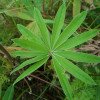
Lupinus polyphyllus (Lindl.)
5 -
Lupinus poopoensis (C.P.Sm.)
-
Lupinus popayanensis (C.P.Sm.)
-
Lupinus potosinus (Rose)
-
Lupinus praealtus (C.P.Sm.)
-
Lupinus praestabilis (C.P.Sm.)
-
Lupinus praetermissus (C.P.Sm.)
-
Lupinus pratensis (A.Heller)
2 -
Lupinus princei (Harms)
-
Lupinus pringlei (Rose)
-
Lupinus proculaustrinus (C.P.Sm.)
-
Lupinus prostratus (J.Agardh)
-
Lupinus protrusus (C.P.Sm.)
-
Lupinus prouvensalanus (C.P.Sm.)
-
Lupinus prunophilus (M.E.Jones)
-
Lupinus pseudopolyphyllus (C.P.Sm.)
-
Lupinus pseudotsugoides (C.P.Sm.)
-
Lupinus pubescens (Benth.)
-
Lupinus pucapucensis (C.P.Sm.)
-
Lupinus pulloviridus (C.P.Sm.)
-
Lupinus pulvinaris (Ulbr.)
-
Lupinus punto-reyesensis (C.P.Sm.)
-
Lupinus puracensis (C.P.Sm.)
-
Lupinus purdieanus (C.P.Sm.)
-
Lupinus pureriae (C.P.Sm.)
-
Lupinus purosericeus (C.P.Sm.)
-
Lupinus pusillus (Pursh)
3 -
Lupinus puyupatensis (C.P.Sm.)
-
Lupinus pycnostachys (C.P.Sm.)
-
Lupinus quellomayus (C.P.Sm.)
-
Lupinus quercuum (C.P.Sm. in Sm.)
-
Lupinus quitensis (C.P.Sm.)
-
Lupinus radiatus (C.P.Sm.)
-
Lupinus ramosissimus (Benth.)
-
Lupinus reflexus (Rose)
-
Lupinus regalis (Bergmans)
-
Lupinus regnellianus (C.P.Sm.)
-
Lupinus reitzii (Burkart ex M.Pinheiro & Miotto)
-
Lupinus revolutus (C.P.Sm.)
-
Lupinus rhodanthus (C.P.Sm.)
-
Lupinus richardianus (C.P.Sm.)
-
Lupinus rivetianus (C.P.Sm.)
-
Lupinus rivularis (Douglas ex Lindl.)
-
Lupinus romasanus (Ulbr.)
-
Lupinus roseolus (Rydb.)
-
Lupinus roseorum (C.P.Sm.)
-
Lupinus rotundiflorus (M.E.Jones)
-
Lupinus rowleeanus (C.P.Sm.)
-
Lupinus rubriflorus (Planchuelo)
-
Lupinus ruizensis (C.P.Sm.)
-
Lupinus rupestris (Kunth)
-
Lupinus rusbyanus (C.P.Sm.)
-
Lupinus russellianus (C.P.Sm.)
-
Lupinus sabineanus (Douglas ex Lindl.)
-
Lupinus sandiensis (C.P.Sm.)
-
Lupinus santanderensis (C.P.Sm.)
-
Lupinus sarmentosus (Desr.)
-
Lupinus saxatilis (Ulbr.)
-
Lupinus saxosus (Howell)
-
Lupinus schumannii (C.P.Sm. in Sm.)
-
Lupinus seifrizianus (C.P.Sm.)
-
Lupinus sellowianus (Harms)
-
Lupinus sellulus (Kellogg)
5 -
Lupinus semiaequus (C.P.Sm.)
-
Lupinus semiprostratus (C.P.Sm.)
-
Lupinus semperflorens (Hartw. ex Benth.)
2 -
Lupinus sericatus (Kellogg)
-
Lupinus sericeolodix (C.P.Sm.)
-
Lupinus sericeus (Pursh)
8 -
Lupinus shockleyi (S.Watson)
-
Lupinus shrevei (C.P.Sm. in Sm.)
-
Lupinus sierrae-blancae (Wooton & Standl.)
-
Lupinus simonsianus (C.P.Sm.)
-
Lupinus simulans (Rose)
-
Lupinus sinaloensis (C.P.Sm.)
-
Lupinus smithianus (Kunth)
-
Lupinus solanagrorum (C.P.Sm.)
-
Lupinus somalensis (Baker f.)
-
Lupinus somaliensis (Baker)
-
Lupinus soratensis (Rusby)
-
Lupinus soukupianus (C.P.Sm. ex J.F.Macbr.)
-
Lupinus sparsiflorus (Benth.)
1 -
Lupinus spectabilis (Hoover)
-
Lupinus splendens (Rose)
-
Lupinus spruceanus (C.P.Sm.)
-
Lupinus staffordiae (C.P.Sm.)
-
Lupinus stipulatus (J.Agardh)
-
Lupinus stiveri (Kellogg)
-
Lupinus stiversii (Kellogg)
-
Lupinus storkianus (C.P.Sm.)
-
Lupinus subcarnosus (Hook.)
-
Lupinus subcuneatus (C.P.Sm.)
-
Lupinus subhamatus (C.P.Sm.)
-
Lupinus subsessilis (Benth.)
-
Lupinus subtomentosus (C.P.Sm.)
-
Lupinus succulentus (Douglas ex K.Koch)
-
Lupinus sufferrugineus (Rusby)
-
Lupinus suksdorfii (Robinson)
-
Lupinus sulphureus (Douglas)
-
Lupinus summersianus (C.P.Sm.)
-
Lupinus surcoensis (C.P.Sm.)
-
Lupinus syriggedes (C.P.Sm.)
-
Lupinus tacitus (C.P.Sm.)
-
Lupinus talahuensis (C.P.Sm.)
-
Lupinus tarapacensis (C.P.Sm.)
-
Lupinus tarijensis (Ulbr.)
-
Lupinus tarmaensis (C.P.Sm.)
-
Lupinus tassilicus (Maire)
-
Lupinus tatei (Rusby)
-
Lupinus taurimortuus (C.P.Sm.)
-
Lupinus tauris (Benth.)
3 -
Lupinus tayacajensis (C.P.Sm.)
-
Lupinus tetracercophorus (C.P.Sm.)
-
Lupinus texensis (Hook.)
-
Lupinus tidestromii (Greene)
2 -
Lupinus tolimensis (C.P.Sm.)
-
Lupinus tomentosus (DC.)
-
Lupinus tominensis (Wedd.)
-
Lupinus toratensis (C.P.Sm.)
-
Lupinus tracyi (Eastw.)
-
Lupinus triananus (C.P.Sm.)
-
Lupinus truncatus (Nutt. ex Hook. & Arn.)
-
Lupinus ulbrichianus (C.P.Sm.)
-
Lupinus uleanus (C.P.Sm.)
-
Lupinus ultramontanus (C.P.Sm.)
-
Lupinus uncialis (S.Watson)
-
Lupinus uncinatus (Schltdl.)
-
Lupinus urcoensis (C.P.Sm.)
-
Lupinus urubambensis (C.P.Sm.)
-
Lupinus valerioi (Standl.)
-
Lupinus vargasianus (C.P.Sm.)
-
Lupinus varicaulis (C.P.Sm.)
-
Lupinus variicolor (Steud.)
-
Lupinus varneranus (C.P.Sm.)
-
Lupinus velillensis (C.P.Sm.)
-
Lupinus velutinus (Benth.)
-
Lupinus venezuelensis (C.P.Sm.)
-
Lupinus ventosus (C.P.Sm.)
-
Lupinus verbasciformis (Sandwith)
-
Lupinus verjonensis (C.P.Sm.)
-
Lupinus vernicius (Rose)
-
Lupinus versicolor (Sweet)
-
Lupinus viduus (C.P.Sm.)
-
Lupinus vilcabambensis (C.P.Sm.)
-
Lupinus villosus (Willd.)
-
Lupinus visoensis (J.F.Macbr.)
-
Lupinus volubilis (C.P.Sm.)
-
Lupinus volutans (Greene)
-
Lupinus weberbaueri (Ulbr.)
2 -
Lupinus werdermannianus (C.P.Sm.)
-
Lupinus westiana (Small)
-
Lupinus westianus (Small)
-
Lupinus wilkesianus (C.P.Sm.)
-
Lupinus williamlobbii (C.P.Sm.)
-
Lupinus williamsianus (C.P.Sm.)
-
Lupinus wyethii (S.Watson)
2 -
Lupinus xanthophyllus (C.P.Sm.)
-
Lupinus xenophytus (C.P.Sm.)
-
Lupinus yanahuancensis (C.P.Sm.)
-
Lupinus yarushensis (C.P.Sm.)
-
Lupinus yaulyensis (C.P.Sm.)
-
Lupinus ynesiae (C.P.Sm.)