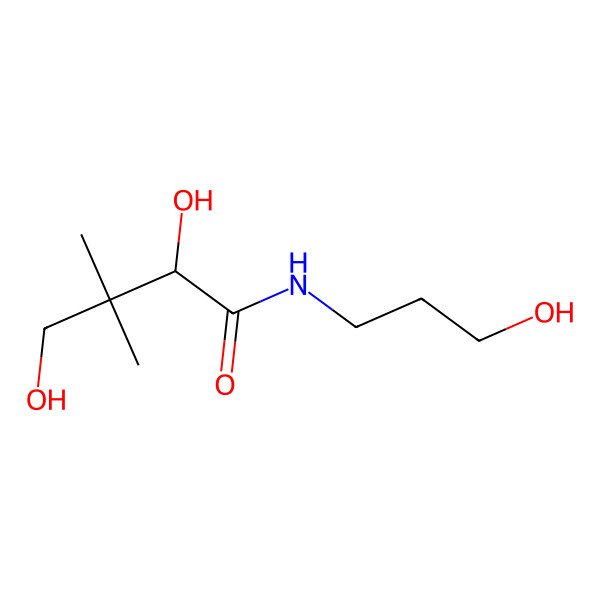
| panthenol |
| 16485-10-2 |
| DL-Pantothenol |
| DL-Pantothenyl alcohol |
| Pantenol |
| Panthenolum |
| Panthenol, racemic |
| Pantenolo |
| WV9CM0O67Z |
| 2,4-Dihydroxy-N-(3-hydroxypropyl)-3,3-dimethylbutyramide |
| NSC-759899 |
| DTXSID3044598 |
| DTXCID1024598 |
| Purple Toner |
| ELF Perm |
| Roota Re F Tonic |
| Roota Re V Tonic |
| Mannitol, Panthenol |
| AAPE Hair Ampoule |
| Eyelash Growth Serum |
| Roota Re F for men |
| Panthenol, Niacinamide |
| BREXTEM H |
| Roota Re V for women |
| RefChem:55808 |
| NGF 574H HAIR |
| Hyaluronic Acid Facial Serum |
| SHINMO SAENGBALEUM HAIR |
| NGF 574H HAIR TONIC |
| SHINMO SAENGBALEUM TREATMENT |
| EH Hair Plus Regeneration Hair Care |
| CURESTEM CELL HEALER C5 PROGRAM |
| ReOrganic Eyelash Growth Boosting Serum |
| CURESTEM CELL HEALER C10 PROGRAM |
| ZHANGGUANG 101 HAIR FOLLICLE TONIC |
| Panthenol, Niacinamide, Menthol, Salicylic Acid |
| Butanamide, 2,4-dihydroxy-N-(3-hydroxypropyl)-3,3-dimethyl- |
| MFCD00002944 |
| 62507-76-0 |
| (+-)-Pantothenyl alcohol |
| DL-Pantothenol;DL-Pantothenyl alcohol |
| Alcool DL-pantotenilico |
| Pantenolo [DCIT] |
| Panthenol , DL-form |
| Pantenol [INN-Spanish] |
| Panthenolum [INN-Latin] |
| component of Zentinic |
| Dexpanthenol [USAN) |
| SMR000857333 |
| Alcool DL-pantotenilico [Italian] |
| SR-05000001760 |
| EINECS 240-540-6 |
| UNII-WV9CM0O67Z |
| d,l- panthenol |
| NCGC00186658-01 |
| pantothenylol alcohol |
| Dexpanthenol Racemate |
| Panthenol [USAN:USP:INN:BAN:JAN] |
| 2,3-dimethylbutyramide |
| DL-Panthenol, 99% |
| Panthenol (USP/INN) |
| PANTHENOL [INN] |
| PANTHENOL, DL- |
| PANTHENOL [USAN] |
| (+-)-2,4-Dihydroxy-N-(3-hydroxypropyl)-3,3-dimethylbutyramide |
| PANTHENOL [VANDF] |
| PANTHENOL [MART.] |
| Butanamide, 2,4-dihydroxy-N-(3-hydroxypropyl)-3,3-dimethyl-, (+)- (9CI) |
| EC 240-540-6 |
| DL-PANTHENOL [FCC] |
| PANTHENOL [WHO-DD] |
| SCHEMBL15567 |
| DL-PANTHENOL [VANDF] |
| MLS001336015 |
| MLS001336016 |
| (R)-(+)-2,4-Dihydroxy-N-(3-hydroxypropyl)-3,3-dimethylbutyramide |
| orb1308759 |
| CHEMBL1371937 |
| D-(+)-2,3-dimethylbutyramide |
| PANTHENOL [USP MONOGRAPH] |
| 2,4-dihydroxy-N-(3-hydroxypropyl)-3,3-dimethyl-butanamide |
| HMS2093B14 |
| HMS2234M16 |
| HMS3371M11 |
| HMS5083J13 |
| HMS5083O16 |
| Pharmakon1600-01505420 |
| Pharmakon1600-01505656 |
| (+/-)-PANTOTHENYL ALCOHOL |
| HY-B1024 |
| MSK28214 |
| PANTHENOL, RACEMIC [USP-RS] |
| Tox21_302660 |
| Butanamide, 2,4-dihydroxy-N-(3-hydroxypropyl)-3,3-dimethyl-, (+-)- |
| Butyramide, 2,4-dihydroxy-N-(3-hydroxypropyl)-3,3-dimethyl-, DL- |
| NSC759127 |
| NSC759899 |
| s4566 |
| STL453540 |
| AKOS015841508 |
| Butanamide, 2,4-dihydroxy-N-(3-hydroxypropyl)-3,3-dimethyl-, (+/-)- |
| CCG-213502 |
| CS-4541 |
| NSC 759899 |
| NSC-759127 |
| SB44496 |
| NCGC00256864-01 |
| AS-56363 |
| DA-09547 |
| FD170517 |
| SBI-0206818.P001 |
| CAS-16485-10-2 |
| DB-056494 |
| NS00000985 |
| P1318 |
| D03726 |
| H11256 |
| AB00918367_05 |
| F225733 |
| Q196473 |
| SR-05000001760-1 |
| SR-05000001760-3 |
| 3-(2,4-Dihydroxy-3,3-dimethylbutyramido)-1-propanol |
| BRD-A59413292-001-04-1 |
| BRD-A59413292-001-08-2 |
| Butanamide,4-dihydroxy-N-(3-hydroxypropyl)-3,3-dimethyl- |
| (+/-)-2,4-Dihydroxy-3,3-dimethylbutyric 3-hydroxypropylamide |
| D-2,4-Dihydroxy-3,3-dimethyl-N-(3-hydroxypropyl)butyramide |
| (+/-)-2,4-dihydroxy-n-(3-hydroxypropyl)-3,3-dimethylbutyramide |
| Butanamide,4-dihydroxy-N-(3-hydroxypropyl)-3,3-dimethyl-, (R)- |
| Butyramide,4-dihydroxy-N-(3-hydroxypropyl)-3,3-dimethyl-, D-(+)- |
| Panthenol, racemic, United States Pharmacopeia (USP) Reference Standard |
| (+/-)-alpha,gamma-Dihydroxy-N-(3-hydroxypropyl)-beta,beta-dimethylbutyramide |
| BUTYRAMIDE, .ALPHA.,.GAMMA.-DIHYDROXY-N-(3-HYDROXYPROPYL)-.BETA.,.BETA.-DIMETHYL- |
| BUTYRAMIDE, 2,4-DIHYDROXY-N-(3-HYDROXYPROPYL)-3,3-DIMETHYL-, (+/-)- |
|
There are more than 10 synonyms. If you wish to see them all click here.
|